Introduction to Magnetic Proximity Sensors
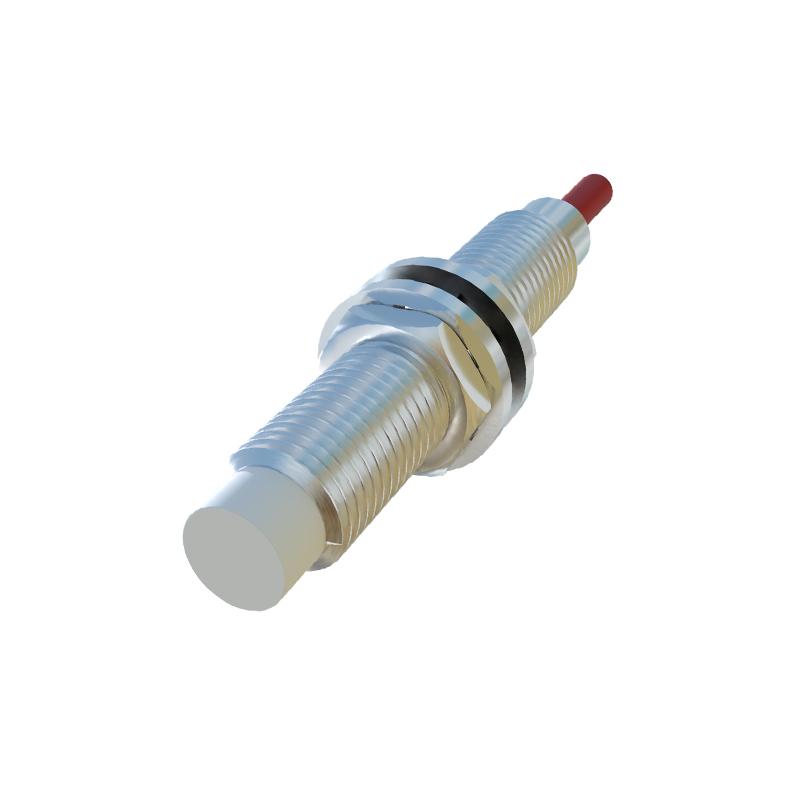
Magnetic proximity sensors are non-contact devices that detect the presence or absence of a magnetic field, typically generated by a permanent magnet. They operate based on the Hall effect or magnetoresistive principles, converting magnetic signals into electrical outputs. These sensors are widely valued in industrial and automotive applications for their reliability, durability, and ability to function in harsh environments. Unlike optical or inductive sensors, they are unaffected by dust, moisture, or non-magnetic materials, making them ideal for challenging conditions. Their simplicity in design allows for easy integration into various systems, from simple switches to complex automation networks.
Key Applications in Industrial Automation
In industrial settings, magnetic proximity sensors play a crucial role in enhancing efficiency and safety. They are commonly used for position detection in machinery, such as confirming the open or closed status of valves, doors, or robotic arms. For instance, in conveyor systems, these sensors monitor the movement of objects equipped with magnets, ensuring precise timing and coordination. They also serve as limit switches in CNC machines, preventing overtravel and damage. Their non-contact nature reduces wear and tear, leading to lower maintenance costs and increased uptime. Additionally, in hazardous areas with explosive atmospheres, their spark-free operation minimizes risks.
Role in Automotive Systems
The automotive industry relies heavily on magnetic proximity sensors for various critical functions. They are integral to anti-lock braking systems (ABS), where they detect wheel speed by sensing magnetic encoders, enabling real-time traction control. In electric power steering, these sensors provide feedback on steering angle and torque, enhancing driver safety and comfort. They also monitor gear position in transmissions, ensuring smooth shifting and preventing mechanical failures. With the rise of electric vehicles, magnetic sensors are used in battery management systems to detect current flow and position in motors. Their robustness against temperature fluctuations and vibrations makes them suitable for demanding automotive environments.
Advantages Over Other Sensor Types
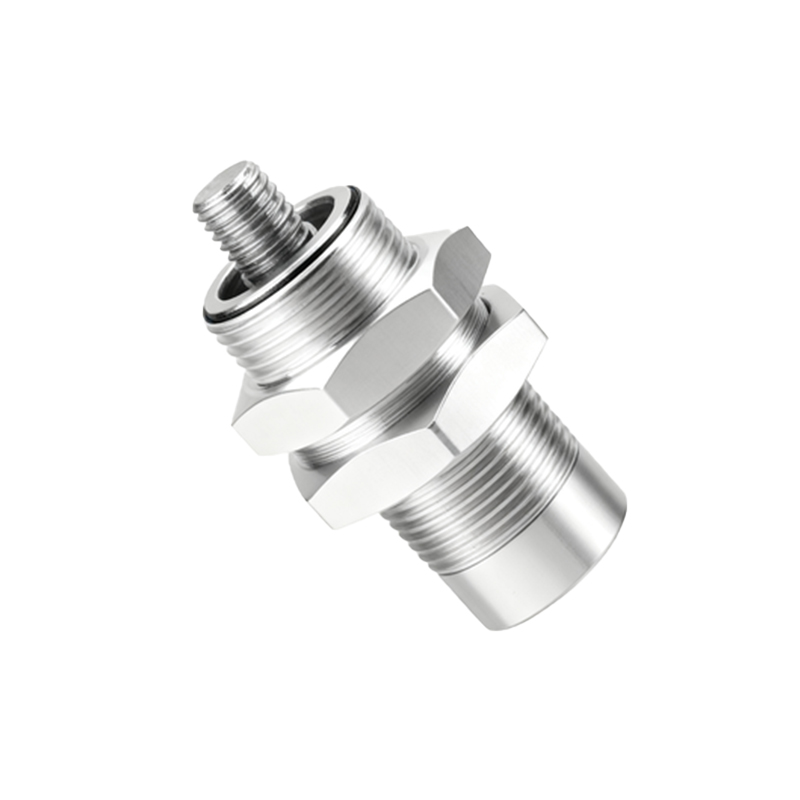
Magnetic proximity sensors offer distinct benefits compared to alternatives like inductive or capacitive sensors. Their immunity to environmental factors such as dirt, oil, and water allows for reliable operation in outdoor or dirty settings, such as agricultural equipment or mining machinery. They can detect through non-magnetic barriers like plastic or aluminum, enabling sealed installations that protect against contamination. Furthermore, they provide consistent performance over long distances, with some models detecting magnets from several centimeters away. Energy efficiency is another plus, as many models consume low power, making them ideal for battery-powered devices. Their long lifespan, often exceeding millions of cycles, reduces replacement needs.
Selection and Installation Considerations
Choosing the right magnetic proximity sensor involves evaluating factors like sensing range, output type (e.g., digital or analog), and environmental ratings. For high-precision tasks, Hall-effect sensors with analog outputs may be preferred, while digital versions suit simple on/off applications. Installation requires aligning the sensor with the magnet accurately, as misalignment can affect sensitivity. Shielding from stray magnetic fields is essential to prevent false triggers, especially in crowded electrical setups. Users should also consider housing materials—stainless steel or rugged polymers are common for corrosion resistance. Regular testing with a magnet during maintenance ensures ongoing functionality, and integrating them with PLCs or microcontrollers allows for seamless automation control.
Future Trends and Innovations
As technology advances, magnetic proximity sensors are evolving with smarter features and broader applications. The integration of IoT capabilities enables remote monitoring and predictive maintenance, where sensors transmit data to cloud platforms for analysis. Miniaturization is making them suitable for compact devices like wearables or medical instruments. Enhanced sensitivity versions are emerging for low-magnetic-field detection, useful in scientific research or security systems. In renewable energy, they contribute to wind turbine pitch control or solar panel positioning. With the growth of Industry 4.0, these sensors will increasingly support autonomous systems, driving innovation in robotics and smart manufacturing. Their versatility ensures they remain a cornerstone of modern engineering solutions.