Introduction to Proximity Switch Sensors
Proximity switch sensors, often simply called proximity sensors, are non-contact electronic devices designed to detect the presence or absence of an object within a specific sensing range without any physical contact. These sensors have become indispensable in modern industrial automation, robotics, and machinery control systems. They operate by emitting an electromagnetic field or a beam of electromagnetic radiation and then looking for changes in the field or return signal. The primary advantage of this technology is its reliability and longevity, as the absence of mechanical contact eliminates wear and tear. This makes them ideal for harsh environments where dust, oil, or moisture is present, and where frequent operation would quickly degrade mechanical limit switches. Their ability to detect metallic and, in some cases, non-metallic objects with high precision and speed has revolutionized automated processes.
Core Operating Principles and Types
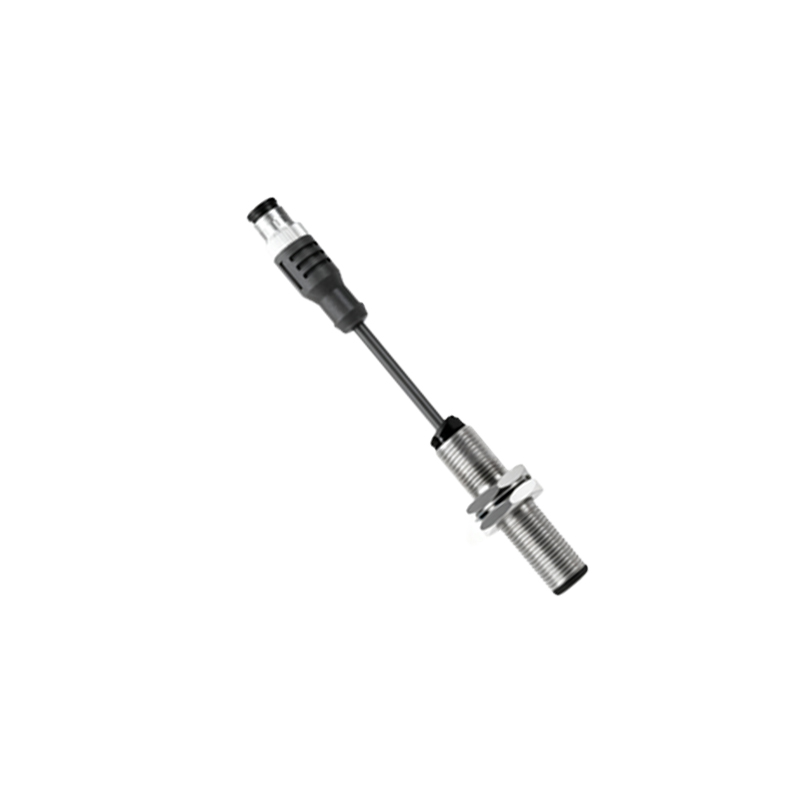
The functionality of proximity sensors is based on several distinct physical principles, leading to different types suited for various applications. Inductive proximity sensors are the most common type for detecting metallic objects. They generate an oscillating electromagnetic field. When a metallic target enters this field, eddy currents are induced in the target, which causes a change in the amplitude of oscillation. This change is detected by the sensor's circuitry, triggering a solid-state output switch. Capacitive proximity sensors can detect both metallic and non-metallic materials like plastic, wood, or liquids. They work by generating an electrostatic field. The presence of any material with a dielectric constant different from air alters the capacitance of the circuit, triggering detection. Photoelectric sensors use a light beam, typically infrared or laser, to detect objects. Ultrasonic sensors employ sound waves beyond human hearing. Each type offers unique benefits in terms of sensing distance, material compatibility, and environmental robustness.
Key Specifications and Selection Criteria
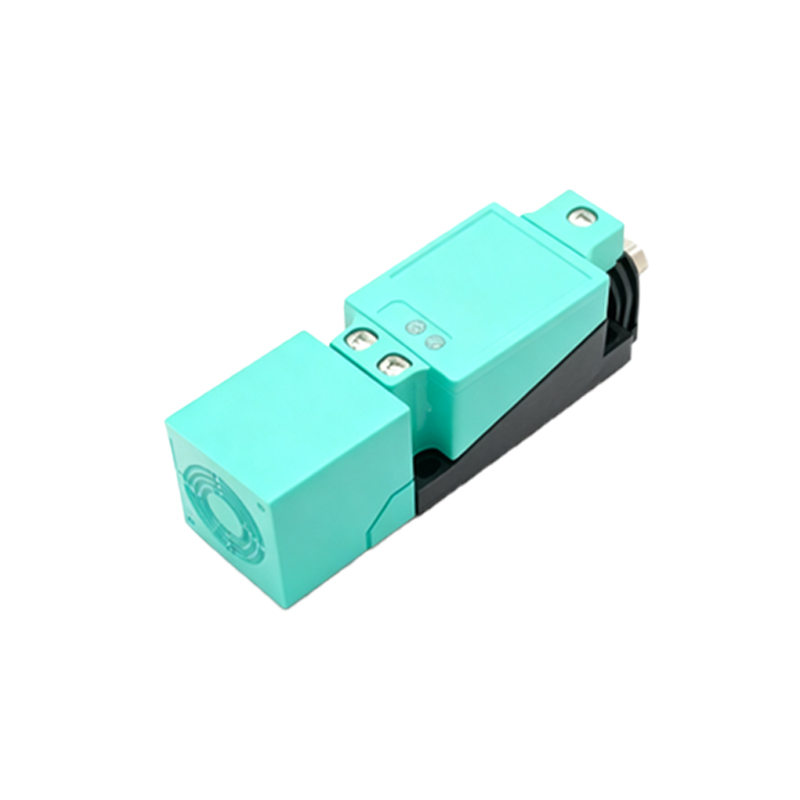
Selecting the correct proximity sensor requires careful consideration of several technical specifications. The sensing distance, or nominal range, is the maximum distance at which the sensor can reliably detect a standard target. Engineers must account for factors like target material, size, and shape, as these can affect the effective sensing distance. The housing material, typically nickel-plated brass, stainless steel, or PBT plastic, must be chosen based on the environmental conditions, including exposure to chemicals, temperature extremes, and physical impact. Output configuration is critical; sensors provide either a digital PNP (sourcing) or NPN (sinking) DC output, or an analog current/voltage output proportional to distance. Other vital parameters include response time, switching frequency, degree of protection (IP rating), and whether the unit is shielded (flush-mountable) or unshielded (non-flush). A shielded sensor has a reduced sensing range but can be installed flush with metal without affecting its operation.
Installation, Wiring, and Configuration
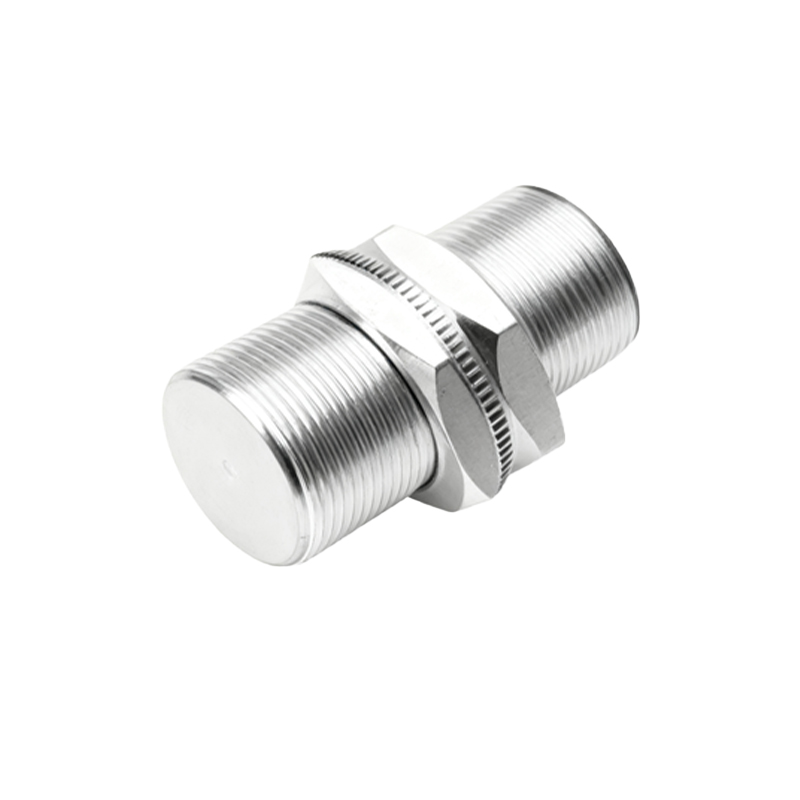
Proper installation is paramount for optimal sensor performance. Mounting must be secure and vibration-resistant. For inductive sensors, it is crucial to maintain adequate clearance from other metal objects and sensors to prevent mutual interference. The wiring must follow the manufacturer's diagram precisely, connecting the brown wire (typically +V), blue wire (0V or common), and black wire (load/output) correctly to the PLC or control system. Many modern sensors feature LED indicators for power and output status, aiding in setup and troubleshooting. Configuration might involve setting sensitivity thresholds or teaching-in the sensing distance, especially for analog or programmable models. Environmental factors such as extreme temperatures, strong magnetic fields, or conductive dust can impair function, so protective measures like enclosures or proper sensor selection are necessary.
Common Applications in Industrial Automation
The applications for proximity switch sensors are vast and critical across industries. In automotive manufacturing, they are used for part presence verification on assembly lines, counting components, and controlling robotic arm end positions. In packaging machinery, they detect fill levels, count products on conveyors, and verify cap placement. Within material handling, they provide position feedback for automated guided vehicles (AGVs) and detect the open/closed status of doors or hatches. Machine tools utilize them for tool position detection, spindle orientation, and workpiece clamping confirmation. Their role in safety systems, such as detecting if a safety guard is in place before machine start-up, is of paramount importance. The high-speed, non-contact nature of these sensors enables the high efficiency and precision demanded by modern Industry 4.0 and smart factory initiatives.
Troubleshooting and Maintenance Best Practices
While proximity sensors are robust, they can experience issues. Common problems include failure to detect objects, erratic switching, or no output signal. Troubleshooting should begin with checking the power supply voltage and polarity. Verify the sensing distance and ensure the target object is within range and of the correct material and size