Introduction to the PS117D Photoelectric Sensor
The PS117D photoelectric sensor represents a significant advancement in industrial automation and control systems. Designed for reliability and precision, this sensor utilizes advanced photoelectric technology to detect the presence, absence, or distance of objects without physical contact. Its robust construction ensures consistent performance in demanding environments, making it a preferred choice for engineers across various sectors, including packaging, material handling, and automotive assembly. The core principle involves emitting a light beam—typically infrared, visible red, or laser—and analyzing the reflected signal to determine object characteristics. This non-contact method minimizes wear and tear, reduces maintenance costs, and enhances operational efficiency in automated production lines.
Key Technical Specifications and Features
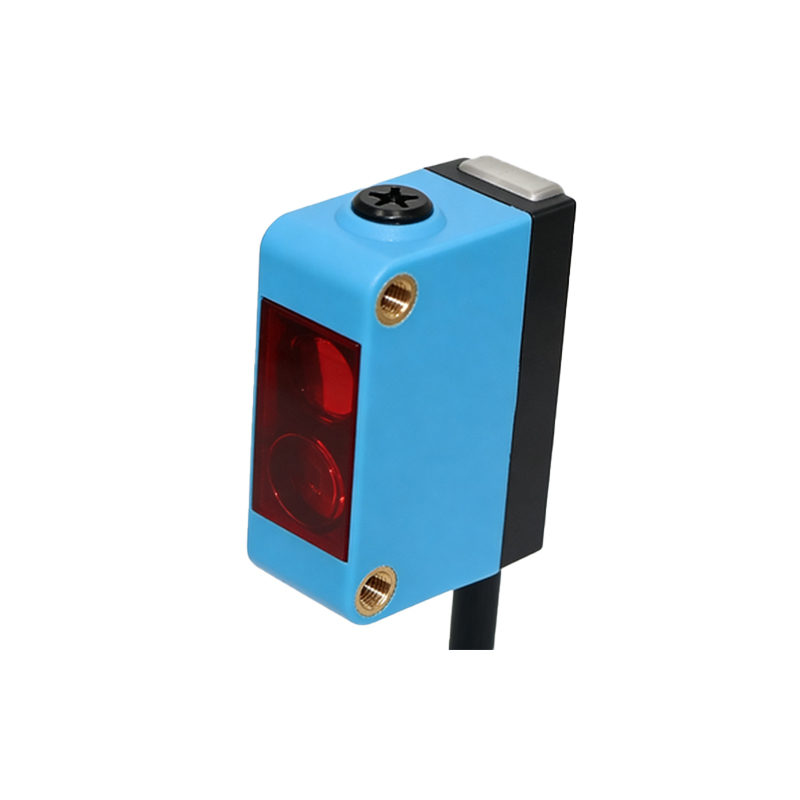
The PS117D is engineered with a focus on high performance and versatility. It offers a sensing range of up to 2 meters, with adjustable sensitivity to accommodate different object sizes and surface properties. The sensor operates on a standard voltage range of 10-30V DC, ensuring compatibility with most industrial power systems. Key features include a fast response time of less than 1 millisecond, enabling real-time detection in high-speed applications. It is equipped with both light-on and dark-on output modes, providing flexibility in circuit design. The housing is rated IP67 for dust and water resistance, allowing deployment in harsh conditions. Additionally, built-in diagnostics, such as stability indicators and teach-in functionality, simplify installation and troubleshooting processes.
Operating Principles and Sensing Modes
Understanding the operating modes of the PS117D is crucial for optimal application. The sensor primarily functions in three configurations: through-beam, retro-reflective, and diffuse reflective. In through-beam mode, a separate emitter and receiver are aligned; an object interrupting the beam triggers detection, offering long-range and high-accuracy sensing. Retro-reflective mode uses a single unit with a reflector, where the beam bounces back to the receiver, suitable for medium-range tasks. Diffuse reflective mode relies on the object itself to reflect light, ideal for short-range detection and varied surface types. The PS117D incorporates background suppression technology in diffuse models, which ignores distant objects or backgrounds, reducing false triggers and improving reliability in complex setups.
Installation and Calibration Best Practices
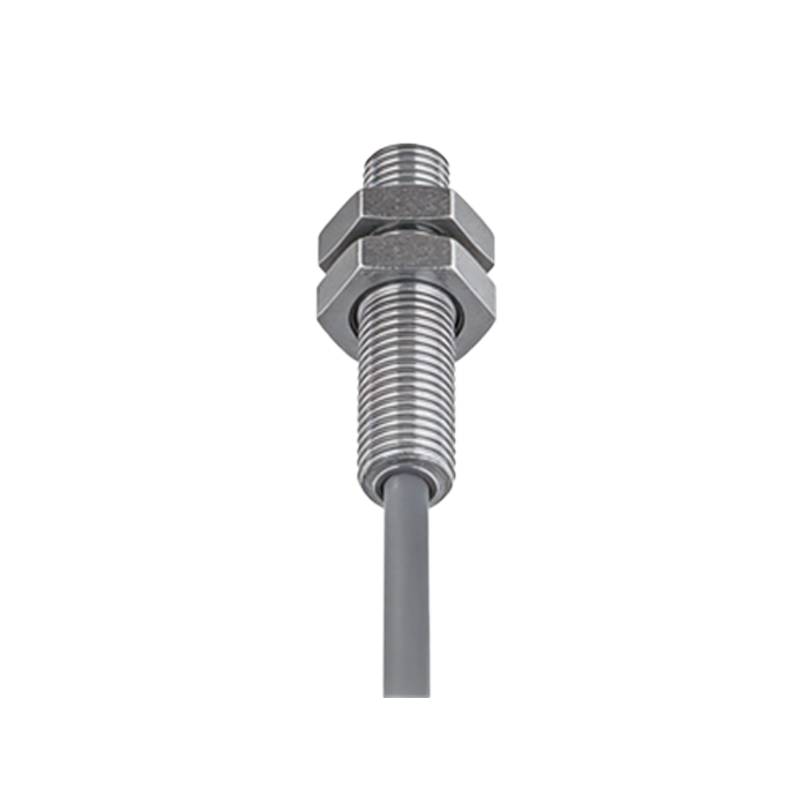
Proper installation is essential to maximize the PS117D's capabilities. Mount the sensor securely on a stable surface, avoiding vibrations that could affect alignment. Ensure the sensing path is free from obstructions like dust, steam, or ambient light interference, which may cause erratic behavior. For through-beam systems, align the emitter and receiver precisely using alignment tools or indicators. Calibration involves adjusting the sensitivity potentiometer or using the teach-in button to set the detection threshold based on the target object. Regular maintenance checks, such as cleaning lenses and verifying electrical connections, help sustain long-term performance. Following manufacturer guidelines for environmental limits, including temperature and humidity ranges, prevents premature failure.
Common Applications in Industrial Automation
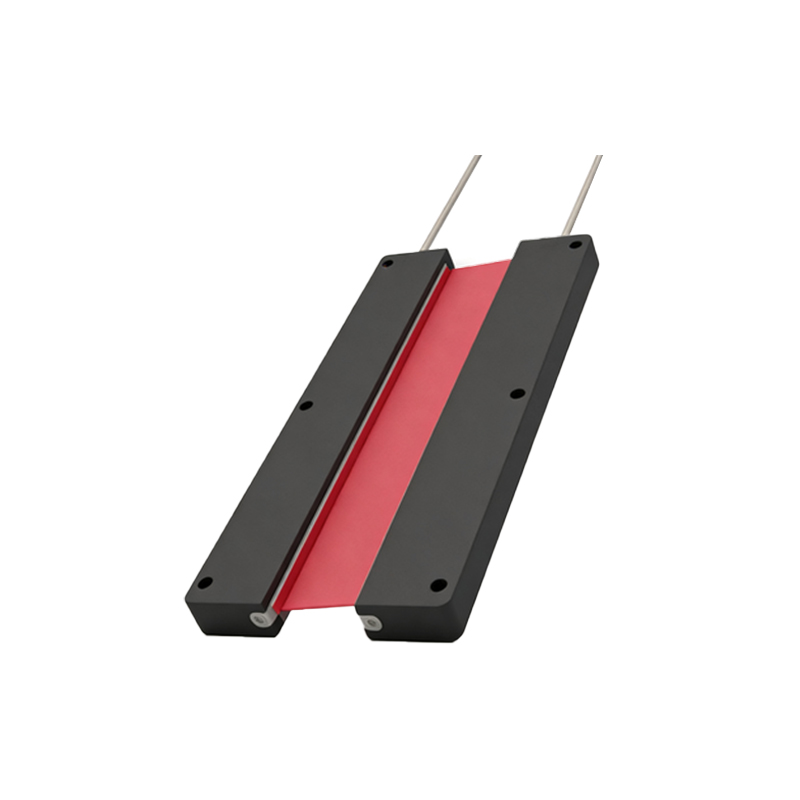
The PS117D finds extensive use in diverse industrial scenarios due to its adaptability. In conveyor systems, it detects product presence for counting, sorting, or positioning tasks. In packaging machinery, it ensures correct label placement or verifies container fill levels. Automotive plants employ it for part verification in assembly lines, while in logistics, it aids in warehouse automation by monitoring pallet movement. The sensor's high-speed response makes it suitable for robotics, where precise object detection coordinates robotic arm movements. Furthermore, its rugged design allows operation in agricultural equipment for grain level sensing or in pharmaceutical cleanrooms for sterile packaging checks, demonstrating broad utility across sectors.
Troubleshooting and Maintenance Guidelines
Even with robust design, issues may arise requiring systematic troubleshooting. If the PS117D fails to detect objects, first check power supply stability and wiring connections. Verify that the sensing mode matches the application; for example, a diffuse sensor might not work well with dark, non-reflective surfaces. Use the built-in LED indicators to diagnose status: a steady light often signifies proper operation, while blinking may indicate misalignment or contamination. Clean the lens with a soft cloth to remove debris, and ensure the sensing range is within specified limits. For persistent problems, consult the manual for error codes or reset the sensor to factory settings. Preventive maintenance, including periodic inspections and environmental monitoring, reduces downtime and extends sensor lifespan.
Advantages Over Alternative Sensor Technologies
Compared to other sensors like inductive or capacitive types, the PS117D offers distinct benefits. Photoelectric sensors can detect non-metallic objects, such as plastic, glass, or liquids, broadening application scope. They provide longer sensing distances and higher accuracy than many proximity sensors. The non-contact nature eliminates mechanical stress, leading to lower maintenance compared to limit switches. While ultrasonic sensors are effective in dusty environments, the PS117D delivers faster response times and better resolution for small objects. Its compact size and easy integration with PLCs (Programmable Logic Controllers) via digital outputs make it a cost-effective solution for modern automation, balancing performance with affordability in competitive industrial markets.
Future Trends and Industry Outlook
The evolution of photoelectric sensors like the PS117D is aligned with Industry 4.0 trends. Future iterations may incorporate IoT (Internet of Things) connectivity for remote monitoring and predictive maintenance, transmitting data to central systems for analytics. Enhanced smart features, such as automatic calibration and adaptive sensing algorithms, could further reduce setup time. Advances in laser technology may extend ranges and improve precision for micro-detection tasks. As industries emphasize energy efficiency, low-power variants of the PS117D might emerge, supporting sustainable operations. Overall, the demand for reliable, versatile sensors will grow with automation expansion, solidifying the PS117D's role in smart factories and beyond, driving innovation in detection solutions.