Introduction to Proximity Switch Sensors in Hydraulic Systems
Proximity switch sensors are critical components in modern hydraulic systems, particularly in pump trucks where precise control of the main oil cylinder is essential. These non-contact sensors detect the presence or absence of a target object, such as a piston or cylinder rod, without physical interaction. In pump truck applications, they are typically installed near the cylinder's stroke endpoints to monitor position and trigger automated actions, like reversing direction or initiating safety protocols. Their reliability ensures smooth operation, reduces mechanical wear, and enhances overall system efficiency. By providing real-time feedback, proximity switches contribute to the accurate and safe functioning of hydraulic machinery in demanding construction environments.
Types of Proximity Sensors Used in Pump Trucks
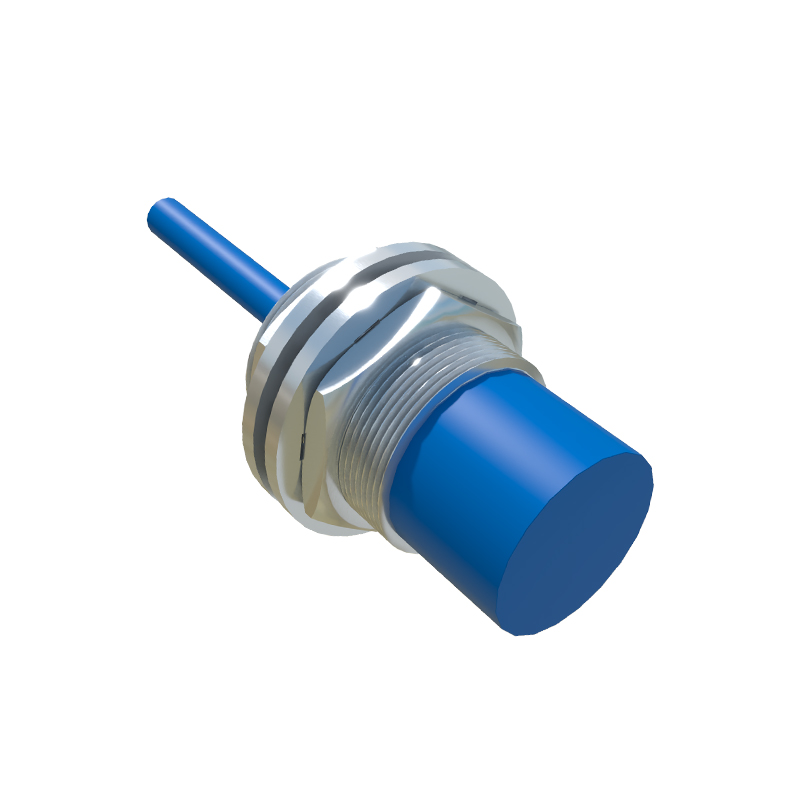
Several types of proximity sensors are employed in pump truck main oil cylinders, each with distinct advantages. Inductive proximity sensors are common for detecting metallic targets, such as steel pistons, using electromagnetic fields. They are robust, resistant to dirt and moisture, and suitable for harsh industrial settings. Capacitive sensors can detect both metallic and non-metallic materials, making them versatile for varied cylinder designs. Magnetic proximity sensors, often used with hydraulic cylinders, rely on magnetic fields from embedded magnets in the piston, offering high precision in stroke measurement. The choice depends on factors like target material, environmental conditions, and required sensing range, typically ranging from a few millimeters to several centimeters.
Installation and Calibration Best Practices
Proper installation and calibration are vital for optimal sensor performance. Sensors should be mounted securely on the cylinder housing or adjacent structures, aligned with the target path to avoid misalignment. For inductive sensors, maintaining a consistent gap between the sensor and target is crucial; excessive distance can cause false readings, while too close proximity may lead to physical damage. Calibration involves setting the sensing range and adjusting sensitivity thresholds to match the cylinder's stroke limits. Regular testing under operational conditions ensures accurate detection. Additionally, using shielded cables and proper grounding minimizes electromagnetic interference, which is common in pump trucks with multiple electrical components.
Common Challenges and Troubleshooting Tips
Proximity switch sensors in pump trucks face challenges like vibration, temperature extremes, and contamination from hydraulic oil or debris. Vibration can loosen mounts or cause sensor drift, requiring periodic inspections and torque checks. High temperatures near the cylinder may affect sensor electronics, necessitating heat-resistant models or cooling measures. Contamination can obscure sensing surfaces, leading to failure; selecting sensors with high IP ratings (e.g., IP67) for dust and water resistance mitigates this. Troubleshooting often involves checking power supply, wiring connections, and output signals. If a sensor fails to detect, verify target alignment and clean the sensing face. Logging error codes from the pump truck's control system aids in diagnosing intermittent issues.
Maintenance and Longevity Considerations
Routine maintenance extends sensor lifespan and prevents downtime. Inspect sensors during scheduled pump truck maintenance for signs of wear, corrosion, or physical damage. Clean sensing surfaces with non-abrasive materials to remove oil buildup or dirt. Test functionality by manually triggering the sensor and monitoring control system responses. Replace sensors proactively if they show degradation, as failure during operation can disrupt cylinder control and pose safety risks. Using high-quality sensors from reputable manufacturers ensures durability and compatibility with pump truck specifications. Documenting maintenance activities helps track performance trends and plan replacements before critical failures occur.
Future Trends in Sensor Technology
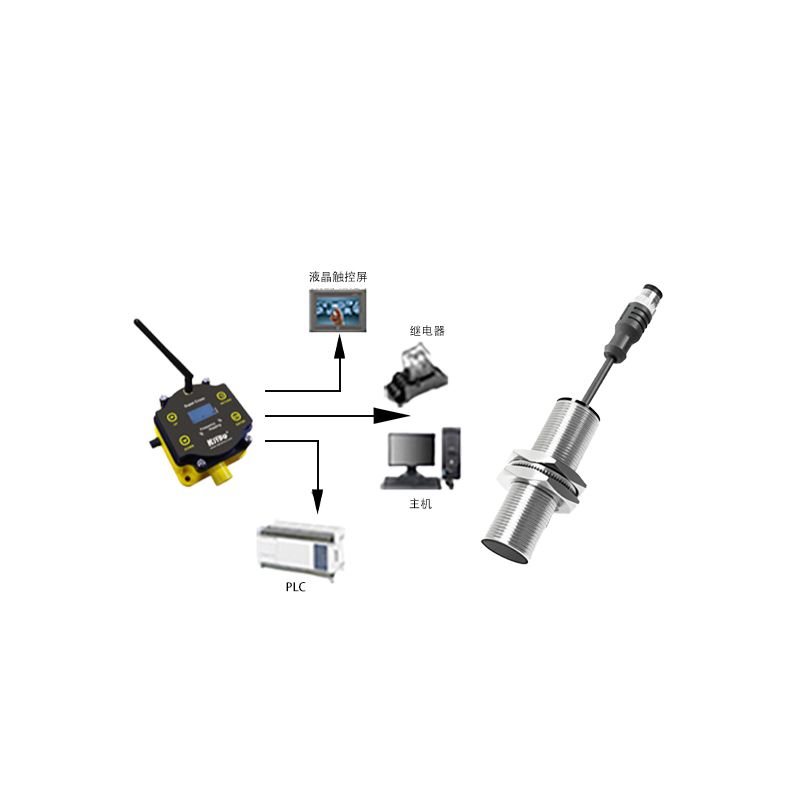
Advancements in proximity sensor technology are enhancing pump truck efficiency and intelligence. Smart sensors with integrated diagnostics can communicate real-time health data to control systems, enabling predictive maintenance and reducing unplanned outages. Wireless sensors eliminate wiring complexities, simplifying installation in compact cylinder spaces. Improved materials and designs are increasing resistance to extreme pressures and temperatures common in hydraulic applications. As pump trucks evolve toward automation and IoT integration, sensors will play a key role in data collection for optimizing cylinder performance and energy usage. Staying updated with these trends allows engineers to implement cutting-edge solutions for reliable and sustainable operations.