In the realm of industrial automation and smart device interfaces, proximity sensing technology is fundamental. Among the various sensing methodologies, capacitive proximity sensors have carved out a significant niche due to their unique ability to detect both metallic and non-metallic objects. A specific and increasingly popular variant within this category is the square capacitive proximity sensor. Unlike their cylindrical counterparts, these sensors offer distinct advantages in mounting, sensing field shape, and integration into modern equipment designs.
The core operating principle of a square capacitive proximity sensor is based on changes in capacitance. The sensor essentially forms one plate of a capacitor, with the target object acting as the other plate. The sensor's electronics generate an oscillating electromagnetic field from its active face. When an object enters this field, it alters the dielectric properties between the plates, causing a measurable change in the circuit's capacitance. Once this change exceeds a predefined threshold, the sensor's output state switches, signaling the presence of the object. This mechanism allows for the detection of a wide range of materials, including plastics, glass, wood, liquids, and of course, metals, provided they have a sufficient dielectric constant or conductivity.
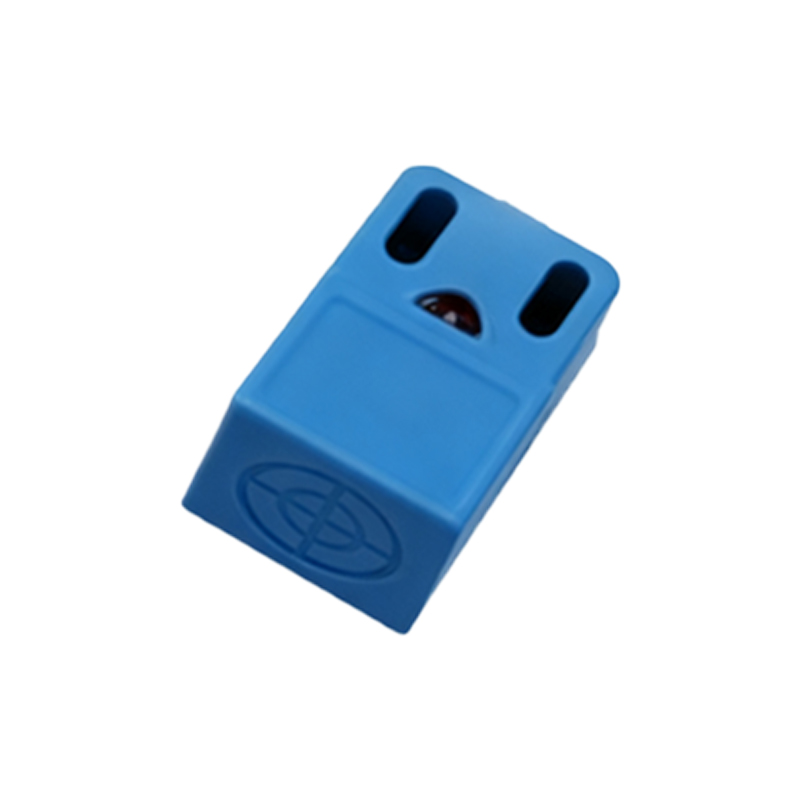
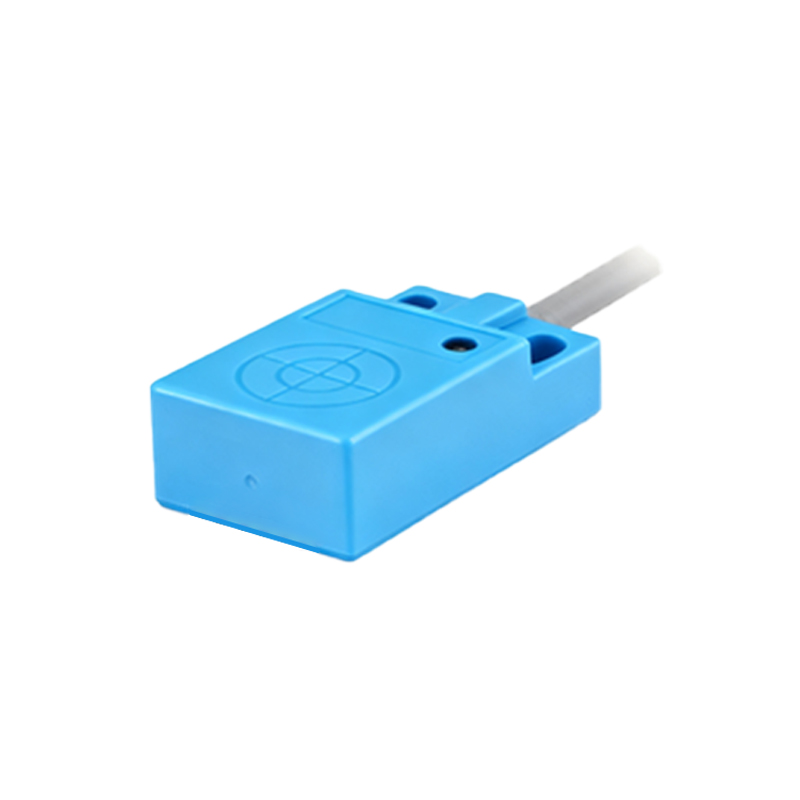
The square form factor is a key differentiator. This shape provides a larger, more uniform sensing area across the front face compared to a cylindrical sensor of similar size. The flat, planar active surface is ideal for applications requiring flush mounting into panels, walls, or machinery frames, creating a seamless and protected installation. The sensing field typically projects straight out from this flat face, which can be advantageous for precise positioning tasks. Furthermore, the square housing often allows for easier wiring and connector access, especially in tight cabinet spaces where multiple sensors are deployed.
Applications for square capacitive proximity sensors are diverse and span numerous industries. In packaging and bottling lines, they reliably detect the presence of plastic or glass containers filled with liquids or powders, regardless of color or transparency. In woodworking and furniture manufacturing, they can sense wood panels, composite boards, or adhesive layers without physical contact. A critical application is in liquid level detection within non-metallic tanks (e.g., PVC, fiberglass), where they can sense the liquid through the tank wall, enabling non-invasive monitoring. In consumer electronics and appliance control panels, they form the basis of sleek, button-less touch interfaces. Their immunity to ambient light and ability to sense through thin non-metallic materials (like glass or plastic covers) make them exceptionally versatile.
Selecting the right square capacitive proximity sensor requires careful consideration of several parameters. First is the sensing distance, typically specified for a standard target (often metal). It's crucial to note that the effective sensing range for non-conductive materials like plastic or paper will be significantly shorter due to their lower dielectric constant. The second key factor is the housing material and protection rating (IP or NEMA). Sensors used in washdown environments in food & beverage processing require high IP ratings (e.g., IP67, IP69K) and stainless steel or FDA-approved plastic housings. Output type is another decision point: PNP (sourcing) or NPN (sinking) transistor outputs are standard, with some models offering analog (4-20mA, 0-10V) or IO-Link digital communication outputs for advanced diagnostics and parameter setting. Finally, the response frequency and built-in features like sensitivity adjustment potentiometers or temperature compensation must align with the application's speed and environmental stability needs.
Installation and setup are generally straightforward but demand attention to detail. For optimal performance, the sensor should be mounted flush and securely. It is vital to ensure that no conductive material other than the target is within the sensing field, as this can cause false triggering. Most sensors feature a sensitivity adjustment screw or teach-in button. The sensitivity should be calibrated with the actual target material at the desired detection distance, set just above the trigger point to ensure reliability while avoiding interference from background objects. Understanding the sensor's inherent hysteresis—the difference between the switch-on and switch-off points—is important for stable operation in applications with vibrating or slowly moving targets.
In summary, the square capacitive proximity sensor is a robust and flexible solution for modern detection challenges. Its ability to sense a vast array of materials through non-metallic barriers, combined with the practical benefits of a square housing for easy integration, makes it an indispensable component in automated systems. By carefully matching the sensor's specifications—such as form factor, sensing range, output type, and environmental protection—to the specific application requirements, engineers and designers can achieve highly reliable, maintenance-free object detection and process control.