Defining the Fundamental Roles
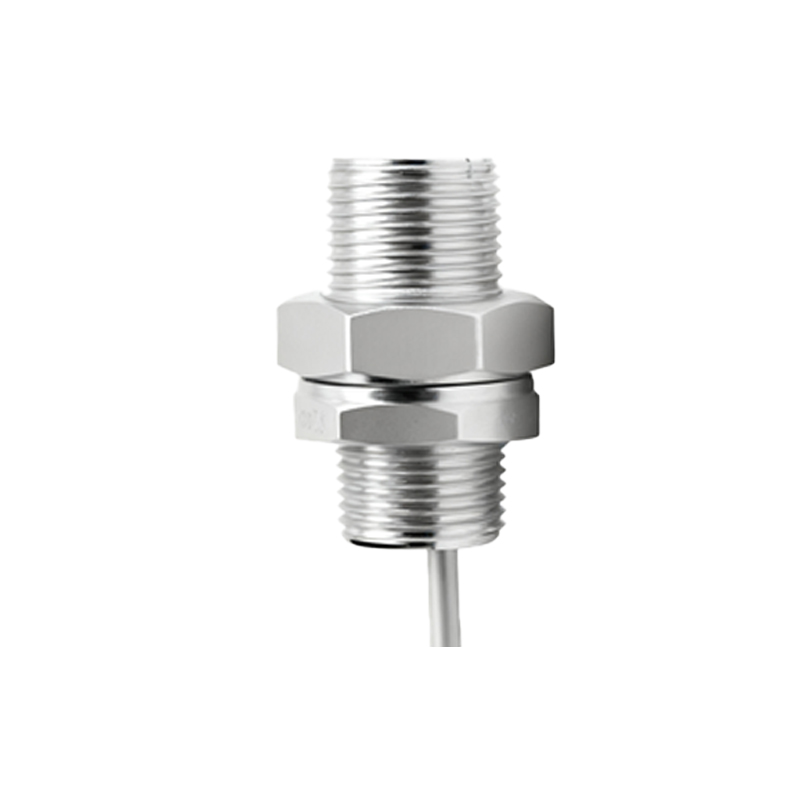
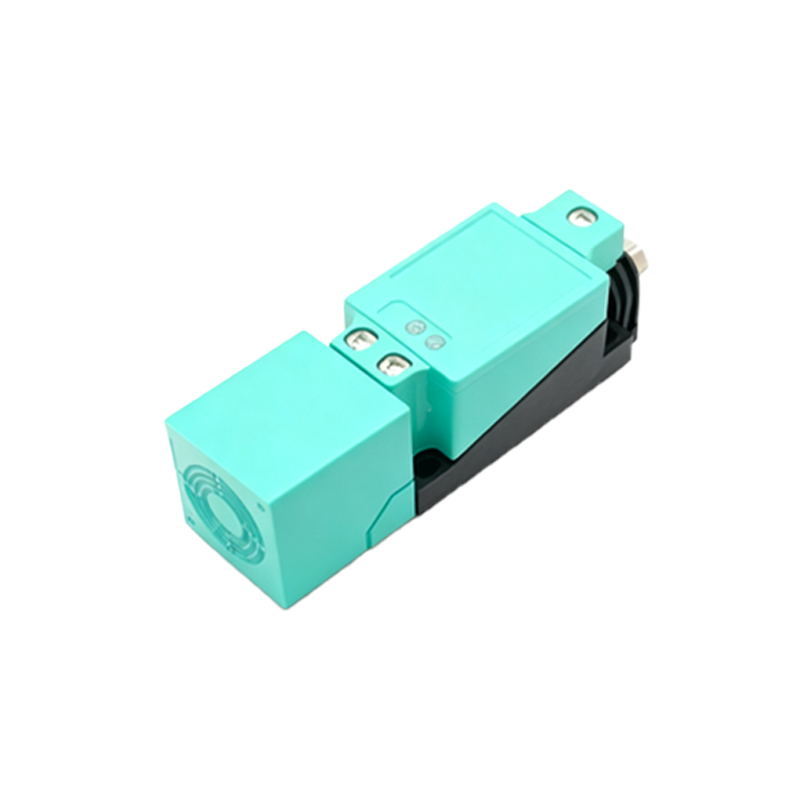
In the architecture of modern electrical and automated systems, two primary components are indispensable: sensors and actuators. A sensor is a device that detects and measures a physical property from the environment, such as temperature, pressure, light, or motion, and converts it into an electrical signal. This signal serves as data input for control systems. Conversely, an actuator is a component responsible for moving or controlling a mechanism. It receives an electrical signal from a control system and translates it into physical action, such as opening a valve, rotating a motor, or adjusting a position. While both are critical, their functions are distinctly opposite—one gathers information, and the other executes commands.
Proximity in the Control Loop
To determine which is "closer" to the core of a system, we must examine the control loop, a fundamental concept in automation. The loop typically consists of four stages: sensing, processing, decision-making, and actuation. Sensors initiate this cycle by providing real-time data, acting as the eyes and ears of the system. This data is then processed by a controller, which analyzes it and decides on necessary actions. Finally, actuators carry out these decisions, directly influencing the physical world. In this sequence, sensors are the starting point, making them closer to the environmental interface, while actuators are the endpoint, closer to the mechanical output. However, in terms of system dependency, both are equally vital; a failure in either disrupts the entire loop.
Technological Evolution and Integration
Advancements in technology have blurred the lines between sensors and actuators, leading to the development of integrated devices known as "transducers" or "smart components." For instance, a piezoelectric element can function as both a sensor (detecting vibration) and an actuator (generating motion). In modern Internet of Things (IoT) and Industry 4.0 applications, sensors are increasingly embedded with microprocessors, enabling edge computing where data is processed locally. This integration brings sensors closer to decision-making, reducing latency. Simultaneously, actuators are becoming more intelligent with feedback mechanisms, allowing them to adjust actions based on sensor-like inputs. Thus, the convergence of these technologies suggests they are growing closer in functionality and importance.
Impact on System Design and Efficiency
The choice between prioritizing sensors or actuators in system design depends on the application. In safety-critical systems like autonomous vehicles, sensors (e.g., LiDAR, cameras) are paramount because accurate environmental perception is essential for decision-making. Here, sensors are closer to the core of risk mitigation. In contrast, in industrial robotics, actuators (e.g., servo motors) are often emphasized for precision movement, making them central to performance. However, overall system efficiency hinges on the synergy between both. High-quality sensors ensure reliable data, which enables precise actuation, while robust actuators ensure that commands are executed effectively. Therefore, rather than favoring one, engineers focus on optimizing their interaction to enhance reliability and reduce energy consumption.
Future Trends and Industry Outlook
Looking ahead, the distinction between sensors and actuators may continue to diminish as smart materials and AI-driven systems evolve. Emerging technologies like mems (Micro-Electro-Mechanical Systems) combine sensing and actuation in single chips, fostering miniaturization and cost reduction. In smart grids and energy management, sensors monitor consumption patterns, while actuators adjust power flow, but AI algorithms now enable predictive adjustments, making both elements equally close to the control intelligence. The industry is shifting toward holistic approaches where sensors and actuators are co-designed as interdependent units. Ultimately, in the quest for autonomous and efficient systems, neither is inherently closer; instead, their integration defines the core of modern engineering solutions.