Introduction to Retroreflective Photoelectric Sensing
In the realm of industrial automation, accurate counting is a fundamental operation for inventory management, production monitoring, and process control. Retroreflective photoelectric sensors, paired with dedicated counter tables, form a robust and widely adopted solution for this critical task. Unlike through-beam sensors which require separate emitter and receiver units, a retroreflective sensor houses both components in a single housing. It emits a light beam, typically infrared or visible red, towards a specialized reflector. This reflector, often a corner-cube prism, returns the light beam directly back to the receiver, regardless of the angle of incidence. When an object passes between the sensor and the reflector, it interrupts this beam, generating a detection signal. This signal is then processed by a counter table, which tallies each interruption according to predefined logic.
Core Components and Working Principle
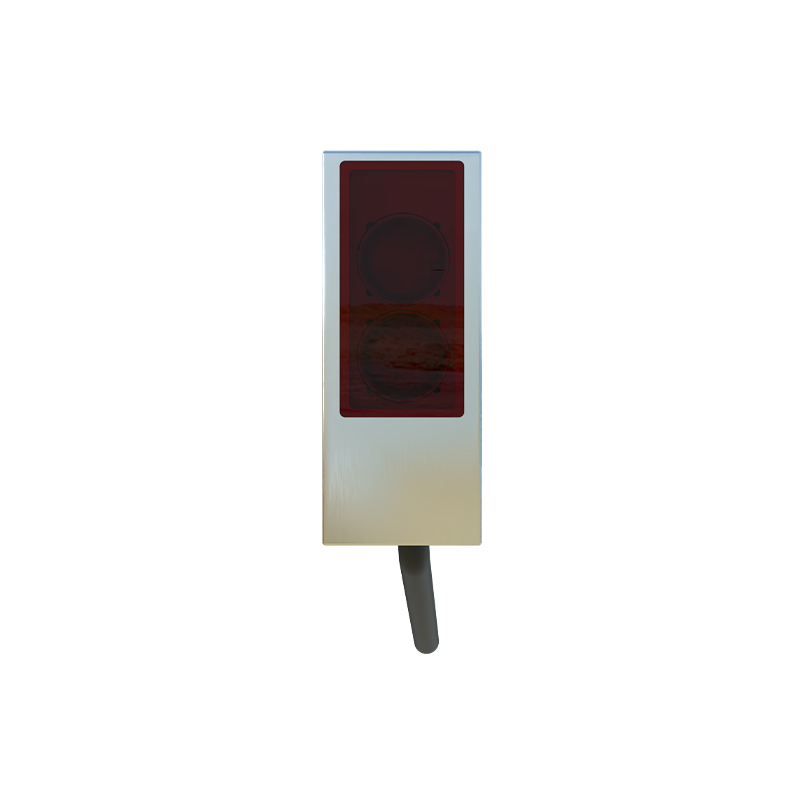
The system comprises two primary hardware elements: the sensor and the counter. The retroreflective sensor's key advantage is simplified installation, as wiring is only required at one point. Modern sensors feature advanced optics and circuitry for long sensing ranges, often exceeding 10 meters, and high immunity to ambient light interference. The counter table, or counter/controller, is the brain of the operation. It receives the sensor's pulsed output (ON/OFF signals) and increments or decrements a count based on its programming. These devices range from simple electromechanical counters to sophisticated programmable logic controllers (PLCs) with digital input modules. The core principle involves the sensor converting a physical event (object passage) into an electrical signal, which the counter interprets as a countable unit.
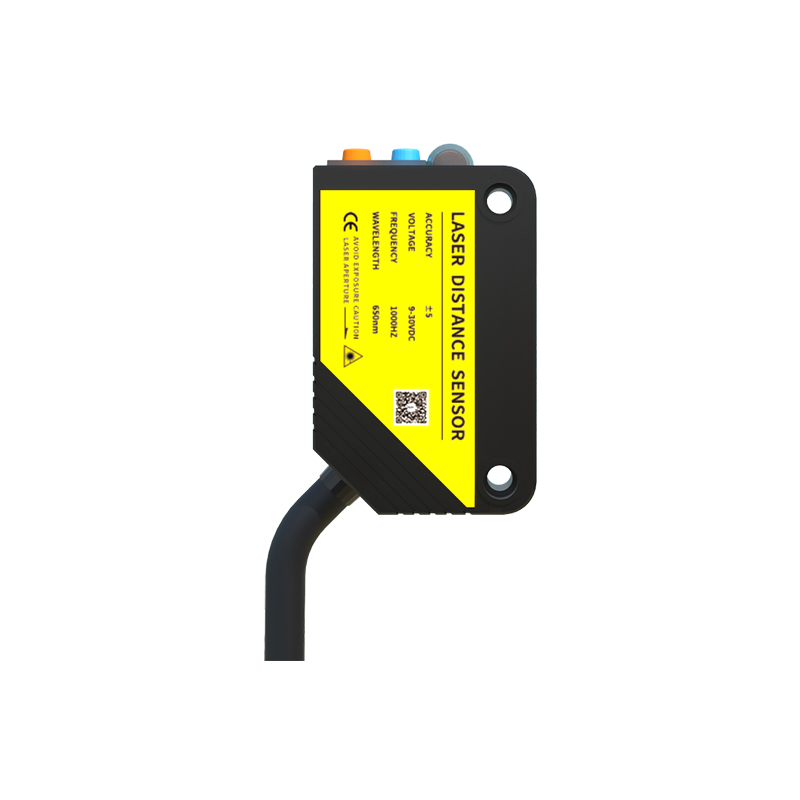
Key Advantages in Industrial Counting
Retroreflective sensors offer distinct benefits for counting applications. Their single-unit design drastically reduces installation time and cost compared to through-beam setups. The alignment process is generally simpler, as only the sensor needs to be aimed at the reflector. This configuration is exceptionally reliable for detecting objects with varied surface properties—shiny, dark, or transparent—as the system detects the presence of the object itself, not its reflectivity. Furthermore, the concentrated, returned beam allows for stable detection even in environments with vibration or minor misalignment. For high-speed production lines, such as bottling or packaging, the fast response time of these sensors ensures no missed counts, maintaining accurate throughput data.
Configuration and Setup Parameters
Proper configuration is vital for optimal performance. On the sensor side, technicians must adjust the sensing distance and sensitivity to suit the application, often using a teach-in function or potentiometer. Setting the correct light-on/dark-on operation mode determines whether the output activates when the beam is received (light-on) or interrupted (dark-on). The counter table requires more detailed programming. Key parameters include count preset values (to trigger an output at a specific number), count direction (up/down), reset functions (manual, automatic, or remote), and output configurations (relay, transistor, or communication protocols like RS-485). Many counters also feature functions like batch counting, rate calculation, and dual preset values for complex sequencing.
Common Applications and Use Cases
The versatility of retroreflective sensor counters makes them ubiquitous across industries. In material handling, they count boxes on conveyors, pallets in storage systems, and items passing through sorting gates. The automotive industry uses them to count components on assembly lines or vehicles through production stages. In packaging, they ensure the correct number of products are filled into cartons. A critical application is in people counting for occupancy monitoring or security, where sensors mounted above doorways count individuals entering or exiting. Another specialized use is in the textile industry for counting yarn breaks or fabric rolls, where non-contact sensing prevents material damage.
Troubleshooting and Maintenance Best Practices
Even robust systems can encounter issues. Common problems include false counts or missed counts. False counts often stem from environmental factors like dust, steam, or highly reflective surfaces causing erratic beam reflection. Using sensors with modulated light and installing protective shrouds can mitigate this. Missed counts may result from objects moving too fast for the sensor's response time, requiring a faster model, or from misalignment due to vibration. Regular maintenance involves cleaning the sensor lens and reflector surface to prevent buildup that attenuates the light beam. Periodically verifying the count accuracy against a manual tally and checking all electrical connections for corrosion or looseness are essential preventative measures.
Integration with Modern Industrial Networks
Today's counter tables are not isolated devices. They frequently integrate into broader Industrial Internet of Things (IIoT) and Industry 4.0 ecosystems. Modern counters come equipped with communication capabilities such as Ethernet/IP, PROFINET, Modbus TCP, or IO-Link. This allows for real-time data transmission of count values, production rates, and diagnostic information to supervisory control and data acquisition (SCADA) systems or manufacturing execution systems (MES). This connectivity enables predictive maintenance alerts, centralized parameter setting, and seamless data aggregation for analytics, transforming simple counting data into actionable intelligence for optimizing overall equipment effectiveness (OEE).
Selecting the Right System
Choosing the appropriate sensor and counter combination depends on several application-specific factors. Key sensor selection criteria include required sensing distance, object size and material, environmental conditions (IP rating for dust/water resistance), and response speed. For the counter, considerations involve the required counting speed (maximum frequency), number of input channels, display type, preset requirements, communication needs, and power supply voltage. Consulting with technical specifications and, when possible, testing the setup in a simulated environment can prevent costly mismatches and ensure the system delivers reliable, long-term performance for its intended counting duty.