Introduction to Photoelectric Sensors
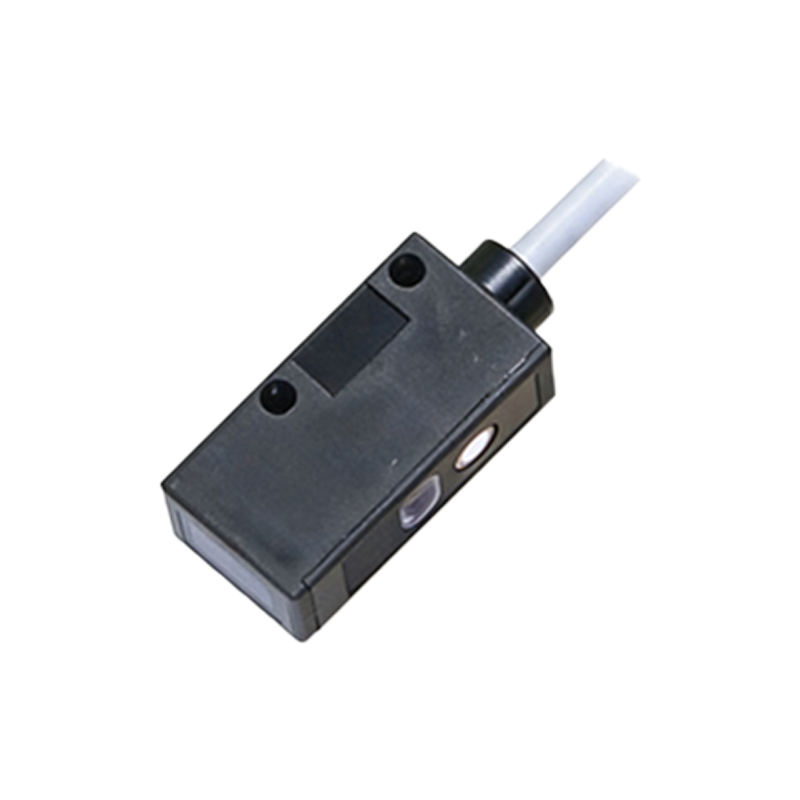
Photoelectric sensors are fundamental components in modern bill and receipt printers, serving as the primary mechanism for paper detection and positioning. These sensors operate on the principle of light emission and reception, typically utilizing an infrared LED and a phototransistor. When a paper bill passes through the printer's paper path, it interrupts or reflects the light beam, generating a signal that the printer's control system interprets. This allows for precise detection of the paper's leading and trailing edges, ensuring accurate printing alignment and preventing paper jams. The reliability of these sensors directly impacts the operational efficiency and uptime of billing systems in retail, banking, and point-of-sale environments. Their non-contact nature ensures no physical wear on the paper, making them ideal for handling various paper types and thicknesses.
Key Operational Principles and Types
The core function hinges on modulated light to avoid ambient light interference. Common configurations include through-beam, retro-reflective, and diffuse-reflective types. In through-beam setups, the emitter and receiver are opposite each other; paper passage breaks the beam. Retro-reflective sensors use a reflector, where the paper breaks the beam returning to the receiver. Diffuse-reflective types detect paper by measuring the light reflected off its surface. For bill printers, through-beam and retro-reflective are prevalent due to high accuracy in detecting translucent or low-opacity papers often used in thermal printing. The sensor's response time, measured in microseconds, is critical for high-speed printing applications, ensuring no lag in detection during rapid paper feed.
Critical Design Considerations for Bill Printers
Designing a photoelectric sensor system for bill printers involves several technical parameters. Sensing distance must be precisely calibrated to the paper path gap. The light source wavelength, commonly around 880-950 nm infrared, is chosen for its insensitivity to visible ambient light. Output configurations include digital (NPN/PNP) or analog signals interfacing with the printer's microcontroller. Environmental robustness is paramount; sensors must withstand dust, paper debris, and temperature fluctuations within the printer housing. Furthermore, power consumption is optimized for energy-efficient operation, especially in portable or battery-backed terminals. Engineers must also consider the sensor's mounting alignment and lens design to maintain a consistent beam focus over the product's lifespan.
Common Failure Modes and Diagnostic Techniques
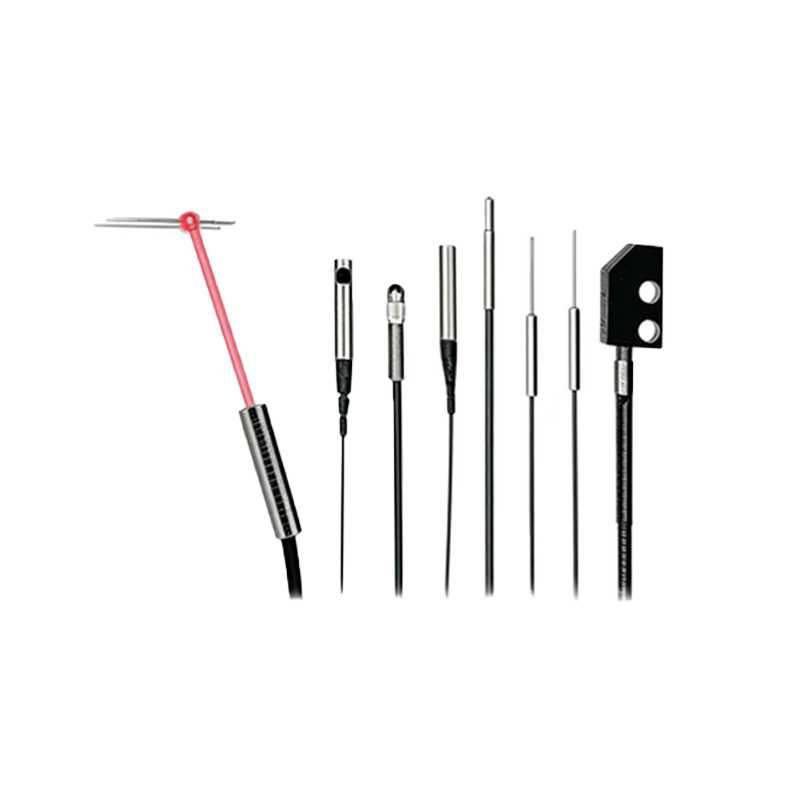
Despite their reliability, photoelectric sensors can fail. Common issues include lens contamination from paper dust or ink, leading to false triggers or missed detections. LED degradation over time reduces light intensity, weakening the signal. Electrical failures may involve damaged receiver components or connection faults. Diagnostics typically involve oscilloscope measurements to check the modulated signal integrity, lux meter tests for emitted light intensity, and visual inspection for physical obstructions. Many modern printers incorporate self-diagnostic routines that monitor sensor feedback and alert users to potential failures, facilitating preventive maintenance and reducing downtime.
Maintenance and Calibration Best Practices
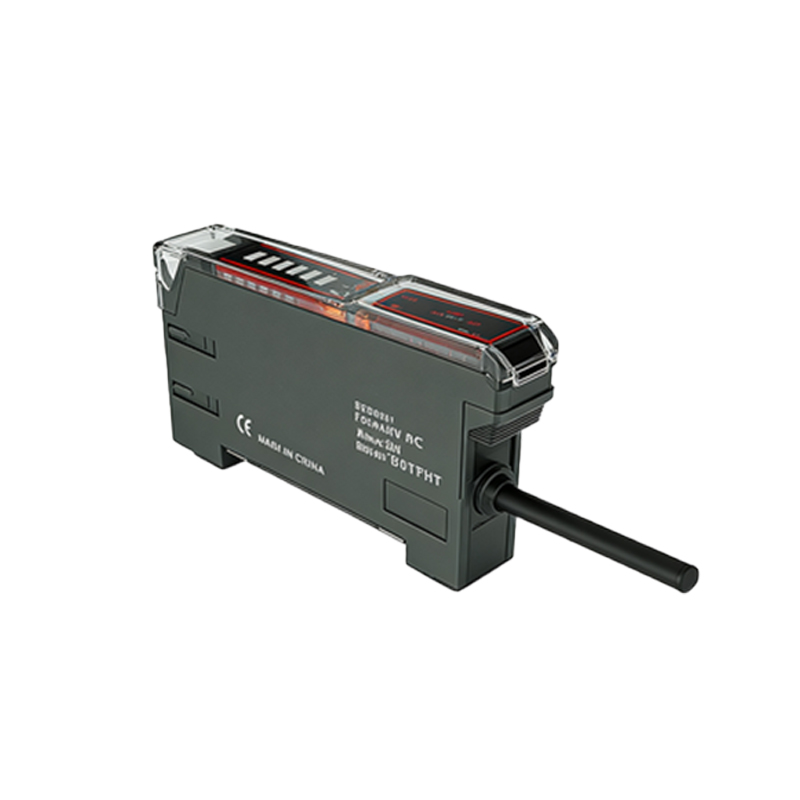
Routine maintenance is essential for sustained performance. This includes periodic cleaning of sensor lenses with approved solvents and compressed air to remove debris. Calibration procedures, often outlined in the printer's service manual, involve verifying the sensor's response to a test media and adjusting potentiometers or software parameters to achieve the correct threshold. For high-volume environments, scheduled replacement of sensors as part of a preventative maintenance plan is advisable, based on the manufacturer's mean time between failure (MTBF) ratings. Proper handling during replacement is crucial to avoid static discharge damage to sensitive photoelectric components.
Future Trends and Technological Advancements
The evolution of photoelectric sensors for printing continues. Miniaturization allows for integration into slimmer printer designs. Enhanced digital sensors with integrated signal processing (ISP) can compensate for gradual lens contamination or LED aging, automatically adjusting gain. The adoption of blue LED technology offers advantages in detecting certain specialty papers or inks. Furthermore, the integration with Industrial Internet of Things (IIoT) platforms enables predictive maintenance, where sensor performance data is analyzed to forecast failures before they occur, maximizing operational efficiency in critical billing infrastructures.