Understanding Low Power Proximity Sensor Technology
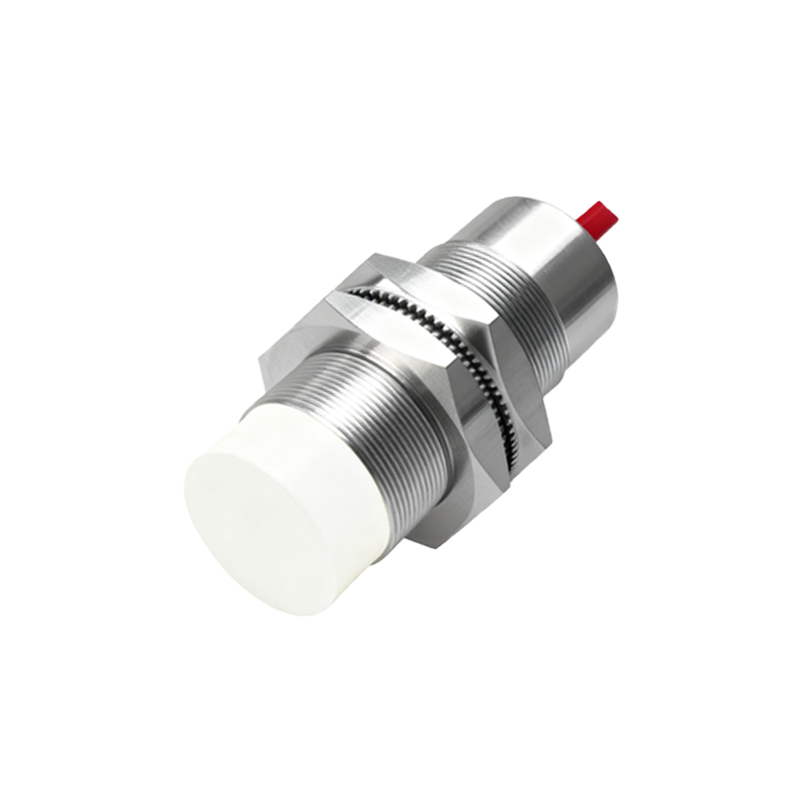
Low power proximity sensors represent a critical advancement in sensing technology, designed to detect the presence or absence of objects within a specified range while minimizing energy consumption. These sensors typically operate on principles such as infrared (IR), ultrasonic, or capacitive sensing, with optimized circuitry that reduces power draw during both active and standby modes. By integrating features like wake-on-approach and adaptive sensing intervals, they enable significant battery life extension in portable and IoT devices. This technology is essential for applications where continuous operation is required but power resources are limited, making it a cornerstone of modern energy-efficient design.
The Role of Specialized Agents in the Supply Chain
Agents specializing in low power proximity sensors act as vital intermediaries between manufacturers and end-users, providing technical expertise, logistical support, and market access. These partners typically maintain deep inventories of sensor components from leading brands, ensuring availability for diverse projects. Beyond distribution, they offer value-added services such as custom calibration, integration support, and compliance guidance with industry standards like RoHS and REACH. By understanding regional market demands and regulatory landscapes, agents help streamline procurement processes, reduce lead times, and mitigate risks associated with supply chain disruptions, thereby enhancing overall project efficiency.
Selection Criteria for an Ideal Agent Partner
Choosing the right agent for low power proximity sensors involves evaluating several key factors. Technical proficiency is paramount—agents should demonstrate a thorough understanding of sensor specifications, including detection range, response time, and power profiles. Additionally, their ability to provide comprehensive documentation, application notes, and sample kits can accelerate development cycles. Supply chain reliability, evidenced by consistent stock levels and global logistics capabilities, ensures uninterrupted production. Finally, agents with strong manufacturer relationships often secure better pricing and early access to new technologies, offering competitive advantages to their clients in fast-evolving markets.
Applications Driving Demand for Low Power Solutions
The demand for low power proximity sensors is fueled by expanding applications across multiple industries. In consumer electronics, they enable features like automatic screen wake-up and touchless gesture control in smartphones and wearables. Industrial automation leverages these sensors for energy-efficient machine monitoring and safety systems. Smart home devices, such as lighting and security systems, utilize them to conserve power while maintaining responsiveness. Healthcare equipment, including portable diagnostic tools, benefits from extended battery life without compromising detection accuracy. As IoT networks grow, the need for sensors that operate reliably on minimal power continues to rise, positioning agents as crucial enablers of innovation.
Future Trends and Agent Adaptability
Emerging trends in low power proximity sensing include the integration of AI for predictive maintenance, enhanced miniaturization, and the adoption of energy-harvesting techniques. Agents must stay ahead by updating their product portfolios and technical knowledge to support these advancements. Partnerships with R&D-focused manufacturers will be key to offering cutting-edge solutions. Additionally, as sustainability becomes a priority, agents may emphasize sensors with eco-friendly materials and lower carbon footprints. By adapting to technological shifts and regulatory changes, proactive agents can help clients navigate the transition toward more intelligent, efficient, and sustainable sensing ecosystems.