Introduction to Proximity Sensing in Ice Production
In the industrial and commercial refrigeration sector, the reliable operation of ice makers is paramount. A critical component ensuring this reliability is the proximity sensor. These specialized sensors are engineered to detect the presence or absence of ice, components, or moving parts without physical contact. Their role extends beyond simple detection; they are integral to automation, safety, and efficiency within the ice-making process. Unlike generic sensors, those designed for ice-making applications must withstand harsh environmental conditions, including low temperatures, high humidity, and potential exposure to water and corrosive cleaning agents. The selection and application of the correct proximity sensor directly impact machine uptime, energy consumption, and the quality of the final product.
Core Operating Principles and Technologies
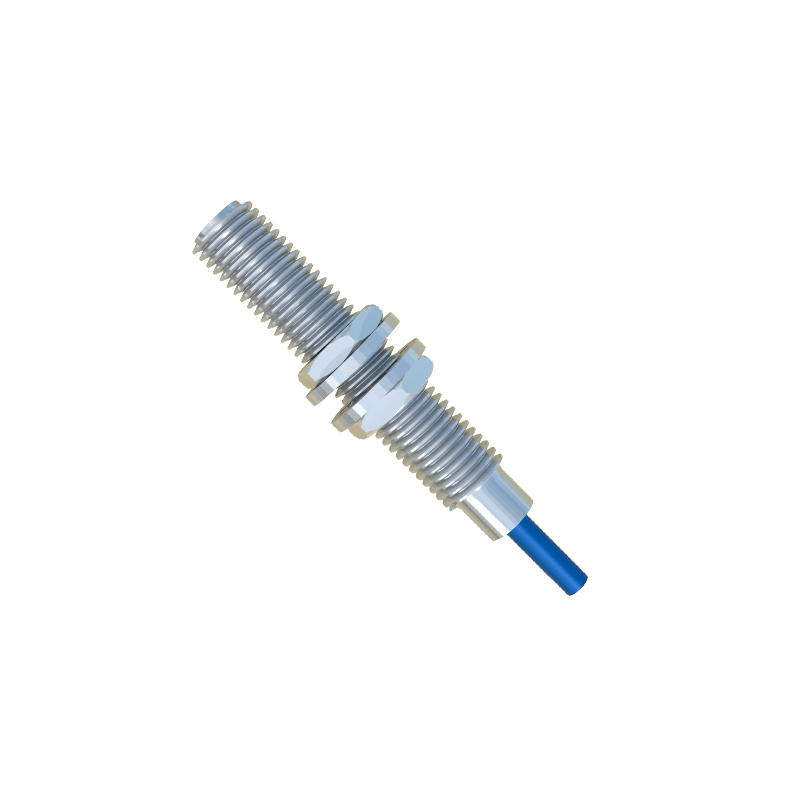
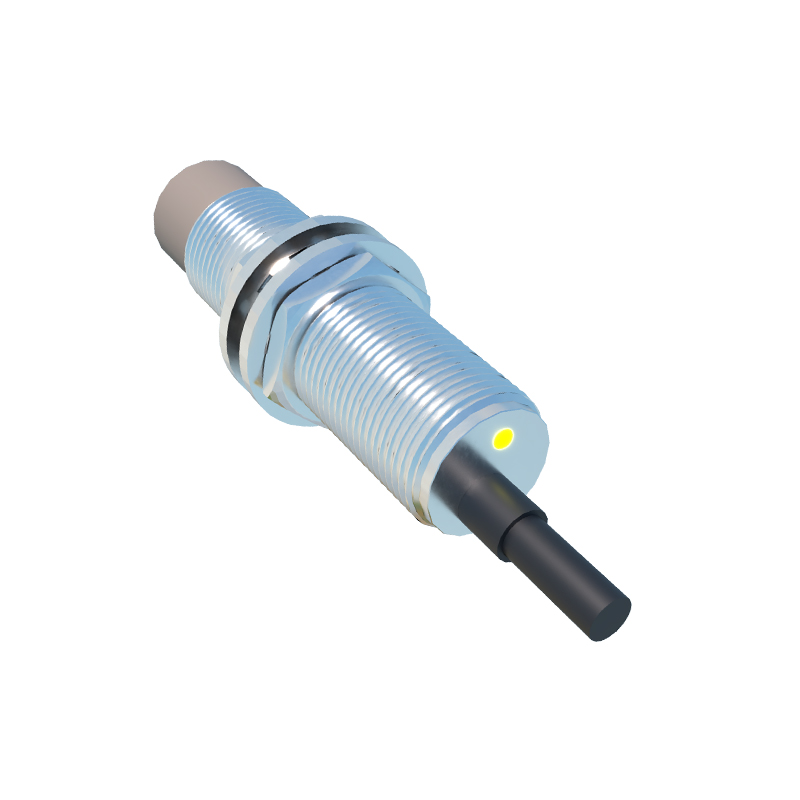
Two primary technologies dominate the landscape of proximity sensors for ice makers: inductive and capacitive. Inductive proximity sensors are the workhorses for detecting metallic components. They generate an electromagnetic field and react to changes caused by a metallic target entering this field, such as a metal bin, a rotating metal auger, or a metal flag on an actuator. They are immune to ice, water, and most non-metallic materials, making them ideal for position sensing of mechanical parts. Capacitive proximity sensors, on the other hand, can detect both metallic and non-metallic materials, including ice, water, and plastic. They function by sensing changes in capacitance caused by a target entering their electrostatic field. This makes them perfect for direct ice level detection in bins or sensing the presence of ice cubes in a chute, where no metal target is present.
Key Design Considerations and Specifications
Selecting a proximity sensor for an ice maker requires careful analysis of several technical specifications. The sensing distance, or nominal range, must be precisely matched to the application to ensure reliable detection without false triggers. The housing material is crucial; stainless steel (often 303 or 316 grade) or high-quality, food-grade plastics like PEEK or PVDF are standard to resist corrosion from water and cleaning chemicals. The ingress protection (IP) rating is non-negotiable. A minimum of IP67 is typically required, allowing the sensor to withstand temporary immersion and high-pressure washdowns common in food service environments. Additionally, the operating temperature range must comfortably include sub-zero conditions, often as low as -30°C or beyond, to ensure functionality in freezer compartments.
Critical Applications Within the Ice Maker
The deployment of proximity sensors within an ice-making machine is multifaceted. A primary application is bin level control. A capacitive sensor mounted in the top of the storage bin detects when the ice level reaches a preset height, signaling the machine to stop production and prevent overfilling. Another vital use is in harvest cycle initiation and monitoring. Inductive sensors detect the position of the evaporator plate or the rotation of the harvest mechanism, ensuring the ice release sequence occurs at the correct time and confirming its completion. Sensors are also used for safety interlocking, such as detecting whether an access panel is securely closed before operation commences, protecting users and equipment.
Installation, Calibration, and Maintenance Best Practices
Proper installation is critical for optimal sensor performance. Sensors must be mounted securely to prevent vibration-induced misalignment. For inductive sensors, it is essential to maintain the recommended clearance from surrounding metal (the "flush-mountable" feature mitigates this) to avoid interference. Wiring should be routed away from power cables to prevent electromagnetic noise from causing erratic behavior. Calibration, particularly for capacitive sensors used for ice detection, may be necessary to account for the specific dielectric constant of the ice and the bin material. Maintenance primarily involves regular visual inspections for physical damage, ice buildup that could obstruct the sensing face, and verification of electrical connections for corrosion.
Troubleshooting Common Sensor-Related Issues
Even robust sensors can encounter issues. Common problems include failure to detect, constant activation, or intermittent operation. A failure to detect is often due to misalignment, an out-of-range target, a damaged sensor, or ice accumulation on the sensing face. Constant activation might indicate a wiring short, a faulty output transistor, or, for capacitive sensors, sensitivity set too high causing detection of the bin wall itself. Intermittent operation frequently points to a loose connection, inadequate power supply voltage, or electrical noise interference. Systematic troubleshooting using a multimeter to check voltage, output status, and by temporarily substituting a known-good sensor is the standard diagnostic approach.
Future Trends and Technological Advancements
The evolution of proximity sensors for ice makers is aligned with broader Industry 4.0 trends. We are seeing the integration of IO-Link communication capability into sensor housings. This digital interface allows for remote parameter setting (