In the dynamic world of modern agriculture, where precision and safety are paramount, proximity sensors have emerged as indispensable components on agricultural machinery. These sophisticated electronic devices, often unseen, play a critical role in preventing collisions, automating processes, and protecting both equipment and operators. Unlike traditional mechanical switches or manual checks, proximity sensors offer non-contact detection, providing reliable feedback in the harsh, dusty, and vibration-heavy environments typical of farm operations.
The core function of an agricultural proximity sensor is to detect the presence or absence of an object within a specified range without any physical contact. This is achieved through various technologies, each suited to different applications. Inductive sensors are widely used for detecting metallic objects, such as checking the position of a hydraulic cylinder on a plow or ensuring a seed drill's metering system is engaged. Capacitive sensors can detect both metallic and non-metallic materials, making them ideal for monitoring levels of grain, fertilizer, or liquid in tanks. Ultrasonic sensors use sound waves to measure distance or detect objects, commonly applied in obstacle detection for large harvesters or autonomous guidance systems. Finally, photoelectric sensors utilize light beams and are excellent for precise detection tasks, like counting plants or ensuring proper alignment in planting equipment.
The integration of these sensors directly translates to enhanced operational safety. Large modern tractors, combines, and forage harvesters are equipped with numerous blind spots. Proximity sensors act as an electronic sentinel, providing audible or visual warnings when an object or person is too close to moving parts like PTO shafts, headers, or rear-mounted implements. This is crucial for preventing costly damage to machinery and, more importantly, avoiding serious injuries. Furthermore, on automated or semi-autonomous machinery, these sensors form the backbone of collision avoidance systems, allowing equipment to slow down or stop when an obstacle is detected in its path.
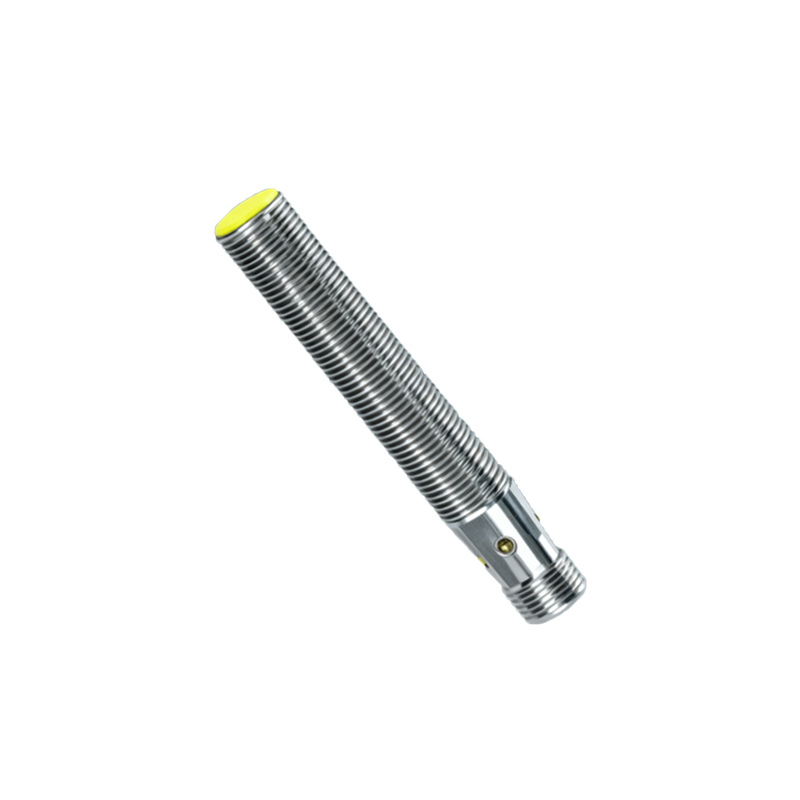
Beyond safety, the impact on efficiency and precision farming is profound. Proximity sensors enable a high degree of automation, reducing operator fatigue and human error. For instance, in planting operations, sensors monitor seed flow in each row, instantly alerting the operator to any blockages that could lead to skipped rows and yield loss. In harvesting, sensors can detect crop density and adjust the forward speed of the combine for optimal threshing. They are integral to section control systems on sprayers and planters, automatically shutting off individual nozzles or row units to prevent over-application of inputs on areas that have already been covered or on headlands, leading to significant cost savings and environmental benefits.
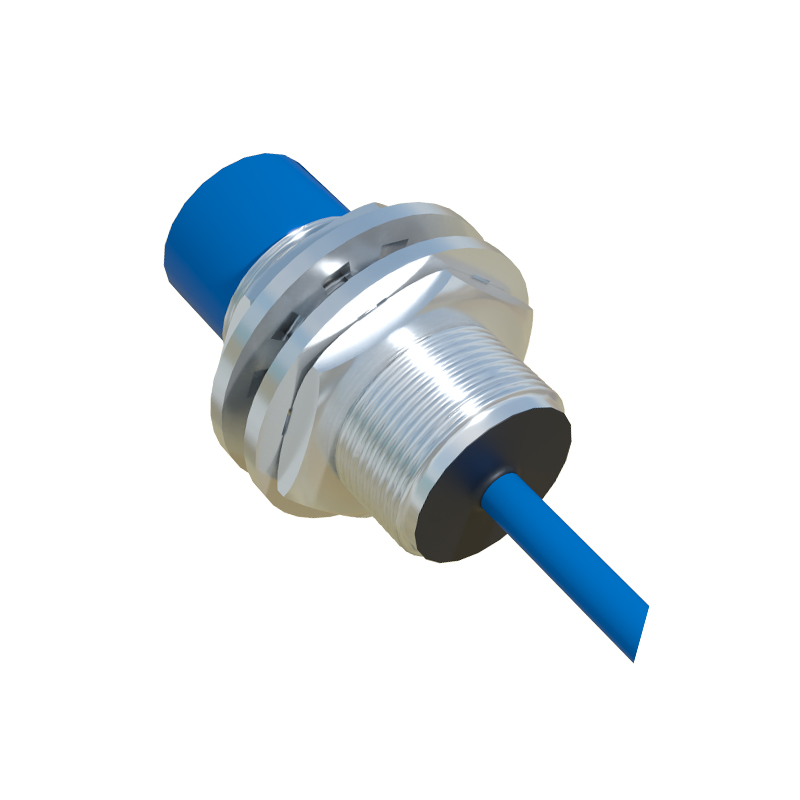
Durability is a non-negotiable requirement for any component on farm machinery. Leading manufacturers design agricultural-grade proximity sensors to withstand extreme conditions. They are typically housed in robust, sealed enclosures with high Ingress Protection (IP) ratings like IP67 or IP69K, making them resistant to dust, moisture, high-pressure washdowns, and chemicals. They are also engineered to endure constant vibration, shock from rough terrain, and wide temperature fluctuations from freezing winters to scorching summer heat.
The future of proximity sensing in agriculture is tightly linked to the evolution of smart farming and the Internet of Things (IoT). Modern sensors are increasingly "intelligent," featuring IO-Link communication capabilities. This allows them to transmit not just a simple on/off signal, but rich diagnostic data—such as internal temperature, operating hours, or signal strength—directly to the tractor's cab display or a farm management software platform. This predictive data enables proactive maintenance, preventing unexpected downtime. As autonomous tractors and implements move closer to widespread adoption, the fusion of advanced proximity sensors with LiDAR, radar, and camera systems will be essential for creating a comprehensive and safe perception of the machine's surroundings.
In conclusion, proximity sensors are far more than simple switches. They are fundamental enabling technologies that elevate the safety, efficiency, and intelligence of contemporary agricultural machinery. By providing reliable, non-contact detection, they protect valuable assets, optimize input use, and collect vital operational data. For farmers and equipment manufacturers aiming to maximize productivity while minimizing risk, investing in and understanding the capabilities of advanced proximity sensor systems is no longer an option but a necessity for sustainable and profitable farming.