Understanding Photoelectric Sensor Fundamentals
Photoelectric sensors are ubiquitous in industrial automation, performing critical tasks like object detection, positioning, and counting. Their signage, often overlooked, is a vital component for operational safety, maintenance efficiency, and system clarity. A well-designed sign serves as the primary interface between the complex internal technology and the personnel who install, troubleshoot, and work around these devices. It communicates essential information at a glance, reducing downtime and preventing errors. The design of these labels must balance technical detail with immediate readability in often challenging industrial environments, considering factors like lighting, dust, and physical wear.
Core Information Elements for Signage
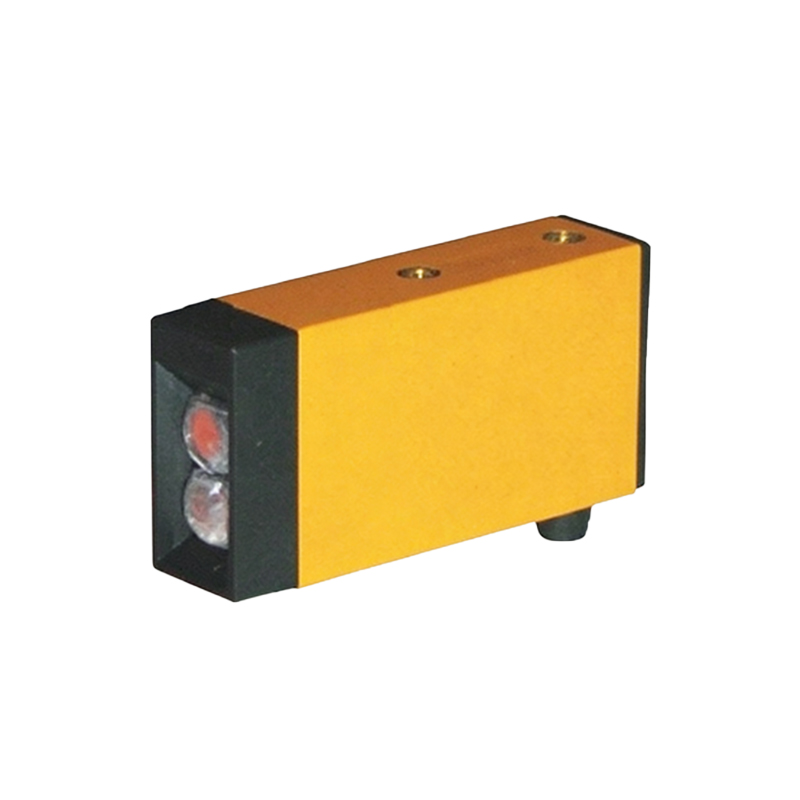
Every photoelectric sensor sign must contain specific, non-negotiable data points. The sensor's unique identifier, such as a part number or model code (e.g., E3S-CL1), is paramount. This should be accompanied by the manufacturer's name and logo for traceability. The operating specifications are equally critical: the sensing type (diffuse, retro-reflective, through-beam), light source type (red LED, laser, infrared), and nominal sensing distance. Electrical ratings, including supply voltage range (e.g., 10-30 VDC) and output type (NPN/PNP, NO/NC), must be clearly stated. Finally, connection diagrams or pin assignments are indispensable for correct wiring, often presented through simple, intuitive symbols.
Material and Durability Considerations
The industrial setting dictates stringent requirements for sign material. Labels face exposure to oils, coolants, solvents, UV radiation, and mechanical abrasion. Therefore, materials like polyester, polyimide, or anodized aluminum are standard choices. These substrates must be paired with high-performance printing methods, such as thermal transfer printing with resin-based ribbons or laser etching, to ensure indelible markings. The signage should carry relevant durability certifications, like UL Recognized Component marks or specific IP (Ingress Protection) ratings for dust and water resistance, matching or exceeding the sensor's own environmental rating.
Design Principles for Readability and Safety
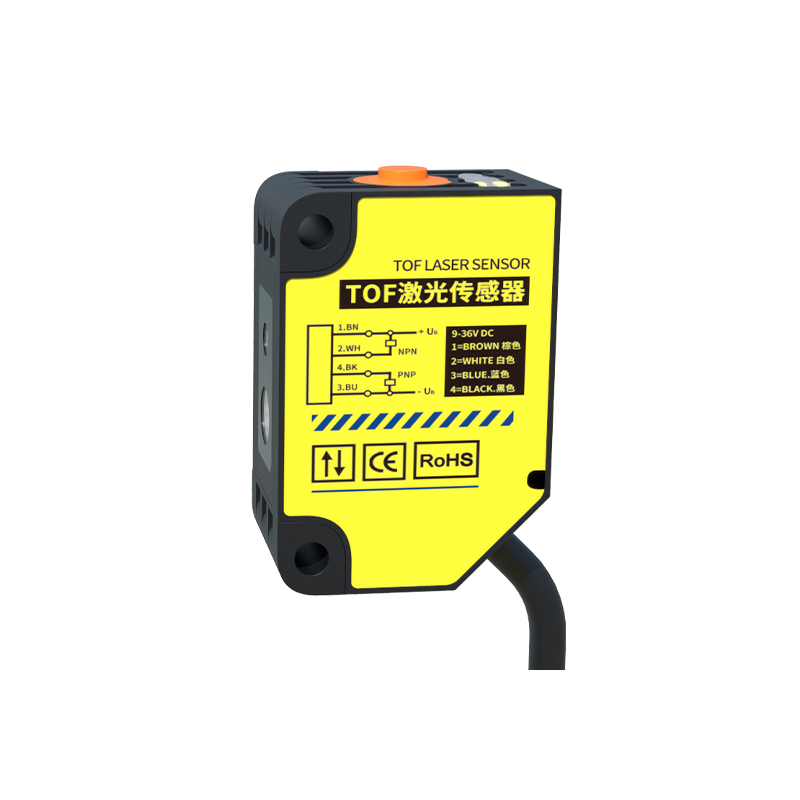
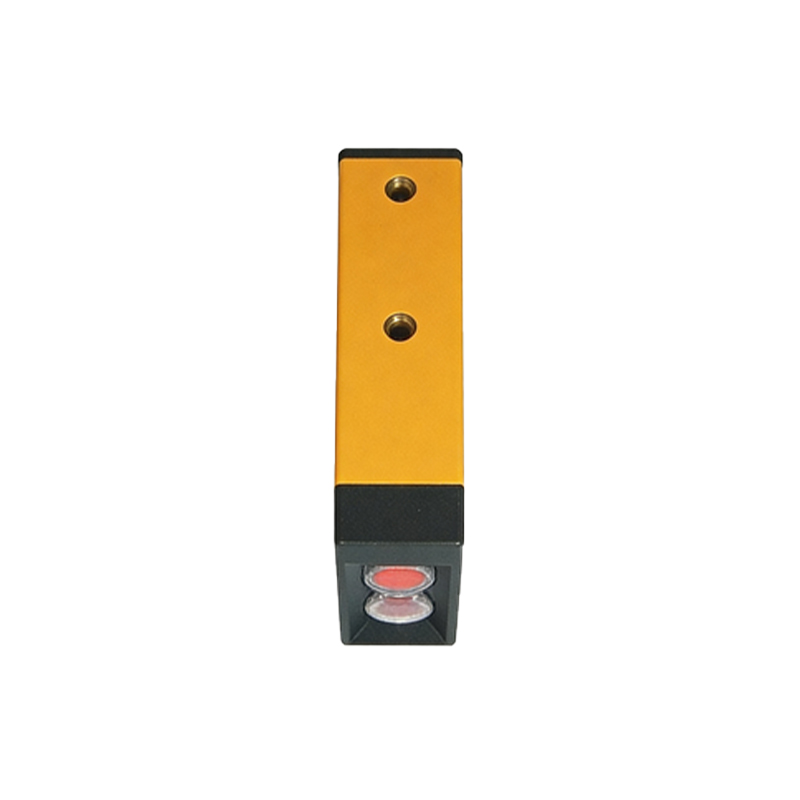
Clarity under pressure is the goal. The layout should follow a logical hierarchy: the most frequently needed information for troubleshooting, like the model number and output state, should be most prominent. Use high-contrast color schemes (e.g., black on white, yellow on black) and large, sans-serif fonts. International standard symbols (IEC/ISO) should be favored over text where possible to transcend language barriers. Safety warnings, such as "Class 1 Laser Product" or "Disconnect power before servicing," must be highlighted with standardized pictograms and border shapes, often in yellow and black, to convey hazard levels instantly.
Integration with Control System Documentation
The sensor's signage does not exist in isolation; it is a key node in the broader control system documentation. The identifier on the sign should correspond exactly with the tag used in electrical schematics, PLC I/O lists, and the plant's asset management system. This creates a seamless paper trail from the physical device to its digital twin. Some advanced designs incorporate machine-readable codes like Data Matrix or QR codes. These can link directly to digital manuals, datasheets, or spare part inventories, bridging the gap between the physical installation and the digital maintenance ecosystem.
Future Trends and Smart Labeling
The evolution towards Industry 4.0 is influencing sensor signage. RFID tags or NFC chips embedded within labels can store the sensor's entire lifecycle data, including calibration history and maintenance logs, accessible via a handheld reader. E-paper displays, while currently niche, offer the potential for dynamic signage where information can be updated remotely. The core principle, however, remains unchanged: the sign must provide unambiguous, durable, and instantly accessible information to support safe, efficient, and intelligent industrial operations, forming a critical link in the connected factory of the future.