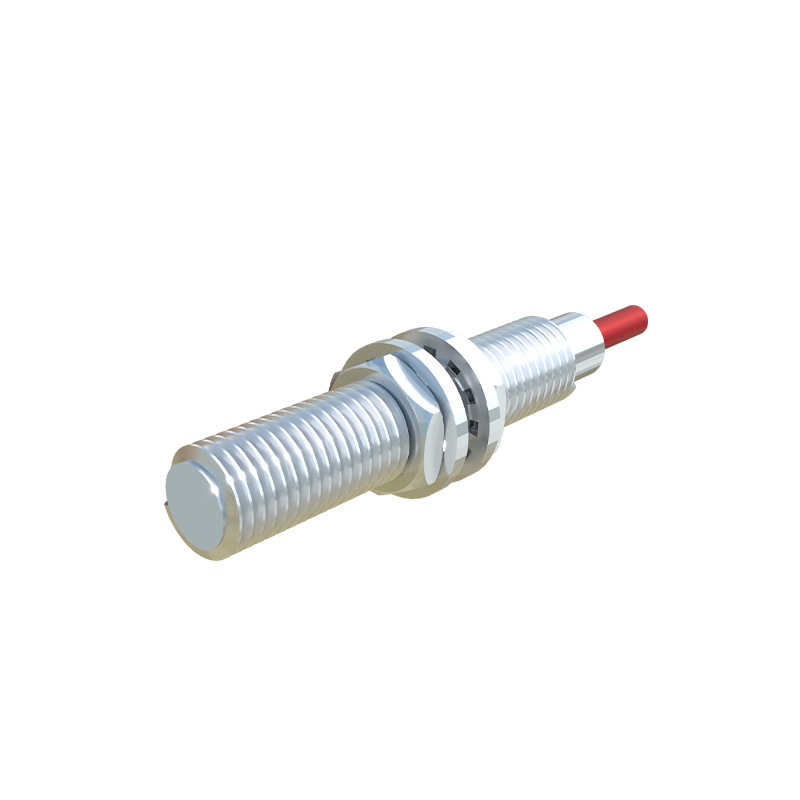
In the world of industrial automation, cylindrical proximity sensors are indispensable components. They provide non-contact detection of metallic or, in some cases, non-metallic objects, playing a critical role in positioning, counting, and safety applications across assembly lines, packaging machinery, and robotic systems. For procurement specialists, engineers, and business owners, understanding the factors that determine the factory price of these sensors is essential for making informed purchasing decisions and optimizing project budgets.
The term "factory price" refers to the cost set by the manufacturer before additional markups from distributors, retailers, or other intermediaries. This base price is not a single figure but a spectrum influenced by a complex interplay of technical specifications, manufacturing processes, and market dynamics. One of the primary cost drivers is the sensing technology itself. Inductive sensors, designed to detect ferrous and non-ferrous metals, are generally the most cost-effective due to their mature and widespread production. Capacitive sensors, capable of detecting a wider range of materials including liquids and plastics, involve more complex electronics, leading to a higher base price. Similarly, ultrasonic and photoelectric cylindrical sensors command premium pricing due to their advanced components and ability to handle more challenging detection scenarios.
Beyond the core technology, the specific performance parameters significantly impact cost. Sensing range is a key factor; a standard 5mm range sensor is commonplace and economical, while a sensor with a 20mm or 30mm range requires more precise engineering and higher-quality coils or emitters, increasing the price. The housing material also contributes substantially. Standard nickel-plated brass or stainless steel housings offer durability at a moderate cost. However, sensors designed for extreme environments—featuring high-grade stainless steel (like V4A/316L), specialized coatings for chemical resistance, or enhanced IP67/IP69K ingress protection ratings—incur higher material and machining costs. The type of electrical output (e.g., NPN vs. PNP, NO vs. NC) and connection style (pre-wired cable vs. quick-disconnect M8/M12 connectors) also introduce price variations, with ruggedized cables and industry-standard connectors adding to the unit cost.
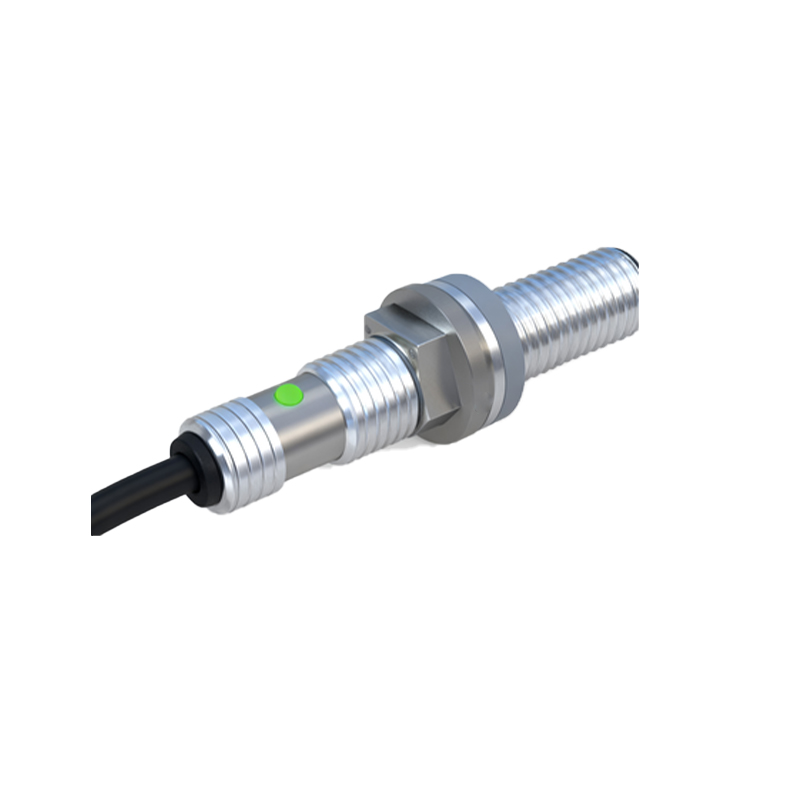
Manufacturing scale and brand positioning are equally crucial economic factors. Large-scale manufacturers benefit from economies of scale, allowing them to produce high volumes at a lower per-unit cost, which can translate to more competitive factory prices. Established brands with a global reputation for reliability, extensive R&D investment, and comprehensive certification (e.g., UL, CE, ATEX) often price their products at a premium. This premium reflects not just the product but also the assurance of quality, longevity, and technical support. Conversely, newer or lesser-known manufacturers may offer lower factory prices to penetrate the market, though this may come with trade-offs in consistent quality, warranty terms, or lead times.
Raw material costs, particularly for metals, electronics, and semiconductors, are volatile and directly affect the factory price. Fluctuations in copper, nickel, and semiconductor chip markets can cause manufacturer cost adjustments. Furthermore, customization requests—such as special sensing ranges, unique housing dimensions, or custom cable lengths—deviate from standard production runs, leading to significantly higher prices due to setup and low-volume production costs.
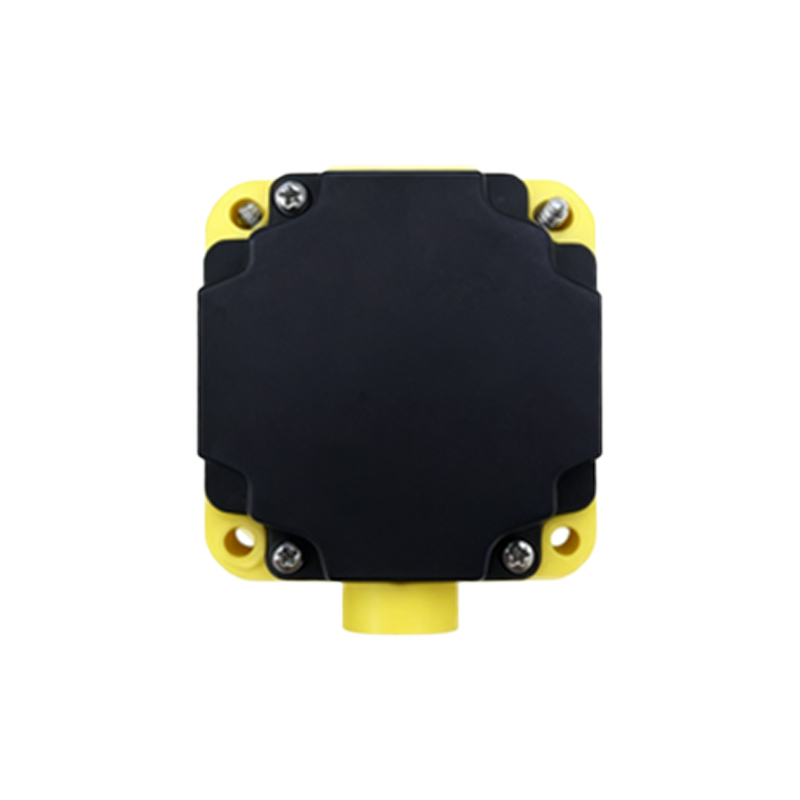
For buyers aiming to navigate this landscape, the strategy should extend beyond simply seeking the lowest listed factory price. The true cost of ownership includes factors like sensor longevity, failure rates, compatibility with existing systems, and maintenance needs. A slightly higher initial investment in a robust, well-suited sensor from a reputable source can prevent costly downtime and replacements in the long run. Engaging directly with manufacturers or authorized distributors for volume quotations, clearly defining exact technical requirements, and considering total lifecycle costs are the most effective ways to secure genuine value when evaluating the factory price of cylindrical proximity sensors.