Introduction to Proximity Sensing Technology
Proximity sensors are integral components in modern electronic devices, designed to detect the presence of nearby objects without any physical contact. These sensors typically operate using electromagnetic fields, infrared light, or capacitive sensing. In the context of consumer electronics, such as smartphones and tablets, proximity sensors play a crucial role in enhancing user experience and conserving power. A common application is during phone calls, where the sensor detects when the device is close to the user's ear and automatically turns off the display to prevent accidental touch inputs and save battery life. The technology's reliability and efficiency make it a standard feature in many high-end and mid-range devices.
Examining the K70 Device Specifications
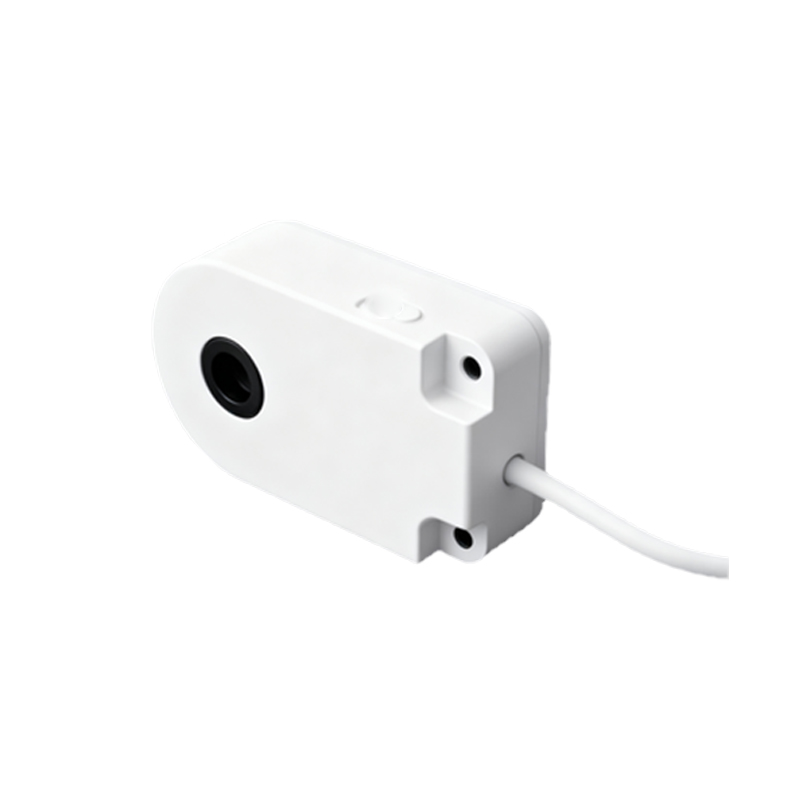
The K70, as a model within a broader product lineup, requires careful examination of its official technical specifications to determine sensor inclusion. A thorough review of the manufacturer's datasheets, user manuals, and official product announcements is essential. Typically, device specifications will explicitly list sensors under sections titled "Sensors" or "Features." Common entries include accelerometer, gyroscope, ambient light sensor, and proximity sensor. If the proximity sensor is present, it is usually highlighted as a key feature for call management and power efficiency. The absence of such a listing in the primary specification documents would strongly indicate that the K70 model does not incorporate this specific hardware component.
Analysis of Common K70 Use Cases
Understanding the intended application of the K70 device provides context for its sensor suite. If the K70 is positioned as a productivity-focused device, such as a mechanical keyboard or a specific model of tablet, the necessity for a proximity sensor diminishes. For instance, a keyboard primarily interfaces through physical key presses and does not require ear detection. Conversely, if the K70 refers to a smartphone or a hands-free communication device, the omission of a proximity sensor would be a notable deviation from industry norms and could impact its market competitiveness. The design philosophy often dictates component selection, prioritizing features that align with core functionalities.
Industry Trends and Alternative Implementations
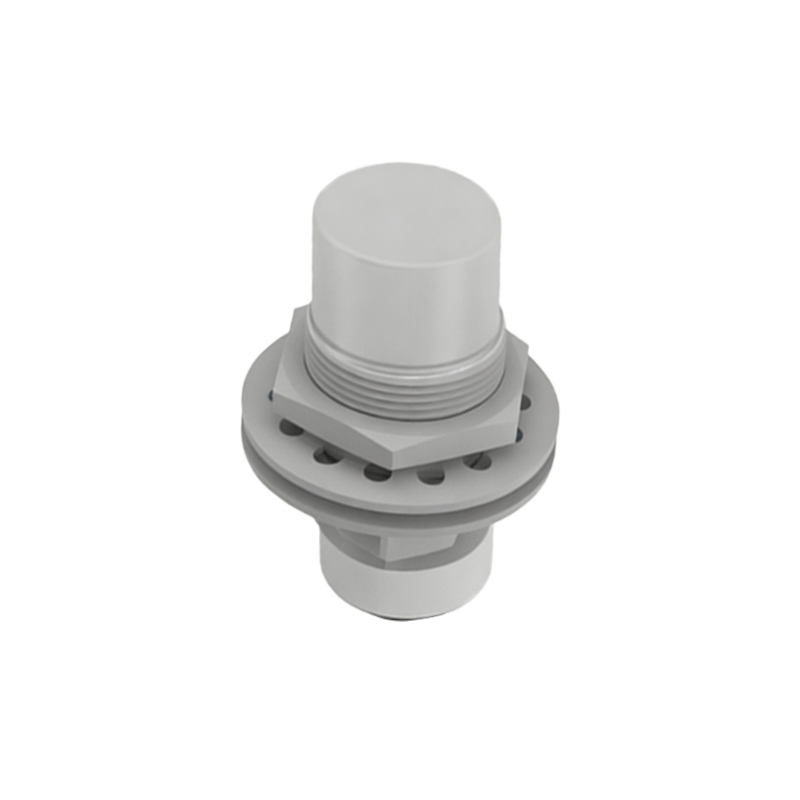
The electronics industry continuously evolves, with software-based solutions sometimes supplementing or replacing dedicated hardware sensors. Some devices utilize the front-facing camera or advanced algorithms with existing sensors like the ambient light sensor to approximate proximity detection. However, these software methods are generally less reliable and slower than a dedicated hardware proximity sensor. For a device like the K70, if a hardware sensor is absent, the product documentation might describe an alternative method for screen management during calls or other relevant scenarios. It is important to scrutinize feature descriptions for terms like "screen-off during calls" which may hint at the underlying technology used.
Verification Through User and Developer Resources
Beyond official specs, community forums, developer SDKs (Software Development Kits), and teardown reports offer practical verification. Developer documentation for the K70 would list accessible sensor APIs. If an API for a proximity sensor is unavailable to app developers, it confirms the hardware's absence. Similarly, technical teardowns conducted by repair specialists or enthusiasts provide visual confirmation of internal components. Photographs of the logic board can reveal the presence or absence of the small, distinct component that is a proximity sensor. User reviews often mention practical experiences, such as whether the screen turns off reliably during calls, offering real-world functional confirmation.
Conclusion and Practical Implications
Based on standard industry practices for specification disclosure, the most definitive answer regarding the K70's proximity sensor comes from its official technical documentation. If the specification sheet does not list a proximity sensor, it is safe to conclude that the device lacks this specific hardware. For potential users, this means that functionalities like automatic screen blanking during calls may not be present or may be implemented through less optimal software means. When selecting a device, users for whom this feature is critical should prioritize models where the proximity sensor is explicitly confirmed as a built-in component in the device's sensor array.