Introduction to the TB-5002C Proximity Sensor
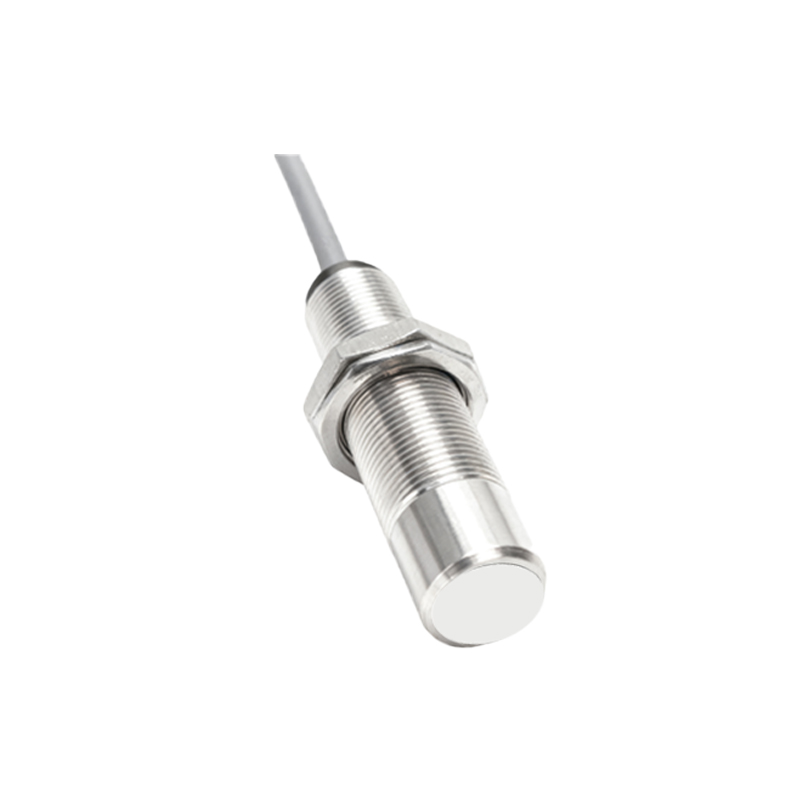
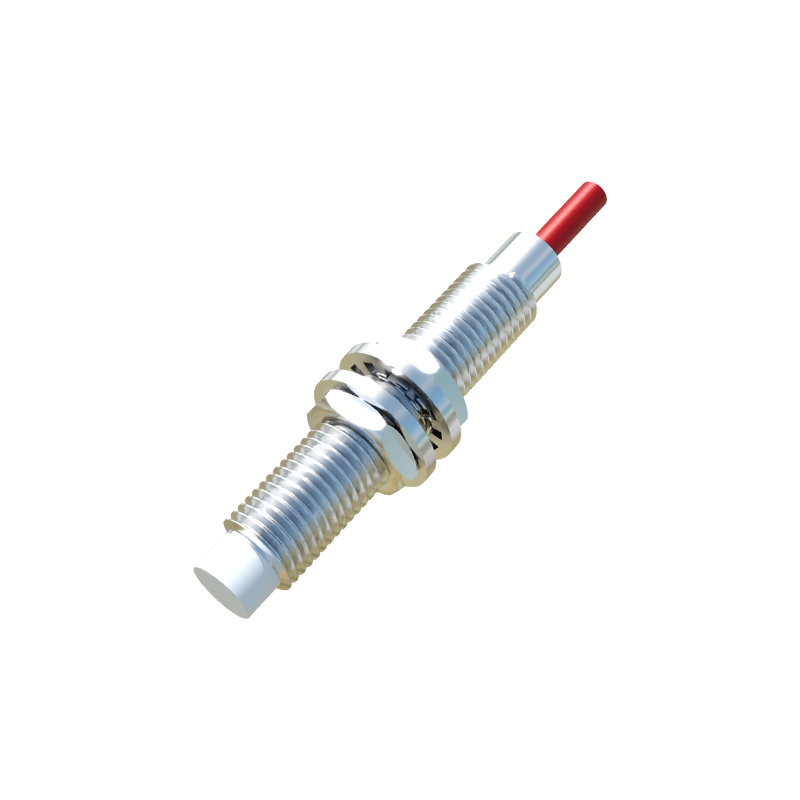
The TB-5002C represents a significant advancement in non-contact sensing technology, specifically designed for demanding industrial automation environments. As a high-performance inductive proximity sensor, it excels in detecting metallic objects with exceptional reliability and precision. Engineered for seamless integration into complex machinery and production lines, this sensor is built to withstand the rigors of continuous operation, offering a robust solution for position detection, counting, and end-position monitoring tasks. Its compact cylindrical housing, typically in M18 or M30 threading, allows for flexible mounting in space-constrained applications, making it a versatile component in the toolkit of modern industrial engineers.
Core Technical Specifications and Operating Principles
Operating on the principle of electromagnetic induction, the TB-5002C generates an oscillating electromagnetic field from its sensing face. When a metallic target enters this field, eddy currents are induced within the target, causing a change in the oscillation amplitude. This change is detected by the sensor's internal circuitry, triggering a solid-state switching output. Key specifications include a standard sensing range, often up to 8mm for steel targets, with a repeat accuracy in the micrometer range. It typically features a DC three-wire configuration (PNP or NPN output) with short-circuit and reverse polarity protection. The sensor operates across a wide voltage range, commonly 10-30V DC, and offers a high switching frequency, enabling it to detect rapidly moving objects on high-speed production lines.
Robust Construction and Environmental Resilience
A hallmark of the TB-5002C is its exceptional durability. The housing is constructed from high-grade stainless steel or nickel-plated brass, providing excellent resistance to mechanical impact, vibration, and corrosion. The sensing face is protected by a rugged, chemically resistant material, often PBT or similar engineering plastic. This sensor is frequently rated with an IP67 or higher ingress protection rating, ensuring reliable performance in environments with dust, oil, coolants, and temporary immersion in water. This robust construction minimizes downtime and maintenance requirements, contributing directly to increased overall equipment effectiveness (OEE) in manufacturing facilities.
Application Scenarios in Modern Industry
The application portfolio of the TB-5002C is extensive. In automotive assembly lines, it is crucial for verifying the presence of engine components or confirming robotic arm positions. Within packaging machinery, it provides precise bottle cap detection and product counting. In metalworking and CNC machining centers, it serves as a reliable tool for monitoring tool position, detecting workpiece presence, and ensuring proper clamping. Its immunity to ambient light and most non-metallic materials makes it ideal for these harsh, electrically noisy environments where optical sensors might fail.
Installation Guidelines and Best Practices
Correct installation is paramount for optimal performance. Engineers must ensure adequate clearance around the sensor body to prevent false triggers from adjacent metal structures, adhering to specified lateral and flush-mounting distances. The wiring should follow EMC guidelines, with shielded cables recommended for long runs in electrically noisy environments. Proper grounding is essential. It is also critical to select the correct sensor variant (e.g., shielded or unshielded) based on the mounting configuration to achieve the advertised sensing range and avoid performance degradation.
Advantages Over Alternative Sensing Technologies
Compared to mechanical limit switches, the TB-5002C offers a decisive advantage with its non-contact operation, eliminating mechanical wear and ensuring a virtually infinite operational life. When contrasted with photoelectric sensors, its immunity to dirt, dust, fog, and target color or reflectivity makes it superior in dirty or wet conditions, provided the target is metallic. Its simple, solid-state design generally offers faster response times and higher reliability than mechanical counterparts, leading to improved system speed and reduced maintenance costs over the long term.
Troubleshooting and Maintenance Insights
While designed for minimal maintenance, understanding basic troubleshooting steps is valuable. Common issues include failure to detect, which may stem from an incorrect power supply, wiring fault, or a target outside the sensing range or made of an unsuitable material. Continuous output can indicate sensor damage or metallic debris stuck to the sensing face. Regular visual inspections for physical damage and cleaning of the sensing face with a soft cloth are recommended. Utilizing an LED status indicator, a standard feature on the TB-5002C, provides immediate visual feedback on its operational state (power, output activation), greatly simplifying diagnostics.
Conclusion and Future Outlook
The TB-5002C proximity sensor stands as a proven, reliable workhorse in industrial automation. Its blend of robust construction, precise detection capabilities, and environmental resilience makes it an indispensable component for engineers designing reliable and