Understanding Proximity Sensor Technology
Proximity sensors are widely used in industrial automation and machinery to detect the presence or absence of objects without physical contact. These sensors operate based on various principles, such as inductive, capacitive, ultrasonic, or photoelectric methods. Inductive sensors, for example, generate an electromagnetic field to detect metallic objects, while capacitive sensors can sense both metallic and non-metallic materials by measuring changes in capacitance. The accuracy of position measurement depends heavily on the sensor type, design, and application environment. Engineers often select sensors based on factors like sensing range, response time, and environmental conditions to ensure reliable performance. In precision applications, even minor deviations can impact overall system efficiency, making accuracy a critical consideration.
Factors Influencing Measurement Accuracy
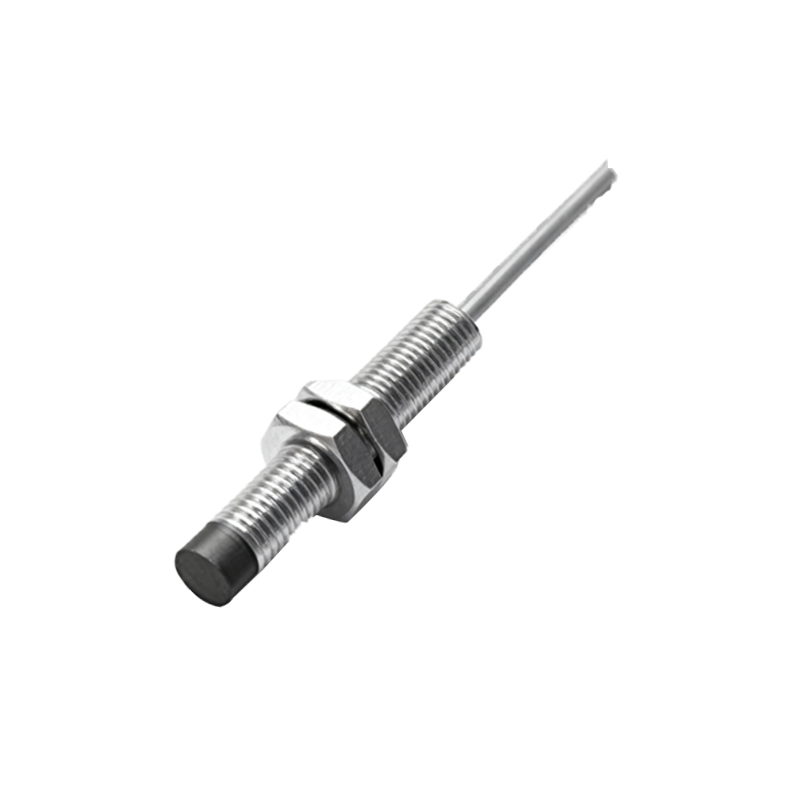
Several key factors affect the accuracy of proximity sensors in position measurement. First, the sensing distance plays a crucial role; sensors typically have a specified nominal range, but actual performance may vary due to material properties or object size. For instance, inductive sensors might show reduced accuracy with non-ferrous metals compared to steel. Second, environmental conditions like temperature fluctuations, humidity, or electromagnetic interference can cause signal drift, leading to measurement errors. Additionally, sensor mounting and alignment must be precise to avoid skewed readings. Regular calibration and maintenance are essential to sustain accuracy over time, as wear and tear or contamination can degrade sensor performance.
Comparing Accuracy Across Sensor Types
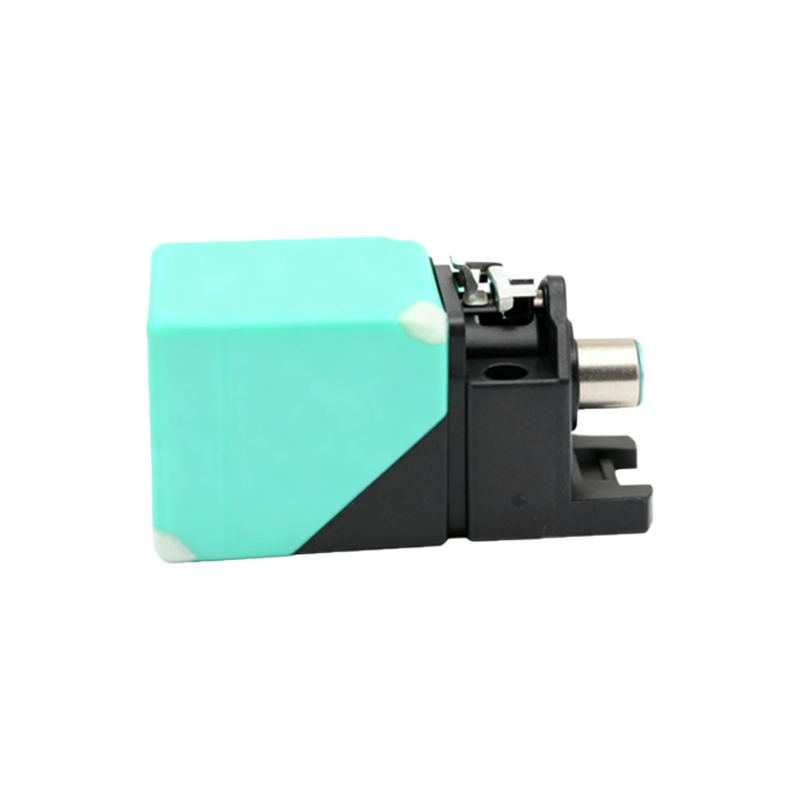
Different proximity sensor types offer varying levels of accuracy. Inductive sensors are known for high precision in detecting metallic objects, often with repeatability within micrometers in controlled settings. Capacitive sensors, while versatile for non-metallic materials, may have lower accuracy due to sensitivity to environmental changes like moisture. Ultrasonic sensors provide longer ranges but can be affected by air turbulence or surface texture, potentially reducing positional accuracy. Photoelectric sensors, using light beams, offer fast response and good accuracy but may struggle in dusty or opaque environments. Engineers must weigh these trade-offs based on specific application needs, such as required tolerance levels and operational speed.
Real-World Applications and Accuracy Challenges
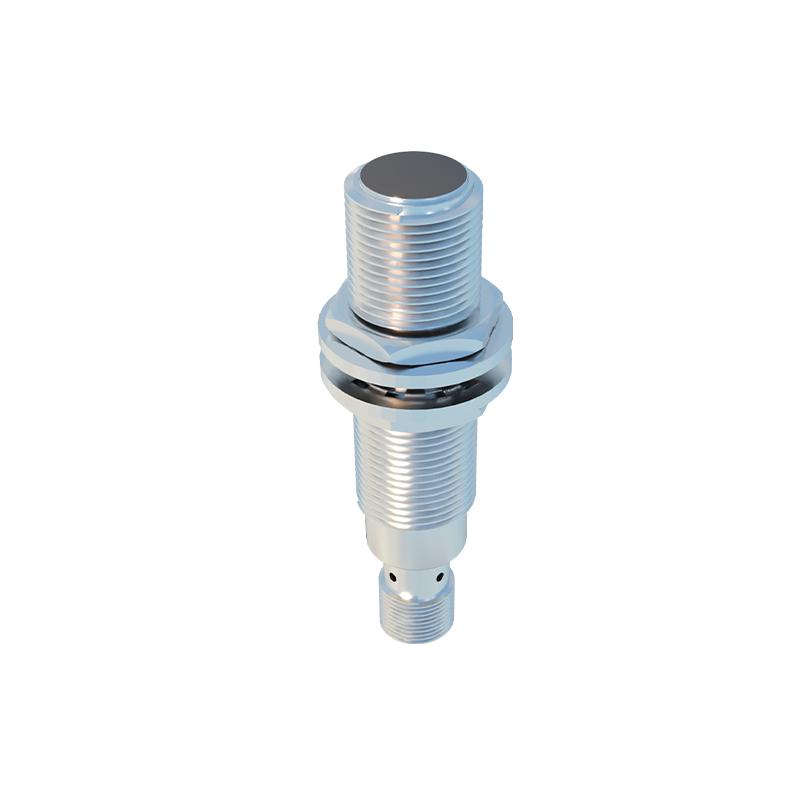
In practical industrial scenarios, proximity sensors are employed for tasks like robotic positioning, conveyor belt monitoring, or assembly line quality control. For example, in automotive manufacturing, inductive sensors ensure precise placement of components, with accuracy critical to safety standards. However, challenges arise in harsh environments—such as high vibration or extreme temperatures—where sensor accuracy can diminish. To mitigate this, advanced sensors with built-in diagnostics or temperature compensation are used. Case studies show that while sensors can achieve sub-millimeter accuracy in ideal conditions, real-world factors often necessitate error margins, highlighting the importance of system design and redundancy.
Enhancing Accuracy Through Calibration and Integration
Improving the accuracy of proximity sensors involves systematic calibration and integration with other systems. Calibration adjusts sensor outputs to match known reference points, reducing systematic errors. Many modern sensors feature auto-calibration or digital interfaces for easy tuning. Integration with controllers, such as PLCs or microprocessors, allows for real-time data processing and error correction. For instance, combining multiple sensors in an array can average out inconsistencies, enhancing overall positional reliability. Additionally, using feedback loops with encoders or vision systems can validate sensor readings, ensuring higher accuracy in dynamic applications. Regular testing and updates to firmware also help maintain optimal performance.
Future Trends in Sensor Accuracy
Advancements in technology are driving improvements in proximity sensor accuracy. Innovations like smart sensors with IoT connectivity enable continuous monitoring and predictive maintenance, reducing downtime and errors. Enhanced materials and miniaturization are leading to more robust designs with better signal-to-noise ratios. Machine learning algorithms are being integrated to analyze sensor data patterns, automatically compensating for environmental variations. As industries move toward Industry 4.0, the demand for higher accuracy in position measurement is growing, pushing manufacturers to develop sensors with tighter tolerances and adaptive capabilities. These trends promise to make proximity sensors even more reliable for critical applications in the future.