Introduction to Radar Proximity Sensing Technology
Radar proximity sensors represent a sophisticated class of devices that utilize radio waves to detect the presence, distance, speed, and direction of objects within a defined field. Unlike traditional inductive or capacitive sensors, radar-based systems operate effectively in challenging environmental conditions, including dust, fog, rain, and extreme temperatures. The core principle involves emitting high-frequency electromagnetic waves, which reflect off targets and return to the sensor. By analyzing the time delay, frequency shift, and amplitude of the reflected signal, these sensors provide precise, non-contact measurements. This technology has evolved significantly, with modern sensors offering high resolution, immunity to interference, and the ability to monitor multiple targets simultaneously.
Primary Functions in Industrial Automation
The primary role of radar proximity sensors in industrial settings is to enable reliable object detection and positioning without physical contact. They are extensively used for level measurement in silos, tanks, and hoppers containing liquids, granules, or powders. In conveyor systems, these sensors monitor material flow, detect jams, and ensure proper spacing between items. Another critical function is speed monitoring, where they measure the velocity of moving parts, such as rotating machinery or vehicles on assembly lines. Additionally, radar sensors facilitate presence detection in safety applications, triggering alarms or stopping equipment when unauthorized entry into hazardous zones is detected. Their robustness allows continuous operation in harsh environments where optical or ultrasonic sensors might fail.
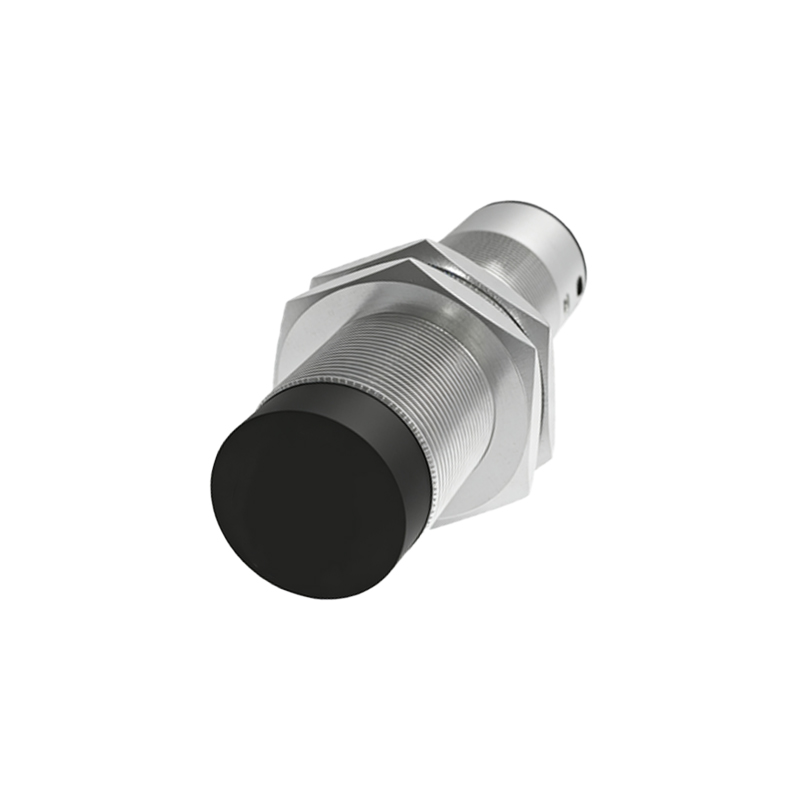
Advantages Over Alternative Sensing Technologies
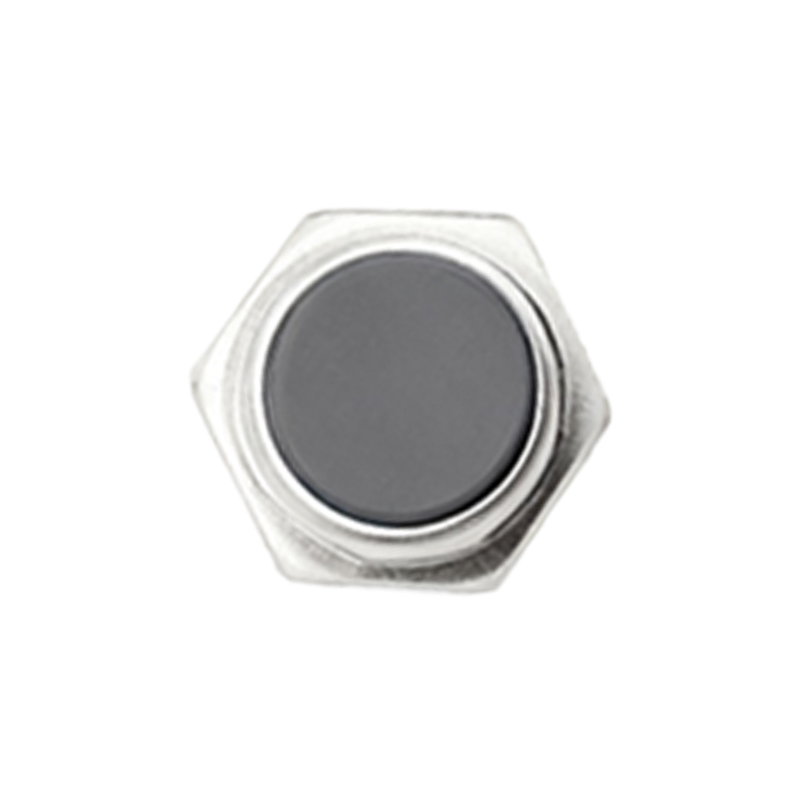
Radar proximity sensors offer distinct advantages that make them preferable in many applications. Their performance is largely unaffected by environmental factors like air composition, humidity, or temperature fluctuations, ensuring consistent accuracy. They can penetrate certain non-metallic materials, such as plastic or glass, allowing detection through barriers. With no moving parts, they require minimal maintenance and have a long operational lifespan. The ability to measure long ranges—up to several hundred meters in some models—provides flexibility in large-scale installations. Furthermore, advanced signal processing algorithms enable discrimination between multiple targets and filtering of background noise, enhancing reliability in complex scenarios.
Key Applications Across Various Industries
In the manufacturing sector, radar sensors optimize processes by monitoring production lines, controlling robotic arms, and ensuring quality through precise dimensional checks. The automotive industry employs them in assembly robots, collision avoidance systems, and vehicle testing for speed and distance validation. Within logistics and warehousing, they aid in automated guided vehicle (AGV) navigation, inventory management, and package sorting. Infrastructure and security applications include traffic monitoring, bridge clearance detection, and perimeter surveillance. In renewable energy, these sensors monitor wind turbine blade positions and solar panel alignment, contributing to efficient energy generation. Their versatility also extends to agriculture for monitoring grain levels and in mining for detecting equipment proximity in tunnels.
Technical Considerations for Implementation
Selecting and implementing radar proximity sensors requires careful consideration of several technical parameters. Frequency bands—such as 24 GHz, 60 GHz, or 77 GHz—affect resolution, range, and penetration capabilities. Output options, including analog (4-20 mA, 0-10 V) or digital (IO-Link, Ethernet), must align with control system requirements. Environmental ratings, like IP67 or NEMA 4X, ensure durability in specific conditions. Mounting position, beam angle, and field of view influence detection accuracy and should be planned to avoid obstructions. Calibration and configuration via software tools allow customization for specific targets and environments. Regular validation against known standards maintains measurement integrity over time.
Future Trends and Innovations
The future of radar proximity sensing is driven by miniaturization, enhanced integration, and smarter analytics. Emerging trends include the development of chip-scale radar sensors, which reduce size and cost while increasing deployment possibilities. Integration with the Industrial Internet of Things (IIoT) enables real-time data collection and predictive maintenance, where sensors communicate directly with cloud platforms for analysis. Artificial intelligence and machine learning algorithms are being incorporated to improve target classification and anomaly detection. Additionally, advancements in frequency-modulated continuous wave (FMCW) and pulse-Doppler radar techniques promise higher accuracy and faster response times. These innovations will expand applications in autonomous systems, smart cities, and advanced robotics, reinforcing the sensor's critical role in industrial automation.