Introduction to Sensing Technologies
In the realm of industrial automation and control, the ability to detect the presence, absence, or position of an object is fundamental. This critical function is fulfilled by sensors, with contact sensors and proximity switches representing two primary categories. While both serve the ultimate purpose of detection, their operating principles, applications, and advantages differ significantly. Contact sensors, as the name implies, require physical contact with the target object to operate. Proximity switches, on the other hand, detect objects without any physical contact, using various field-based or radiation-based principles. Understanding the distinction is crucial for selecting the right component for a given application, impacting system reliability, maintenance costs, and operational efficiency.
Understanding Contact Sensors
Contact sensors are electromechanical devices that operate through direct physical interaction. The most common example is the limit switch. When an object, such as a machine part on a conveyor, makes contact with the switch's actuator (a lever, roller, or plunger), it mechanically moves internal contacts. This action either opens or closes an electrical circuit, sending a signal to the control system. Their operation is simple, robust, and easy to understand. They are often used in applications where positive, physical detection is necessary or where the environment is too harsh for more sensitive non-contact sensors. However, their main drawback is mechanical wear and tear due to constant physical impact, leading to a finite operational lifespan. The need for contact also means they cannot detect fragile objects or operate at very high speeds without risk of damage.
Exploring Proximity Switches
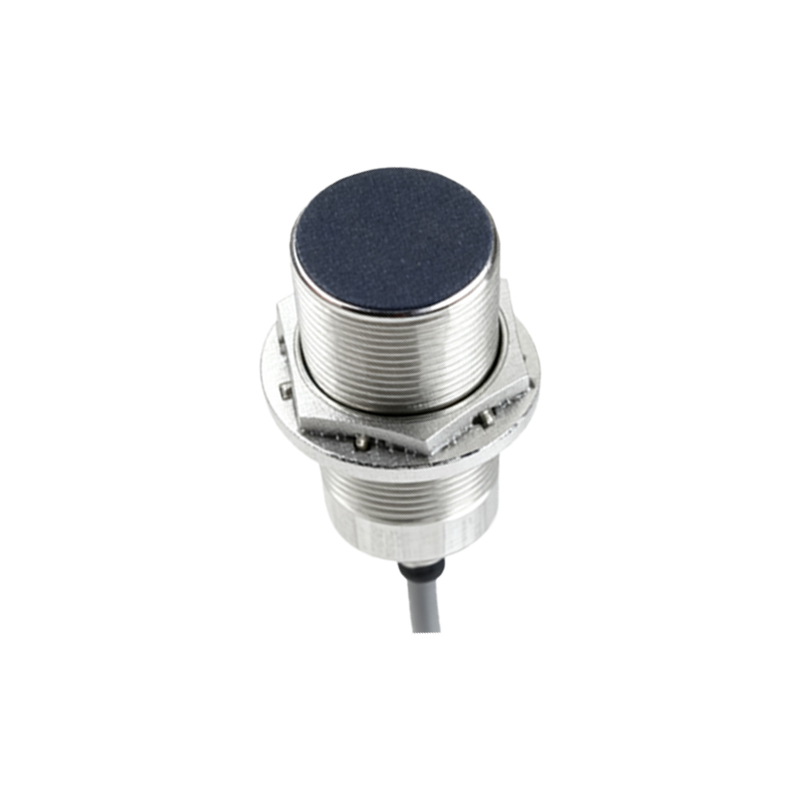
Proximity switches, or proximity sensors, detect the presence of an object within a specified sensing range without any physical contact. They achieve this by emitting a field or beam and monitoring changes in its state. The three most prevalent types are inductive, capacitive, and photoelectric. Inductive proximity switches generate an electromagnetic field and detect metallic (primarily ferrous) objects that disrupt this field. They are extremely reliable, wear-free, and ideal for detecting metal parts in machinery. Capacitive sensors can detect both metallic and non-metallic materials (like plastic, wood, or liquids) by sensing changes in capacitance caused by the target object. Photoelectric sensors use a light beam (visible, infrared, or laser) and detect objects that either interrupt (through-beam) or reflect (retro-reflective, diffuse) this beam, offering the longest sensing ranges.
Key Operational Differences
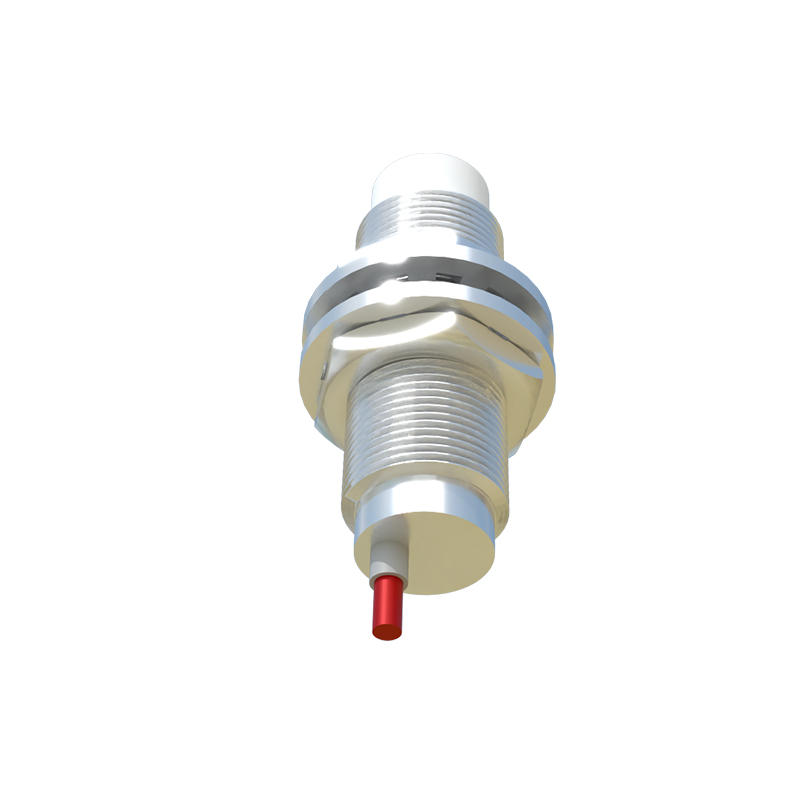
The core difference lies in the detection method: physical contact versus non-contact sensing. This leads to several practical implications. Contact sensors typically provide a very definitive, high-force actuation signal, which can be advantageous in safety-critical interlocks. Proximity switches offer much higher switching speeds and frequencies because they lack moving parts that need to settle. There is no mechanical wear in proximity switches, granting them a significantly longer service life in high-cycle applications. Furthermore, proximity switches can detect objects that are fragile, hot, oily, or otherwise unsuitable for physical contact. Their sensing range, while limited, allows for more flexible mounting and detection in confined spaces.
Application Scenarios and Selection Criteria
Choosing between a contact sensor and a proximity switch depends heavily on the application's specific demands. Contact limit switches are perfectly suited for end-of-travel detection on linear actuators, door position monitoring, or as emergency stop mechanisms where a positive mechanical action is desired. They are also often chosen for their lower initial cost and simplicity in non-demanding, low-speed environments. Proximity switches excel in high-speed counting or sorting applications on production lines, liquid level detection in tanks (capacitive), precise positioning of metal components in CNC machines (inductive), and detecting transparent objects on conveyors (photoelectric). The selection criteria should include: target material, required sensing distance, environmental conditions (dust, moisture, temperature), switching speed, electrical output type (PNP/NPN), and necessary housing style.
Advantages and Limitations Summary
Contact sensors boast advantages such as simplicity, robustness, high current switching capability, and insensitivity to environmental factors like dust or color. Their limitations include mechanical wear, limited operational speed, potential for target damage, and the necessity for physical contact. Proximity switches offer the benefits of non-contact operation, high speed and frequency, long operational life, and ability to detect a wide variety of materials. Their limitations often involve a higher initial cost, sensitivity to environmental interference (e.g., electrical noise for inductive, ambient light for photoelectric), and a finite, sometimes variable, sensing range that can be affected by the target material's properties.
Conclusion and Industry Trends
Both contact sensors and proximity switches are indispensable tools in industrial automation. The trend,