Introduction to Temperature Proximity Sensing
Temperature proximity sensors are critical components in modern industrial and electronic systems, designed to detect temperature changes in objects without direct physical contact. These sensors operate based on the principle of thermal radiation, where all objects emit infrared energy proportional to their temperature. By capturing this emitted energy, temperature proximity sensors can accurately measure surface temperatures from a distance, making them invaluable in applications where contact is impractical or hazardous. The technology leverages advanced materials and electronic circuits to convert thermal signals into readable data, ensuring precision and reliability in diverse environments.
Fundamental Working Principles
The core operation of temperature proximity sensors relies on infrared (IR) detection. Every object with a temperature above absolute zero emits IR radiation, which follows the Stefan-Boltzmann law, stating that the total energy radiated per unit surface area is proportional to the fourth power of its absolute temperature. Sensors use IR-sensitive elements, such as thermopiles or pyroelectric detectors, to absorb this radiation. These elements generate electrical signals—like voltage or current—that correlate with the intensity of the IR energy. Subsequently, signal processing circuits amplify and convert these signals into temperature readings, often calibrated to account for environmental factors like ambient temperature and emissivity of the target material.
Key Components and Sensor Types
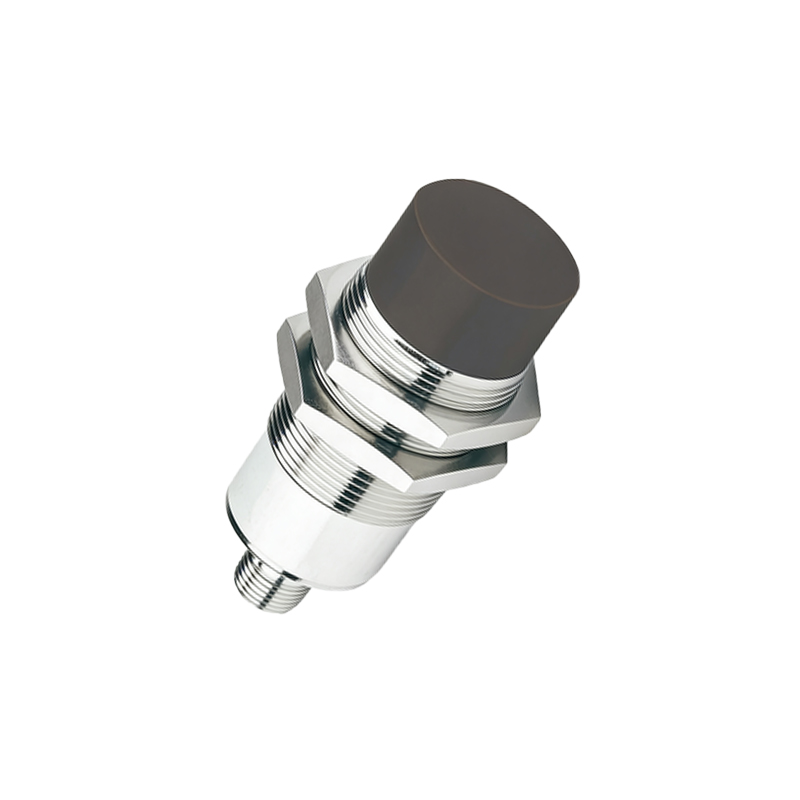
Temperature proximity sensors consist of several essential parts: an IR lens to focus radiation onto the detector, a sensing element to convert IR energy into electrical signals, and electronic circuitry for processing and output. Common types include non-contact infrared thermometers, thermal imaging cameras, and pyrometers. Each type varies in accuracy, range, and application; for instance, pyrometers are ideal for high-temperature industrial processes, while infrared thermometers suit medical or HVAC uses. Advanced sensors may incorporate microprocessors for digital output and connectivity features, enabling integration with IoT systems for real-time monitoring and control.
Applications Across Industries
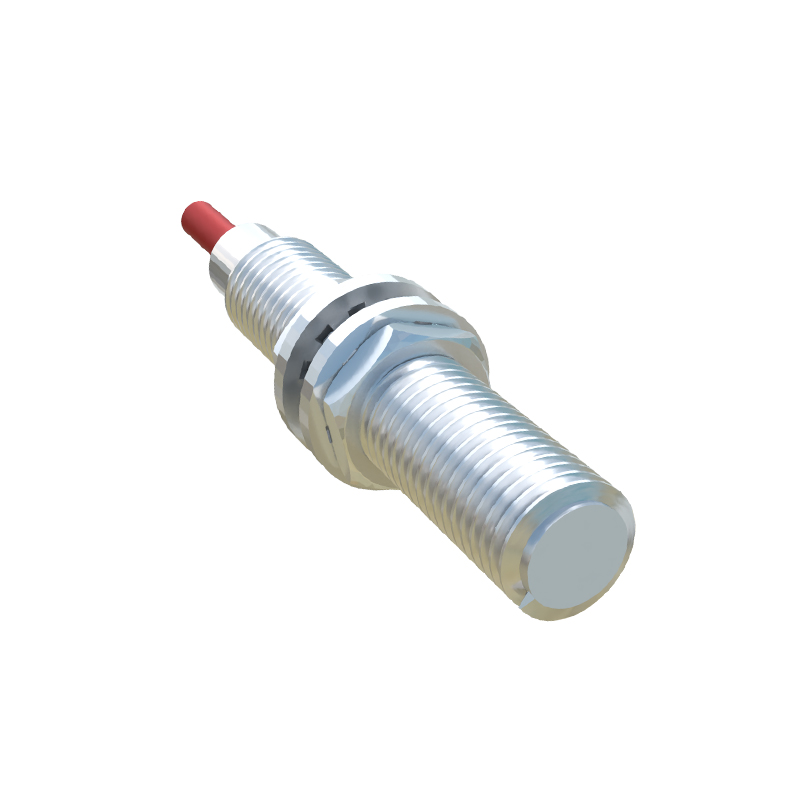
These sensors find widespread use in numerous sectors due to their non-invasive nature. In manufacturing, they monitor machinery temperatures to prevent overheating and ensure operational safety. In healthcare, infrared thermometers enable quick fever screening without physical contact. The automotive industry employs them for engine management and climate control systems, while building automation relies on sensors for energy-efficient HVAC regulation. Additionally, they play a role in food processing, electronics testing, and environmental monitoring, highlighting their versatility in maintaining quality and safety standards.
Advantages and Limitations
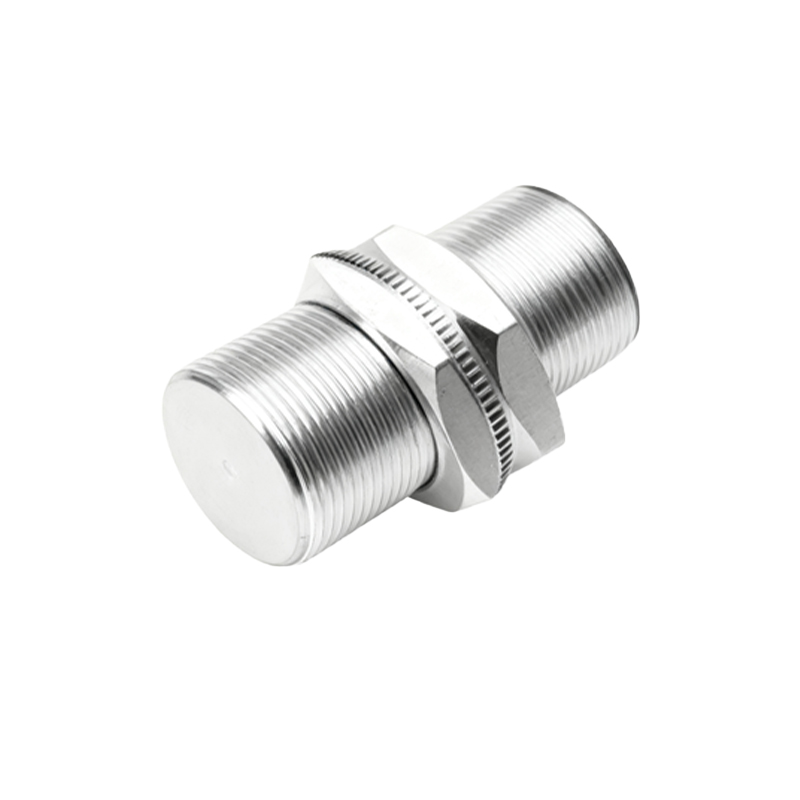
Temperature proximity sensors offer significant benefits, including rapid response times, the ability to measure moving or inaccessible objects, and minimal maintenance requirements. They reduce contamination risks in sterile environments and enhance safety by avoiding direct contact with hot surfaces. However, limitations exist: accuracy can be affected by factors like dust, humidity, or reflective surfaces, and they may require calibration for specific materials. Emissivity variations—the efficiency of an object in emitting IR energy—also pose challenges, necessitating careful setup and sometimes complementary contact sensors for critical applications.
Future Trends and Innovations
The evolution of temperature proximity sensors is driven by advancements in materials science and digital technology. Emerging trends include the development of miniaturized sensors with higher sensitivity, enabled by nanomaterials like graphene. Integration with artificial intelligence allows for predictive analytics, where sensors not only measure temperature but also forecast potential failures in systems. Wireless and energy-harvesting designs are expanding their use in remote or portable devices. As industries embrace smart automation and Industry 4.0, these sensors will become more interconnected, offering enhanced data accuracy and broader application scopes, from precision agriculture to personalized healthcare.