Understanding Proximity Switch Sensor Operation
Proximity switch sensors are fundamental components in industrial automation, providing non-contact detection of metallic objects. They operate by generating an electromagnetic field. When a metallic target enters this field, it induces eddy currents, causing a change in the sensor's oscillation amplitude. This change is detected by the internal circuitry, which then triggers a solid-state output signal. The reliability of this process hinges on the integrity of the sensor's wiring. Proper installation and shielding are paramount to prevent external interference and ensure accurate, repeatable detection. Any compromise to the wiring, such as insulation damage leading to contact or shorting, directly interferes with this sensitive electronic process, leading to a cascade of potential failures.
Immediate Electrical Consequences of Wire Contact
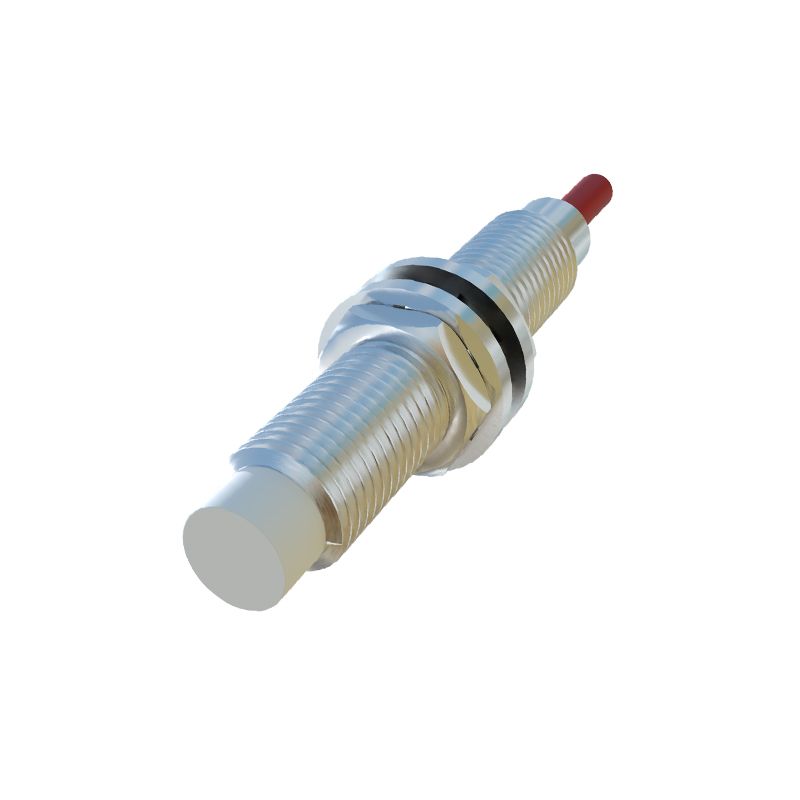
When the insulated wires of a proximity sensor come into contact—typically a short between the supply voltage line, output line, or ground—the immediate effect is an electrical fault. This can manifest as a direct short circuit, causing an overcurrent condition. In such scenarios, the sensor's internal protection circuitry may activate, leading to a complete shutdown to prevent damage. Alternatively, if unprotected, the surge can damage the oscillator coil, the output transistor, or the integrated circuitry. This often results in a permanent failure where the sensor stops switching entirely, outputs a constant signal regardless of target presence, or exhibits erratic, unpredictable behavior. The connected programmable logic controller (PLC) or input module may register a fault or receive a false, continuous signal.
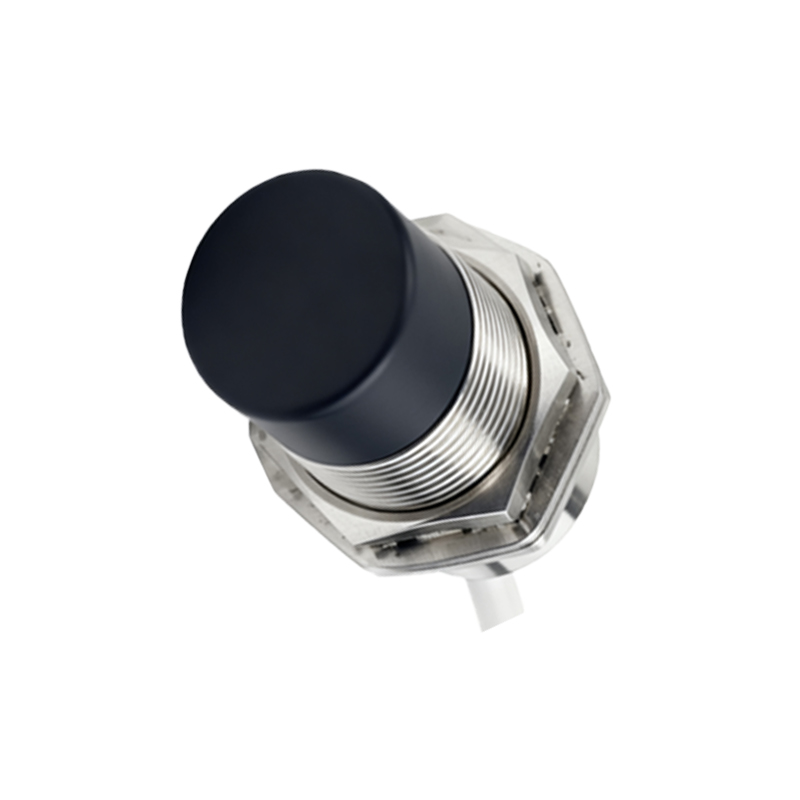
Impact on Signal Integrity and System Performance
Even if a direct short does not occur, partial contact or compromised insulation can lead to signal degradation. Electromagnetic interference (EMI) or noise can be introduced into the signal line. This noise can cause the sensor to trigger falsely, detecting a target when none is present, or failing to detect an actual target. In high-speed automation lines, such as packaging or assembly, these false signals can lead to misplaced products, incorrect machine cycles, or unscheduled stoppages. The system's performance becomes unreliable, reducing overall equipment effectiveness (OEE). Diagnosing such intermittent issues is often time-consuming, as the problem may not be consistent and can be mistaken for mechanical or programming errors.
Potential for Cascading System Damage
The repercussions of a proximity sensor wire fault are rarely confined to the sensor itself. A constant erroneous signal sent to a PLC can cause a machine to execute incorrect logic sequences. For instance, a robotic arm might receive a signal that a part is in place when it is not, leading to a collision or a dangerous operation. In control systems managing actuators or solenoids, a stuck-on signal can cause these components to remain energized, leading to overheating, mechanical wear, or even burnout. This cascading effect amplifies downtime and repair costs significantly, as multiple components may require replacement. Furthermore, in safety-critical applications, such wire contact faults could potentially compromise safety interlocks, posing a risk to personnel and equipment.
Diagnosis and Preventive Best Practices
Diagnosing a wire contact issue involves systematic troubleshooting. Technicians should first verify the sensor's output using a multimeter or an oscilloscope to check for signal stability and the presence of noise. Insulation resistance tests using a megohmmeter can identify degraded insulation between conductors. Visually inspecting the cable for pinch points, abrasion, or exposure to chemicals is crucial. To prevent such faults, adherence to best practices is essential. This includes using proper cable glands and strain relief to prevent pulling on terminations, routing sensor cables separately from high-power AC lines to avoid inductive coupling, and employing shielded cables with proper grounding at one end. Regular preventive maintenance schedules should include checks for cable integrity and connection tightness.
Conclusion: Ensuring Long-Term Reliability
Wire contact in proximity switch sensors is a serious fault that transcends a simple connection issue. It initiates from electrical malfunction and can propagate into systemic unreliability, production losses, and heightened safety risks. Understanding the operational principles of these sensors highlights why wiring integrity is non-negotiable. By implementing rigorous installation standards, employing appropriate cabling and shielding techniques, and incorporating wiring checks into routine maintenance, engineers can safeguard system integrity. This proactive approach minimizes unplanned downtime, ensures consistent production quality, and protects the broader automation investment, ensuring the long-term, reliable performance expected from modern industrial control systems.