Introduction to Proximity Sensor Ceramics
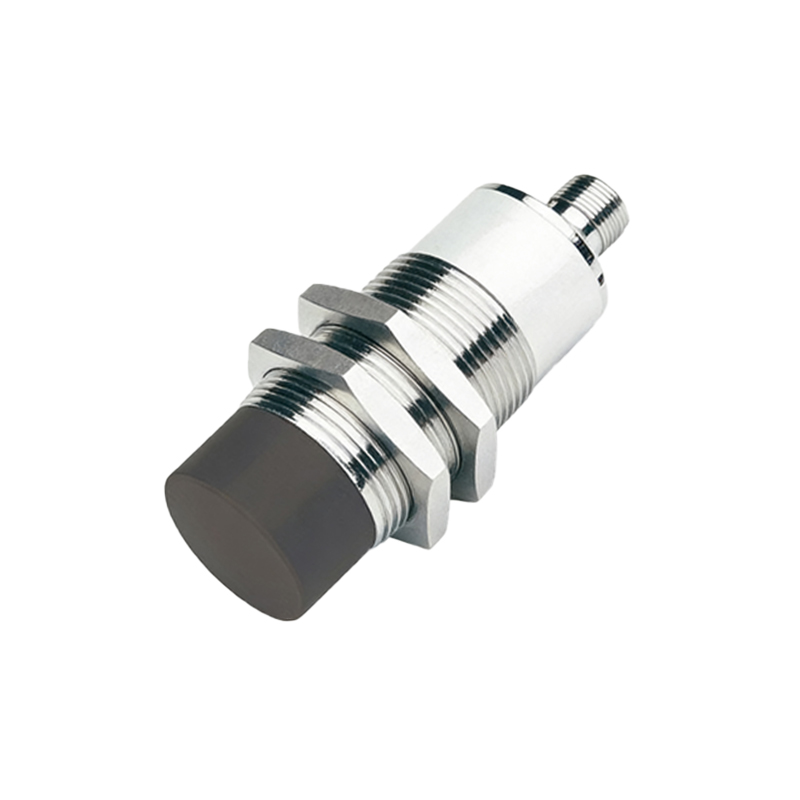
Proximity sensor ceramics refer to the specialized ceramic materials, primarily advanced technical ceramics like alumina (Al2O3) and zirconia (ZrO2), used in the construction of sensing faces or housings for inductive and capacitive proximity sensors. These non-contact sensors detect the presence or absence of metallic or non-metallic objects. The ceramic component is critical as it forms the protective barrier between the sensor's internal electronics—the coil and ferrite core in inductive types or the electrode in capacitive types—and the often harsh external environment. This choice of material fundamentally influences the sensor's performance, durability, and suitability for specific applications, ranging from food processing to heavy machinery.
Key Advantages of Ceramic Sensing Faces
The primary advantage of using ceramics in proximity sensors is their exceptional resistance to wear and abrasion. In environments where the sensor face may be subjected to constant scraping, impact, or contact with abrasive materials, a ceramic face will outlast polymer or metal alternatives by a significant margin. This translates to reduced downtime and maintenance costs. Secondly, ceramics offer superb chemical inertness. They are highly resistant to a vast array of corrosive chemicals, solvents, acids, and alkalis. This makes ceramic-housed sensors ideal for aggressive industrial settings like chemical plants or washdown areas in food and beverage production, where stainless steel might still be vulnerable to pitting or corrosion over time.
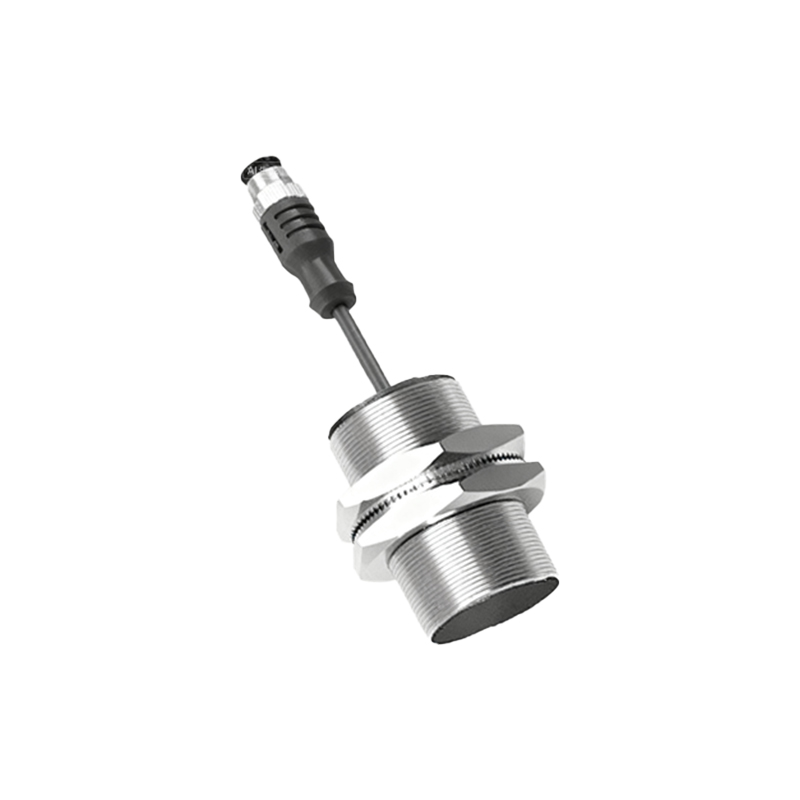
Furthermore, ceramics maintain excellent performance stability across a wide temperature range. They exhibit minimal thermal expansion, ensuring the sensing distance and characteristics remain consistent even with fluctuating ambient temperatures. This is crucial for processes requiring high precision. Another significant benefit is in capacitive sensing applications. For sensors designed to detect non-metallic materials (e.g., plastics, glass, liquids), a ceramic dielectric face provides a stable and predictable field, enhancing sensitivity and repeatability compared to some polymer faces that might absorb moisture or change properties.
Notable Disadvantages and Limitations
Despite their strengths, ceramic proximity sensors come with distinct drawbacks. The most prominent is brittleness and susceptibility to mechanical shock. While exceptionally hard and wear-resistant, ceramic is not impact-tolerant. A sharp blow or excessive mechanical stress can cause cracking or chipping, leading to immediate sensor failure. This limits their use in applications where they might be accidentally struck by tools or heavy, misaligned parts. Installation requires greater care to avoid overtightening mounting nuts, which can create stress fractures.
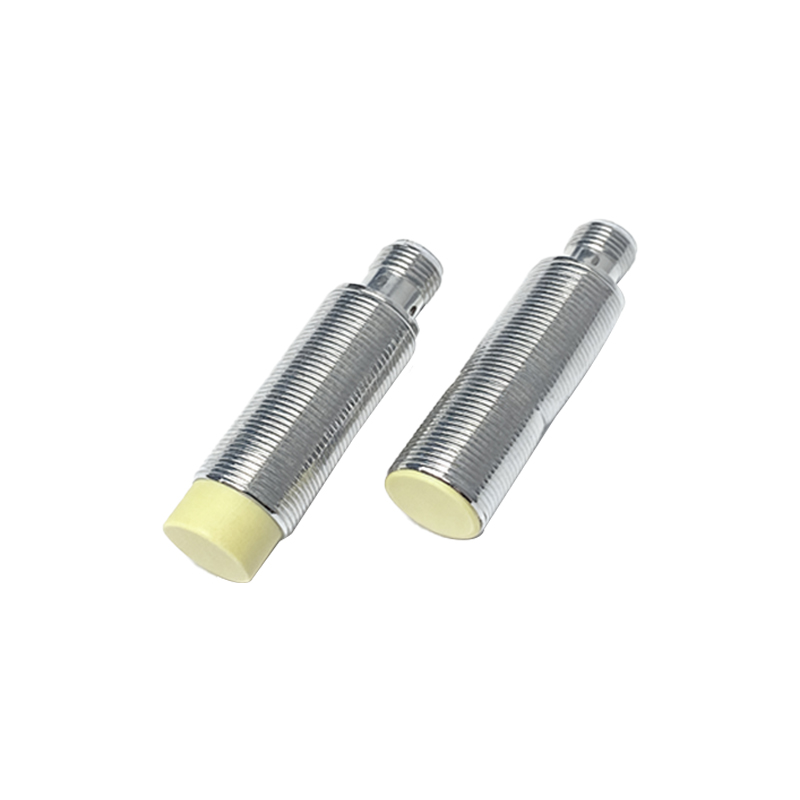
Another limitation is the reduced sensing range compared to sensors with plastic faces, particularly for inductive types. The electromagnetic field generated by the sensor's coil is somewhat attenuated when it must pass through the ceramic material. Consequently, a ceramic-faced inductive sensor might have a nominal sensing distance that is 10-25% less than an equivalent sensor with a PBT or PA polymer face. Engineers must account for this derating during system design. Additionally, ceramics are generally more expensive as a raw material and are more challenging to machine into complex shapes than plastics. This higher unit cost can be a deciding factor for high-volume applications where extreme durability is not the primary concern.
Comparison with Polymer and Metal Housings
Understanding the position of ceramic sensors requires a brief comparison. Polymer housings, typically made from engineering plastics like PBT or PPS, offer excellent cost-effectiveness, good chemical resistance to many substances, and better resistance to impact. They also allow for longer sensing ranges and more flexible, intricate housing designs. However, they fall short in extreme abrasive and chemical environments. Metal housings, usually nickel-plated brass or stainless steel, provide great mechanical strength and are standard for many inductive sensors. Yet, they can be prone to corrosion from specific chemicals and are not suitable for capacitive sensing of non-metals. Ceramics, therefore, occupy a niche where extreme abrasion resistance, chemical purity, or specific capacitive sensing performance are paramount, justifying the trade-offs in cost and fragility.
Optimal Application Scenarios
Ceramic proximity sensors excel in well-defined, demanding applications. They are the preferred choice in the food, pharmaceutical, and chemical industries for their hygienic, non-porous surface and resistance to aggressive cleaning agents and steam sterilization (CIP/SIP processes). In metalworking and automotive manufacturing, they are deployed where weld spatter or metal chips would quickly degrade a plastic face. They are also invaluable in woodworking and textile machinery for detecting non-metallic materials in dusty or abrasive conditions. The key is to deploy them in fixed, well-protected locations where the risk of direct impact is minimized, and their superior material properties can be fully leveraged to ensure long-term, reliable operation.
Conclusion and Selection Guidance
In summary, proximity sensor ceramics offer a compelling set of advantages centered on extreme durability against wear