Introduction to Proximity Sensors in Material Handling
In the realm of industrial material handling, electric stackers are indispensable for lifting and transporting loads with precision and power. A critical component ensuring their safe and efficient operation is the proximity sensor. These non-contact detection devices play a pivotal role in modern electric stackers by identifying the presence or absence of objects within a defined range without physical contact. Unlike mechanical limit switches, proximity sensors offer higher reliability, longer service life, and immunity to environmental contaminants like dust and moisture, making them ideal for demanding warehouse and factory environments. Their integration into electric stackers represents a significant advancement in automation and safety protocols, directly contributing to reduced downtime and enhanced operational workflows.
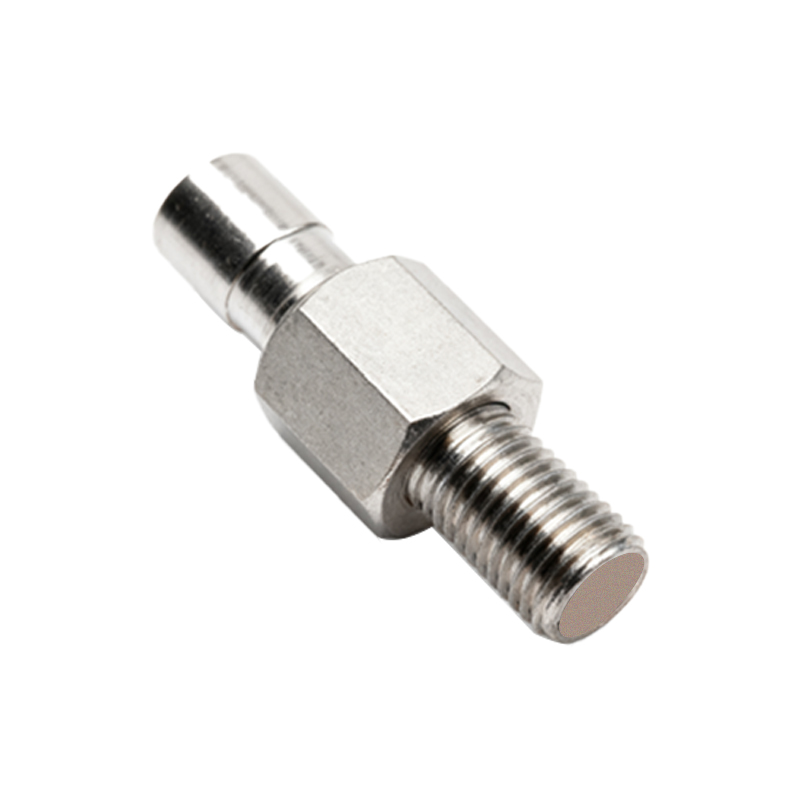
Types of Proximity Sensors Used in Electric Stackers
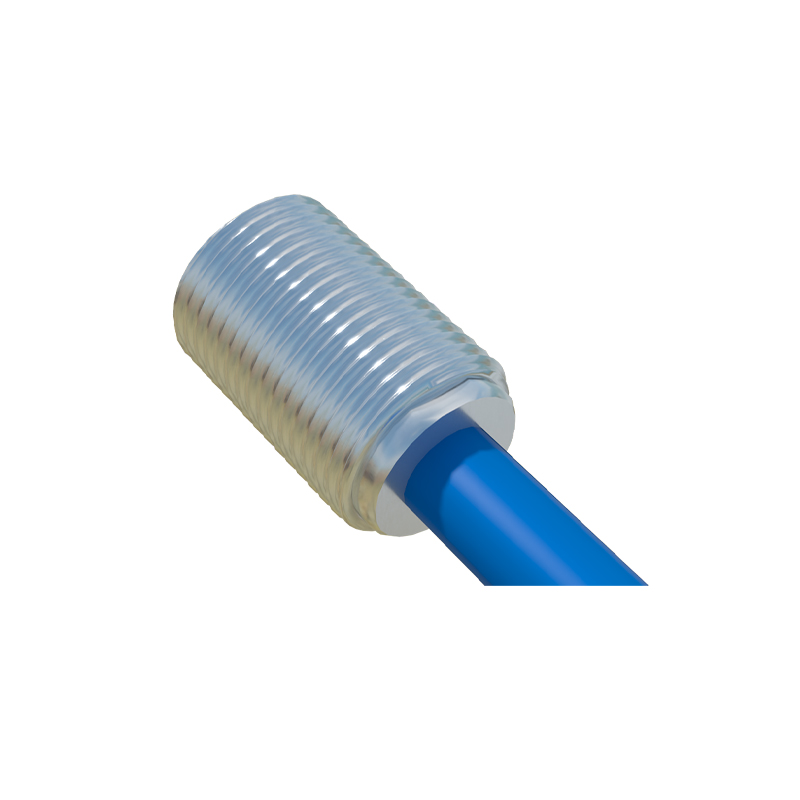
Electric stackers commonly utilize several types of proximity sensors, each suited for specific applications based on detection principles. Inductive proximity sensors are widely employed for detecting metallic objects, such as forks or pallets, using electromagnetic fields. They are robust and perfect for position sensing in lifting mechanisms. Capacitive proximity sensors can detect both metallic and non-metallic materials, including liquids and plastics, making them useful for load presence verification. Ultrasonic sensors use sound waves to measure distance to objects, aiding in obstacle detection and height control during stacking operations. Lastly, photoelectric sensors, which use light beams, are excellent for precise detection over longer ranges, often used in alignment and racking systems. Selecting the appropriate type depends on factors like target material, sensing range, and environmental conditions.
Key Functions and Applications in Stacker Operations
Proximity sensors in electric stackers serve multiple vital functions that enhance both safety and productivity. One primary application is fork positioning and height control, where sensors accurately determine the lift height to prevent collisions with overhead structures or ensure proper pallet placement. They also enable load detection, verifying if a load is securely on the forks before movement, thus preventing accidents. In safety interlocks, sensors monitor access doors or guards, ensuring the stacker operates only when all safety conditions are met. Additionally, they facilitate automated guidance systems by detecting guide paths or markers, allowing for semi-autonomous navigation in warehouses. By providing real-time feedback to the stacker's control system, these sensors enable smooth, automated cycles that minimize human error and optimize throughput.
Benefits of Advanced Proximity Sensing Technology
The adoption of advanced proximity sensors in electric stackers delivers substantial benefits across operational metrics. Safety is significantly improved through reliable object detection, reducing the risk of collisions, tip-overs, and damage to goods or infrastructure. Efficiency gains are achieved by enabling faster, more precise operations, as sensors allow for quick automated responses without manual intervention. This leads to increased productivity and lower labor costs. Durability is another key advantage; with no moving parts in contact, sensors experience less wear and tear, resulting in reduced maintenance requirements and longer lifespans. Furthermore, their ability to operate in harsh conditions—such as exposure to vibrations, temperature variations, and contaminants—ensures consistent performance, enhancing overall equipment reliability and uptime in industrial settings.
Installation, Calibration, and Maintenance Best Practices
Proper installation and maintenance are crucial for maximizing the performance of proximity sensors in electric stackers. During installation, sensors must be mounted securely in locations protected from direct impact, with correct alignment to the target area to ensure accurate detection. Calibration involves setting the sensing range and sensitivity according to the manufacturer's specifications, often using potentiometers or digital interfaces, to avoid false triggers or missed detections. Regular maintenance should include visual inspections for physical damage, cleaning of sensor faces to remove dirt or debris, and testing functionality through operational checks. It is also important to monitor electrical connections for corrosion or looseness. Adhering to these practices helps prevent unexpected failures, extends sensor life, and maintains optimal stacker performance, ultimately supporting a safer and more efficient material handling environment.
Future Trends and Innovations in Sensor Integration
The future of proximity sensors in electric stackers is poised for exciting innovations driven by Industry 4.0 and smart manufacturing trends. Emerging technologies include the integration of IoT (Internet of Things) capabilities, allowing sensors to transmit real-time data on performance and health to centralized monitoring systems for predictive maintenance. Enhanced sensor fusion, combining proximity data with inputs from cameras or LiDAR, will enable more sophisticated environmental awareness and autonomous navigation. Miniaturization of sensors will permit their deployment in tighter spaces without compromising functionality. Additionally, developments in wireless and energy-harvesting sensors could reduce wiring complexity and enhance flexibility in stacker design. These advancements promise to further elevate the safety, efficiency, and intelligence of electric stackers, paving the way for fully automated