Introduction to Proximity Sensor Construction
Proximity sensors, essential components in industrial automation and control systems, are designed to detect the presence or absence of an object without physical contact. Their internal construction is a key factor determining their sensing capabilities, durability, and suitability for specific environments. A common inquiry among engineers and procurement specialists is the material composition of these devices, particularly regarding the use of conductive metals like copper. Understanding the materials used is crucial for applications involving extreme temperatures, corrosive atmospheres, or specific electrical interference requirements.
Core Components and Material Selection
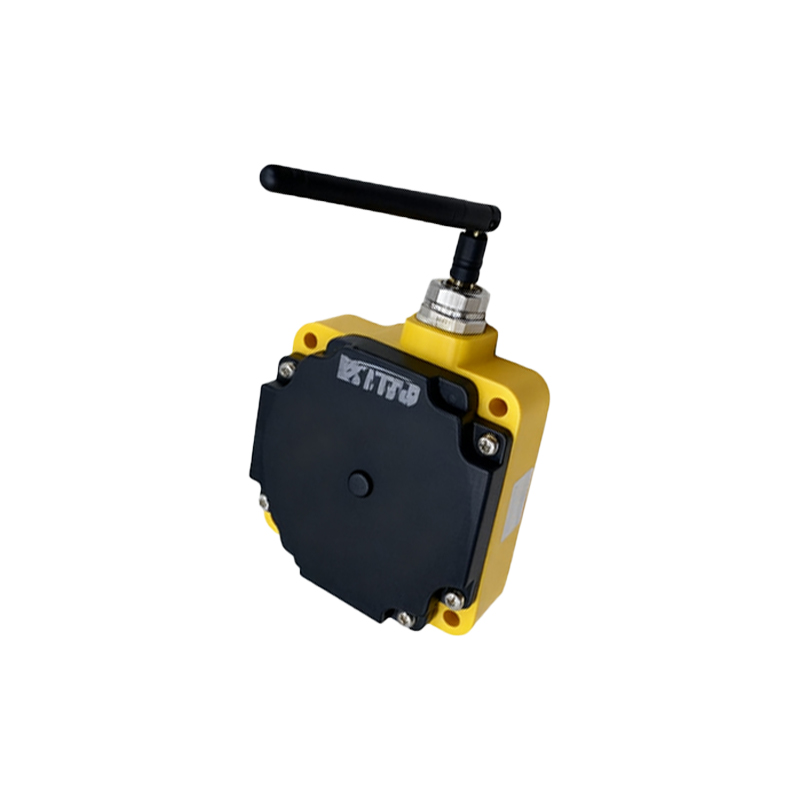
The internal architecture of a standard inductive proximity sensor typically consists of several key parts: an oscillator circuit, a detection coil, a signal amplifier, and an output switching circuit. The detection coil is a fundamental element. For inductive sensors, which detect metallic objects, this coil is invariably wound from an electrically conductive wire. Copper, due to its excellent electrical conductivity, malleability, and cost-effectiveness, is the predominant material for winding these coils. The copper wire is often coated with a thin insulating enamel. Therefore, the direct answer is yes, most standard inductive proximity sensors contain copper within their coil windings. This copper coil generates the oscillating electromagnetic field that is disturbed by the presence of a metallic target, triggering the sensor's output.
Sensor Housing and Active Face Considerations
While the internal electronics rely on copper, the external housing and the active sensing face are constructed from different materials. The housing, which provides mechanical protection and environmental sealing (often rated IP67 or higher), is typically made from materials like nickel-plated brass, stainless steel, or various engineering plastics such as PBT or PPS. The active face, the area from which the electromagnetic field emanates, is a critical design point. In many sensors, this face is made from a non-ferrous, non-metallic material like a specific plastic or ceramic compound. This is intentional; a metallic face would interfere with the sensor's own field. Crucially, some sensors designed for welding environments (welding-field immune sensors) or other high-interference areas may use specific alloys or have shielding, but the core coil remains copper-based.
Exceptions and Specialized Sensor Types
Not all proximity sensor variants use copper in the same way or at all. Capacitive proximity sensors, which can detect both metallic and non-metallic materials, also utilize copper in their internal electrode plates and circuit traces due to its superior conductivity. However, photoelectric sensors, which operate on a light beam principle, may have minimal copper, limited to their internal PCB traces and connector pins. The primary components are LEDs, phototransistors, and optical elements. Furthermore, in extremely high-temperature or highly corrosive applications where standard enameled copper wire might fail, specialized sensors might employ silver-plated or nickel-plated copper wire, or in rare cases, alternative materials, though copper often remains the base due to its unmatched conductive properties.
Implications for Specific Applications
The presence of copper has practical implications for system design. First, in environments with high levels of electromagnetic interference (EMI), the sensor's copper coil and associated circuitry must be properly shielded, often within a metal housing, to prevent false triggering. Second, for applications in the food and beverage or pharmaceutical industries where material traceability and prevention of contamination are paramount, sensors often have external housings certified to specific standards (e.g., FDA-compliant plastics, 316L stainless steel), but the internal copper is sealed and poses no risk. Third, in explosive atmospheres (ATEX/IECEx zones), the sensor's entire design, including how its copper circuits manage energy, is certified to prevent ignition.
Recycling and End-of-Life Considerations
From a sustainability and lifecycle perspective, the copper content in proximity sensors is a valuable resource. At the end of the sensor's operational life, the device can and should be recycled through appropriate electronic waste (e-waste) channels. The recovery of copper, along with other metals like brass from the housing and tin/lead from solder, is an important step in reducing the environmental impact of industrial components. Engineers specifying sensors for large-scale installations may consider the manufacturer's policies regarding recyclability and material declarations.
Conclusion and Specification Guidance
In summary, copper is a fundamental material in the construction of the vast majority of inductive and capacitive proximity sensors, primarily within the electromagnetic coil and printed circuit boards. Its properties are essential for generating and managing the detection fields. When selecting a sensor, engineers should consult the manufacturer's detailed datasheets and material declarations. Key specifications to review include the housing material, sensing face material, temperature rating (which indirectly informs on wire insulation limits), and any special certifications (