What is a Proximity Sensor?
A proximity sensor is a non-contact electronic device designed to detect the presence or absence of an object within its sensing range without any physical contact. In the manufacturing and industrial automation sectors, these sensors are fundamental components, acting as the "eyes" of a machine or system. They convert information about the presence, position, or movement of a target object into an electrical signal. This signal is then processed by a control system, such as a Programmable Logic Controller (PLC), to trigger subsequent actions like starting a process, counting parts, or ensuring safety. Unlike mechanical limit switches, proximity sensors offer high reliability, long operational life, and fast response times because there is no physical wear from contact.
Core Operating Principles
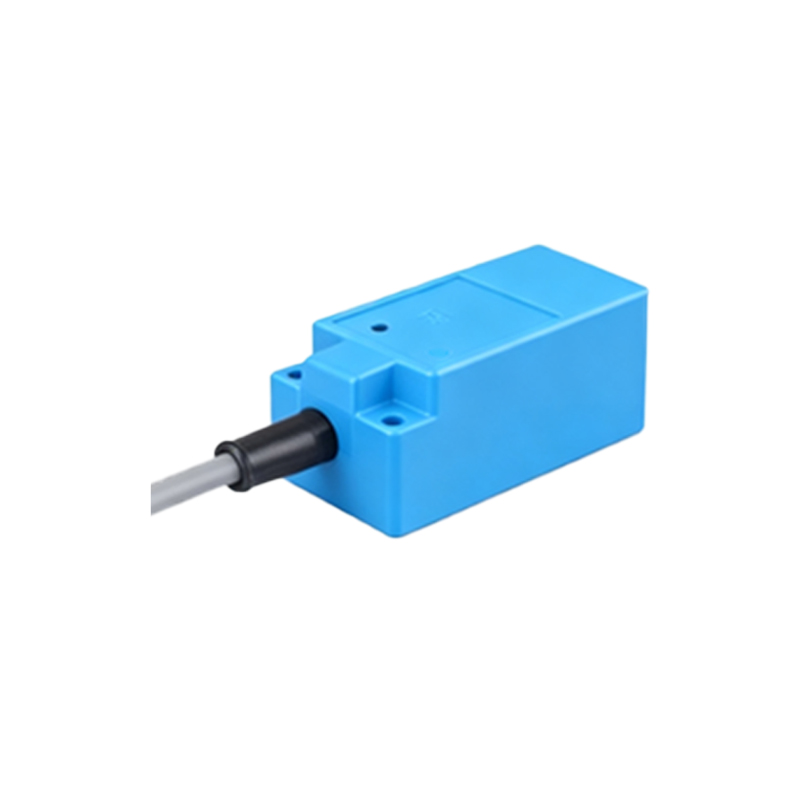
Proximity sensors function based on different physical principles, each suited for specific applications and target materials. The most common types are inductive, capacitive, and photoelectric. Inductive proximity sensors generate an electromagnetic field and detect the eddy current losses caused when a metallic object enters this field. They are exclusively for detecting metals. Capacitive proximity sensors can detect both metallic and non-metallic materials (like plastic, wood, or liquids) by measuring changes in capacitance caused by the object's dielectric constant altering an electrostatic field. Photoelectric sensors use a light beam (visible, infrared, or laser) and detect the target by either the interruption (through-beam) or reflection (retro-reflective, diffuse) of this beam.
Key Specifications and Selection Criteria
Selecting the correct proximity sensor is critical for system performance. Key specifications include sensing distance, which is the nominal range at which the sensor can reliably detect a standard target. Repeat accuracy, the consistency of detection at the same point, is vital for precision applications. The housing material (often nickel-plated brass or stainless steel) determines environmental durability against chemicals, oils, or washdowns. Output type is another crucial factor: NPN (sinking) or PNP (sourcing) transistor outputs for DC sensors, and two-wire AC/DC options. Engineers must also consider the target material, size, shape, required switching frequency (speed), and environmental conditions like temperature, humidity, and potential interference.
Primary Applications in Industrial Automation
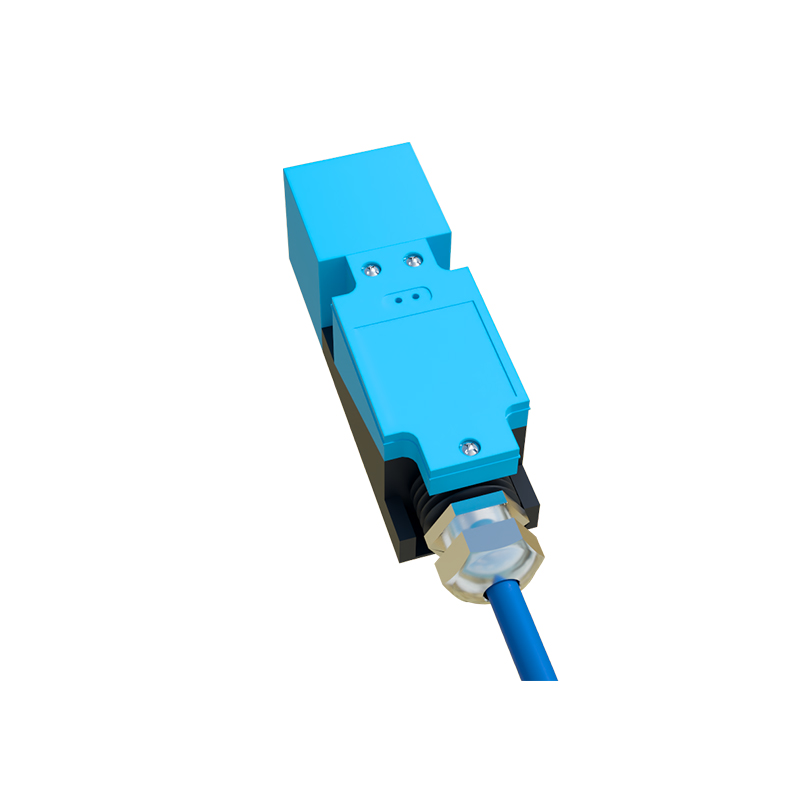
The applications of proximity sensors in manufacturing are vast and integral to modern automation. They are ubiquitously used for object detection on conveyor lines for counting, sorting, and verifying part presence. In machine tools, they provide precise position feedback for robotic arms, tool changers, and end-of-travel limits. They enable jam detection in material handling systems and ensure safety by monitoring guard door positions. In packaging machinery, they detect fill levels, cap presence, and label position. Their non-contact nature makes them perfect for detecting fragile items or in high-speed applications where physical contact is impossible or undesirable.
Advantages Over Mechanical Switches
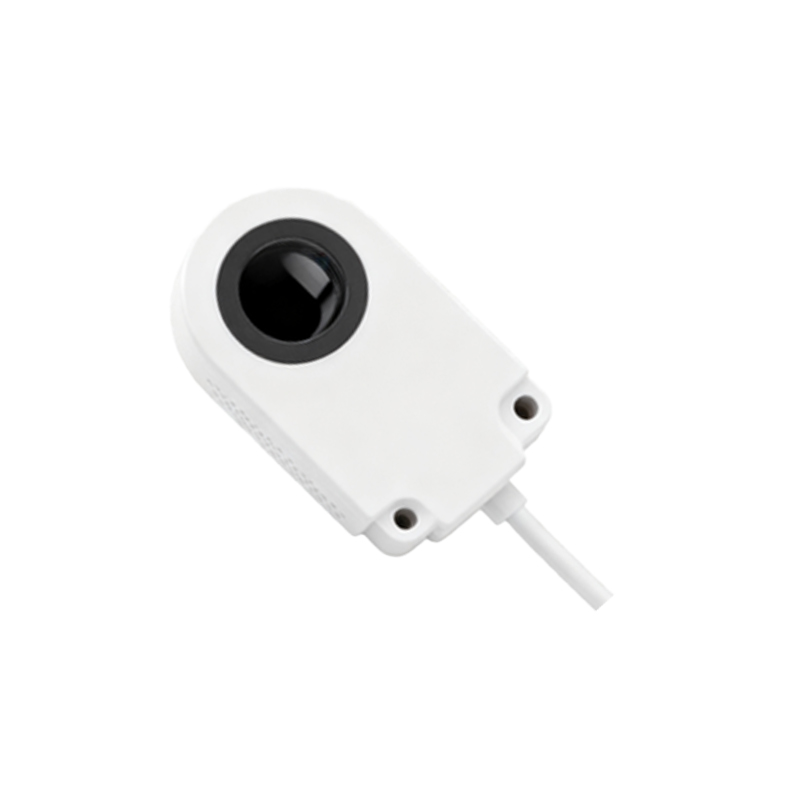
The shift from mechanical limit switches to electronic proximity sensors has driven significant efficiency gains. The foremost advantage is the absence of mechanical wear, leading to exceptionally long service life and reduced maintenance. They offer much faster response times, capable of detecting objects at speeds exceeding several thousand operations per minute. Their solid-state construction provides high resistance to vibration, shock, and environmental contaminants. Furthermore, they allow for more flexible and compact machine design, as they can be embedded or mounted in tight spaces. The consistent performance and reliability directly contribute to increased machine uptime and overall equipment effectiveness (OEE).
Installation and Troubleshooting Tips
Proper installation is paramount for reliable operation. Sensors must be mounted securely to minimize vibration effects. Maintaining the correct sensing distance and accounting for the sensor's "blind zone" (the area closest to the face where detection is not possible) is essential. For inductive sensors, ensuring the target material and size meet specifications is crucial. A common issue is electrical interference; using shielded cables and proper grounding techniques can mitigate noise from motors or frequency drives. Basic troubleshooting involves checking power supply voltage, verifying output state with a multimeter or indicator lamp, and ensuring the target is within range and moving correctly. Understanding the sensor's datasheet is the first step in both installation and diagnostics.
The Future of Sensing Technology
The evolution of proximity sensors continues alongside Industry 4.0 and smart manufacturing trends. Modern sensors are becoming more intelligent, incorporating IO-Link communication to provide not just a simple on/off signal, but also diagnostic data like operating temperature, signal strength, and wear indicators for predictive maintenance. Miniaturization allows for integration into increasingly compact devices. Furthermore, sensors with enhanced immunity to electromagnetic interference and capable of detecting specific types of metals or colors are expanding application possibilities. The future points towards sensors that are more connected, informative, and robust, forming a critical