Understanding High Precision Proximity Sensors
High precision proximity sensors represent a critical component in modern industrial automation, offering non-contact detection of objects with exceptional accuracy and reliability. Unlike standard sensors, high-precision variants are engineered to deliver consistent performance in demanding environments, detecting minute positional changes, ultra-small targets, or operating at significantly higher switching frequencies. These sensors utilize various technologies, including inductive, capacitive, and magnetic principles, each selected based on the target material, required sensing distance, and environmental conditions. The core value lies in their ability to provide repeatable, micron-level accuracy, which is indispensable for applications like precision assembly, robotic guidance, semiconductor manufacturing, and high-speed packaging lines. This foundational accuracy ensures process stability, reduces waste, and enhances overall equipment effectiveness (OEE).
The Imperative for Bulk Customization in Industry
While off-the-shelf sensors serve many purposes, the complexities of advanced manufacturing often necessitate tailored solutions. Bulk customization of high precision proximity sensors is not merely a procurement option but a strategic necessity for achieving peak operational performance. Standard sensors may fall short in unique scenarios involving extreme temperatures, aggressive chemicals, intense washdowns, space constraints, or specific electrical output requirements. Customization allows for the optimization of key parameters such as sensing range, housing material (e.g., stainless steel, PBT, PVDF), connector type, output configuration (PNP/NPN, analog, IO-Link), and form factor. By ordering in bulk, companies secure a reliable supply of sensors perfectly adapted to their machinery, ensuring interoperability, simplifying inventory management, and often achieving significant cost savings per unit compared to purchasing modified standard parts in smaller quantities.
Key Customization Parameters and Considerations
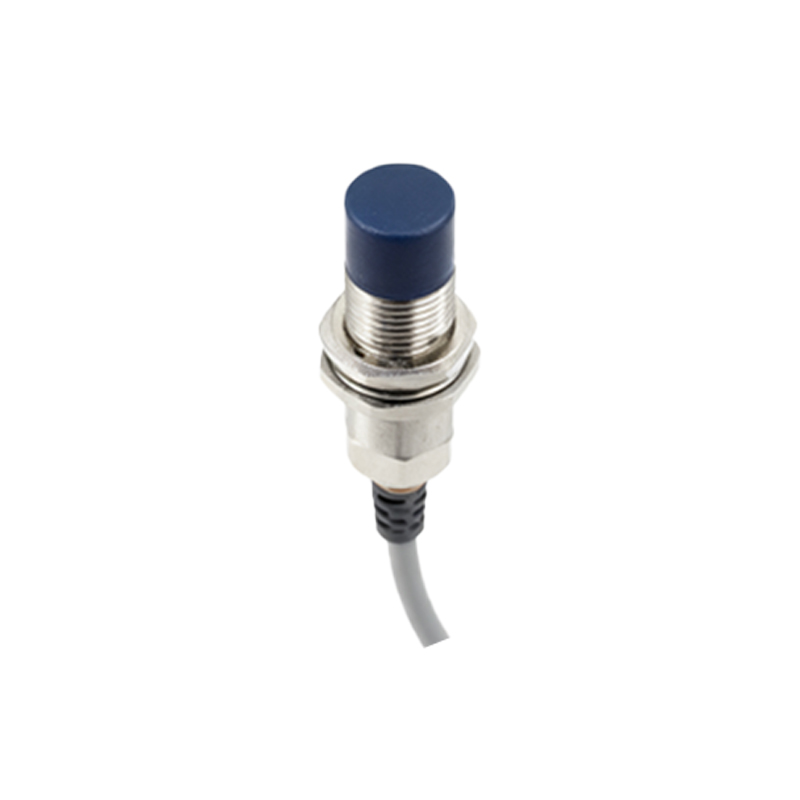
A successful bulk customization project hinges on a detailed specification process. Primary parameters include the electrical characteristics, such as operating voltage, output current, and short-circuit protection. The sensing performance must be meticulously defined: nominal sensing distance, repeatability tolerance, hysteresis, and response time. Mechanical design is equally crucial, encompassing the housing's shape, size, thread type, and ingress protection (IP) rating—like IP67 or IP69K for harsh environments. Material selection for the housing and sensing face must withstand operational stresses, whether it's mechanical impact, thermal cycling, or exposure to oils and coolants. Furthermore, integration with Industry 4.0 systems often demands built-in smart features like diagnostic capabilities via IO-Link, which enables predictive maintenance and data collection for process optimization.
The Collaborative Engineering Process
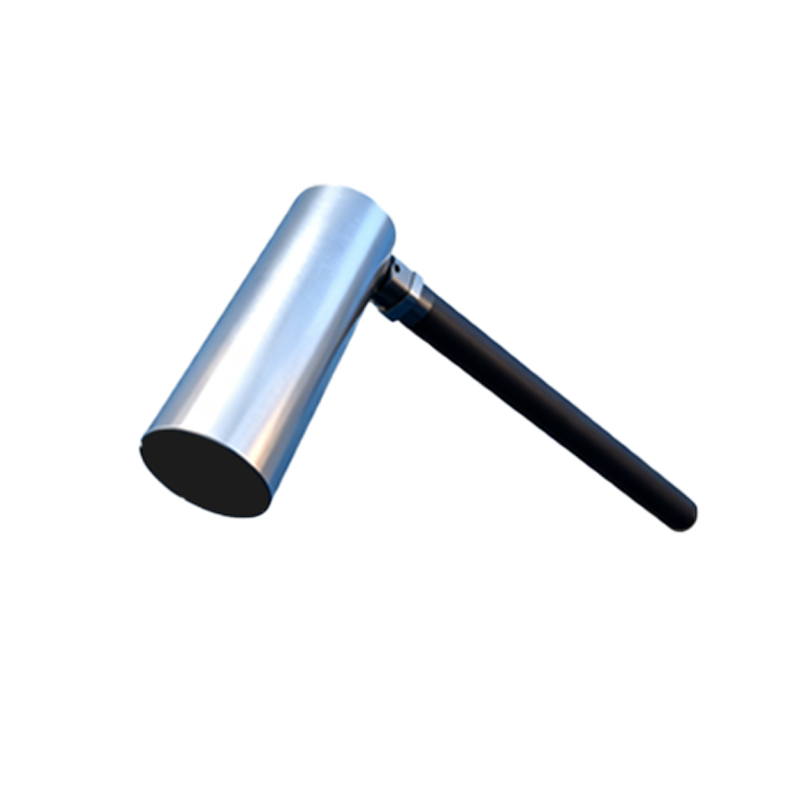
Bulk customization is fundamentally a collaborative partnership between the client's engineering team and the sensor manufacturer's application experts. The process typically initiates with a comprehensive application review, where environmental factors, target object properties, and performance expectations are analyzed. Prototyping follows, where custom designs are tested in real or simulated conditions to validate performance. This phase is critical for troubleshooting and refining the design before committing to production tooling. A reputable manufacturer will provide full technical support throughout this cycle, from initial concept to final validation. This close collaboration ensures the final product is not just a modified component but a fully integrated solution that addresses the specific pain points of the application.
Benefits Beyond the Sensor Unit
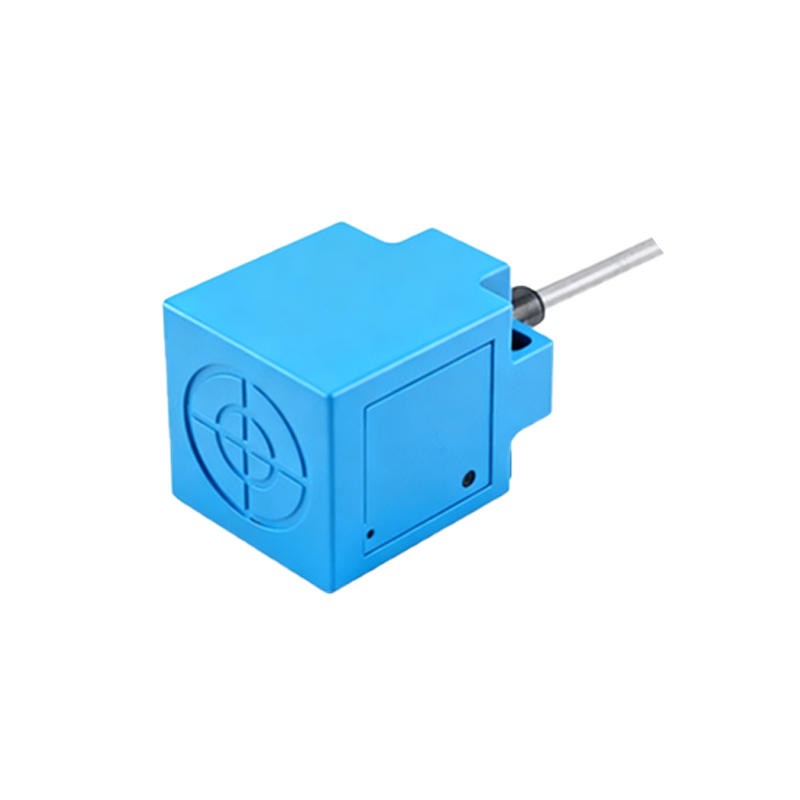
The advantages of investing in customized high precision proximity sensors in bulk extend far beyond the unit itself. The most significant benefit is enhanced system reliability and reduced downtime. A sensor designed for its exact operating environment fails less frequently, minimizing costly production stoppages. Consistency across all sensor units in a batch guarantees uniform machine behavior, which is vital for product quality control. From a logistical and financial perspective, bulk ordering stabilizes supply chains, reduces administrative overhead associated with multiple small orders, and improves cost predictability. Ultimately, this strategic approach transforms a sensor from a commodity into a value-adding asset that drives efficiency, quality, and competitiveness in the global industrial landscape.
Selecting the Right Manufacturing Partner
The outcome of a customization project is deeply tied to the capabilities of the chosen manufacturer. Key selection criteria include a proven track record in sensor design and industrial applications, in-house engineering and prototyping facilities, stringent quality control systems (e.g., ISO 9001 certified), and scalable production capacity. The partner should demonstrate a proactive approach to understanding application challenges and possess the flexibility to iterate designs. Their ability to provide comprehensive documentation, long-term technical support, and a commitment to meeting delivery schedules for bulk orders is paramount. A true partner acts as an extension of your team, ensuring the customized sensors deliver sustained performance and a strong return on investment over their entire lifecycle.