Understanding Interference in Proximity Sensors
Proximity sensors are critical components in industrial automation, detecting the presence or absence of objects without physical contact. However, interference can disrupt their performance, leading to false triggers, reduced sensing range, or complete failure. Interference typically stems from electromagnetic noise, adjacent machinery, power supply fluctuations, or environmental factors like temperature and humidity. Identifying the root cause is the first step in effective repair. Common symptoms include erratic output signals, inconsistent detection, or unexpected shutdowns. Technicians should begin by reviewing the sensor's datasheet to understand its specifications and operating conditions, ensuring any repair aligns with manufacturer guidelines.
Diagnosing Interference Problems
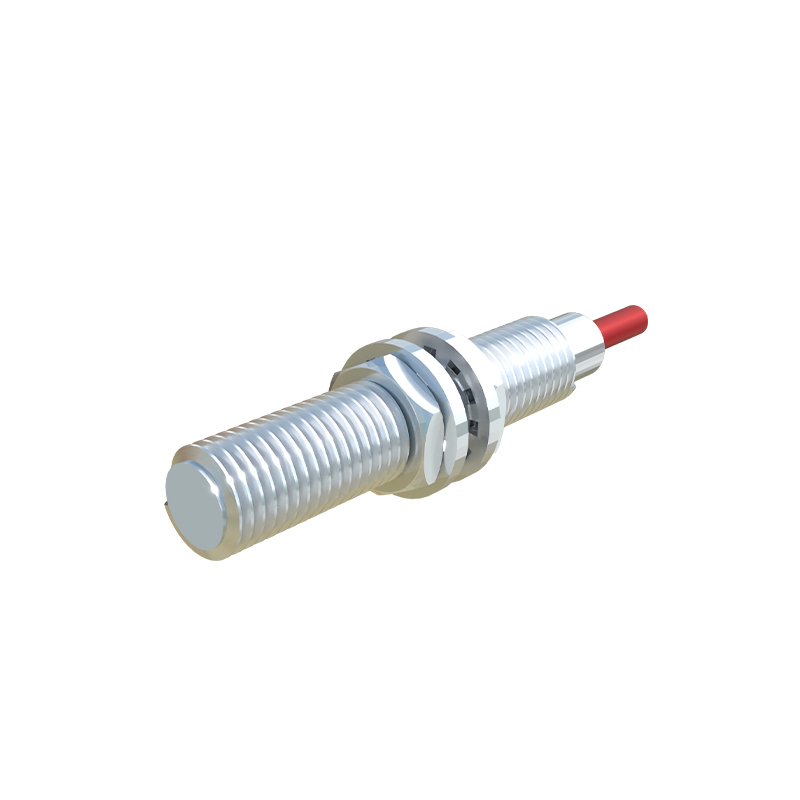
To diagnose interference issues, start with a visual inspection of the sensor and its wiring. Look for physical damage, loose connections, or corrosion that might exacerbate noise susceptibility. Use a multimeter to check voltage levels at the power supply, ensuring they remain within the sensor's rated range—typically 10-30V DC for many models. Fluctuations beyond ±5% can indicate power quality problems. Next, employ an oscilloscope to analyze the output signal for noise patterns. High-frequency spikes or erratic waveforms often point to electromagnetic interference (EMI) from nearby motors, relays, or communication cables. If possible, temporarily relocate the sensor to a quieter environment to see if performance improves, which helps isolate external interference sources.
Shielding and Grounding Techniques
Proper shielding and grounding are essential for mitigating interference. Shielded cables, with their metallic braiding or foil, can block EMI from affecting signal integrity. Ensure the shield is grounded at only one end—usually at the controller or PLC side—to prevent ground loops that introduce additional noise. For inductive proximity sensors, which are common in metal detection, use twisted-pair wiring to reduce magnetic interference. Ground the sensor housing securely to a common earth point, avoiding daisy-chaining grounds across multiple devices. In high-noise environments, consider installing ferrite cores around cables near connectors to suppress high-frequency noise. Regularly inspect grounding connections for corrosion or looseness, as poor grounding is a frequent culprit in interference-related failures.
Power Supply and Filtering Solutions
Unstable power supplies can amplify interference issues. Install a dedicated power line for sensors, separate from high-current equipment like motors or heaters, to minimize voltage drops and noise coupling. Use linear power supplies instead of switching types when possible, as they generate less electrical noise. For added protection, integrate noise filters or isolation transformers into the circuit. These components attenuate high-frequency disturbances before they reach the sensor. Check for proper decoupling with capacitors near the sensor's power terminals; a 0.1µF ceramic capacitor in parallel with a 10µF electrolytic capacitor can smooth out transient spikes. If the sensor operates on AC power, ensure it includes built-in surge protection or add external varistors to guard against voltage surges.
Sensor Calibration and Replacement
If interference persists after shielding and power adjustments, recalibrate the sensor according to the manufacturer's instructions. Adjust the sensitivity or hysteresis settings to reduce false triggers caused by residual noise. For programmable sensors, use software tools to set filtering parameters that ignore brief signal fluctuations. However, if the sensor's internal components are damaged—such as a degraded oscillator coil in inductive models—repair may not be feasible. In such cases, replacement is often more cost-effective. Opt for sensors with higher immunity ratings (e.g., conforming to IEC 60947-5-2 standards) and built-in diagnostics for future resilience. Always test the repaired or new sensor in the actual operating environment to verify performance under real-world conditions.
Preventive Maintenance Best Practices
Preventing interference requires ongoing maintenance. Establish a routine schedule to inspect sensor installations, focusing on cable integrity, connector tightness, and environmental changes. Keep sensors away from heat sources, moisture, and strong magnetic fields. Document any interference incidents and solutions to build a knowledge base for troubleshooting. Train personnel on proper handling techniques, such as avoiding cable runs parallel to high-voltage lines and using conduit for additional shielding. Consider upgrading to modern sensors with digital outputs or noise-immune technologies, like ASIC-based designs, which offer better stability. By proactively addressing interference risks, you can extend sensor lifespan and maintain reliable automation systems.