Understanding IP Ratings for Proximity Sensors
In industrial environments, proximity sensors often face exposure to moisture, dust, and other contaminants. A key factor in determining their suitability for such conditions is the Ingress Protection (IP) rating. The IP rating, defined by international standards like IEC 60529, classifies the degree of protection provided by enclosures against intrusion of solid objects and liquids. For proximity sensors, this rating is crucial. A standard proximity sensor typically comes with a specific IP rating, which indicates its level of waterproofing and dust resistance. Common ratings include IP67, which means the sensor is dust-tight and can withstand temporary immersion in water, and IP69K, which offers protection against high-pressure, high-temperature water jets. It is essential to check the manufacturer's specifications, as not all standard sensors are inherently waterproof; their protection varies based on design and intended application.
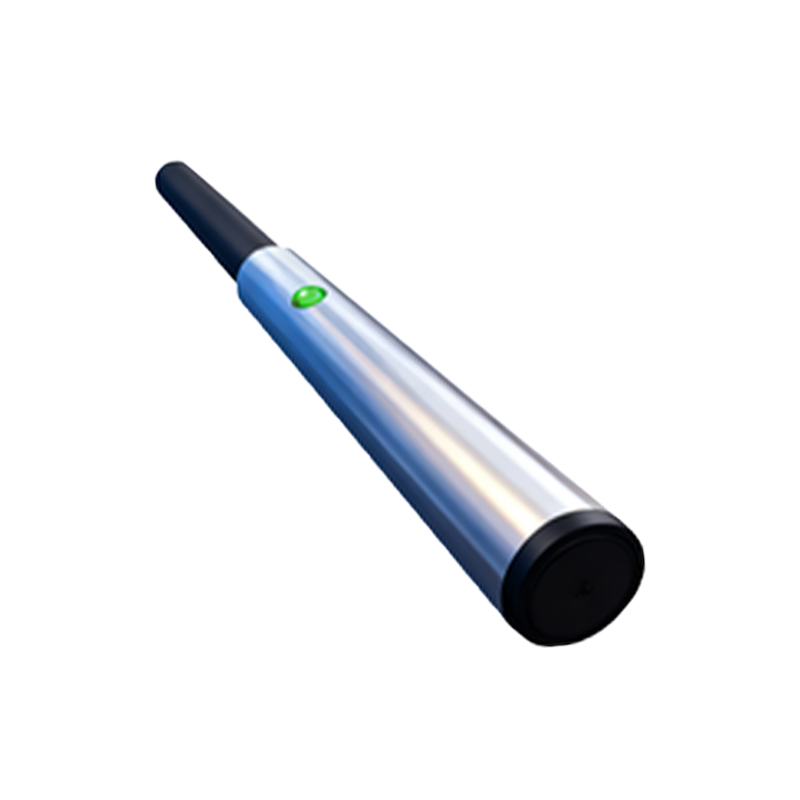
Typical Waterproof Capabilities of Standard Models
Most standard inductive and capacitive proximity sensors are designed with some level of water resistance to endure typical factory conditions. For instance, many off-the-shelf models feature an IP67 rating, making them suitable for use in damp areas or where occasional splashing occurs. However, "waterproof" is a relative term. While IP67 sensors can handle immersion in up to 1 meter of water for 30 minutes, they may not be adequate for continuous submersion or high-pressure washdowns. In contrast, specialized waterproof sensors often carry higher ratings like IP68 or IP69K, which are necessary for harsh environments such as food processing or marine applications. Therefore, while standard sensors offer basic protection, they might not meet the demands of extreme wet conditions without additional sealing or housing.
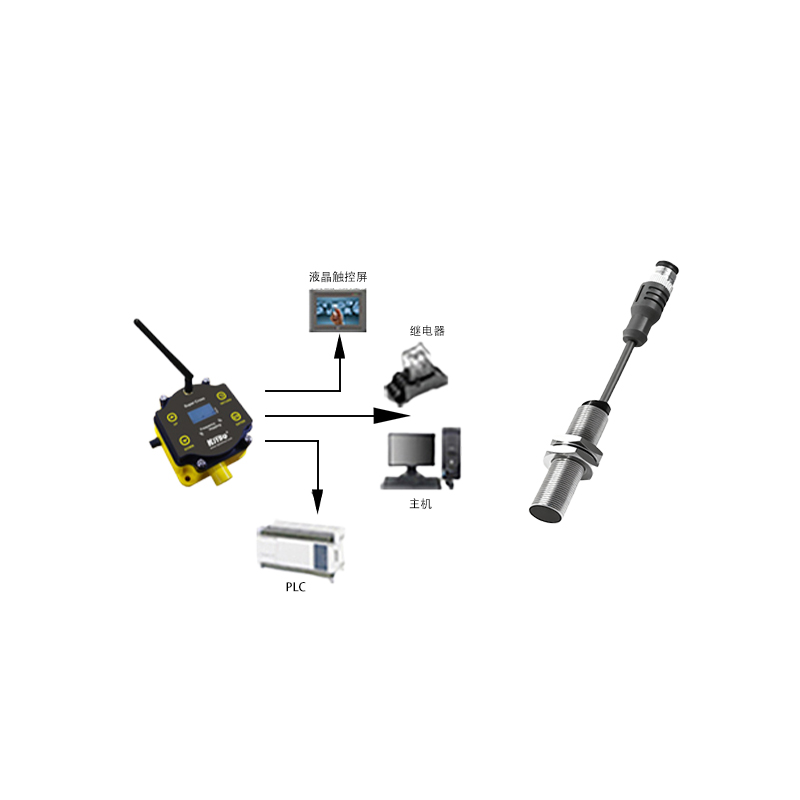
Factors Affecting Water Resistance in Proximity Sensors
Several design elements influence whether a standard proximity sensor is effectively waterproof. The housing material, such as stainless steel or rugged plastics, plays a significant role in preventing water ingress. Sealing methods, including O-rings, gaskets, and potting compounds, are critical for maintaining integrity at joints and cable entries. Additionally, the sensor's construction—such as the tightness of seams and the quality of the lens or sensing face—can impact its performance in wet environments. Over time, factors like temperature fluctuations, chemical exposure, and physical wear can degrade these seals, potentially compromising waterproofing. Regular maintenance and inspection are advised to ensure ongoing protection, especially in applications where sensors are subjected to frequent washing or humidity.
Applications and Limitations in Wet Environments
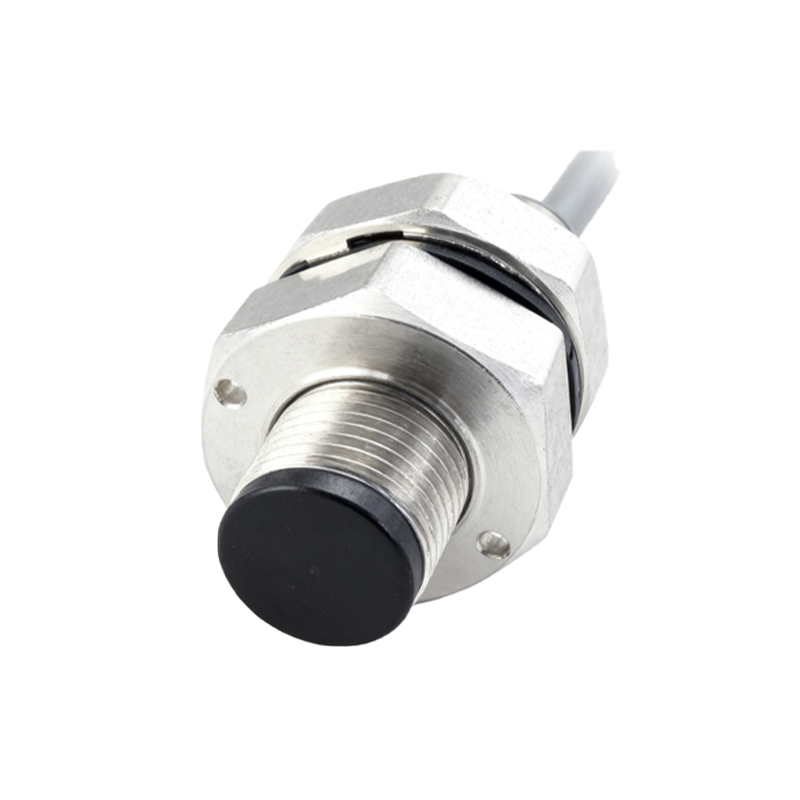
Standard proximity sensors with appropriate IP ratings are widely used in various industries where moisture is present. Examples include packaging lines, automotive assembly, and agricultural machinery, where they detect objects despite occasional exposure to water or condensation. However, limitations exist. For instance, in underwater applications or settings with constant high-pressure sprays, a standard IP67 sensor may fail. In such cases, opting for sensors with higher IP ratings or additional protective measures, like enclosures or coatings, becomes necessary. It is also important to consider other environmental factors, such as the presence of corrosive liquids or extreme temperatures, which can further challenge the sensor's waterproof claims. Always consult application guidelines to match the sensor's capabilities with the operational conditions.
Best Practices for Ensuring Waterproof Performance
To maximize the waterproof performance of standard proximity sensors, follow best practices during selection, installation, and maintenance. First, verify the IP rating against the specific environmental requirements of your application. During installation, ensure proper mounting and sealing, avoiding stress on cables or enclosures that could create entry points for water. Use compatible accessories, such as waterproof connectors and conduit, to enhance protection. Regularly inspect sensors for signs of damage, corrosion, or seal degradation, and replace them promptly if issues arise. Additionally, consider testing sensors under simulated conditions if they will face unusual wetness. By adhering to these practices, you can extend the lifespan and reliability of proximity sensors in moist or wet settings, even with standard models.