Introduction to Proximity Sensing
Proximity sensors are essential components in modern industrial automation, robotics, and consumer electronics, designed to detect the presence or absence of objects without physical contact. They operate based on various principles, including inductive, capacitive, ultrasonic, and optical methods. Among these, optical proximity sensors, which utilize light beams to sense objects, are widely used due to their high precision and fast response times. However, a significant challenge for optical sensors is interference from ambient light sources, such as sunlight, fluorescent lamps, or LEDs, which can cause false readings, reduced accuracy, or sensor failure. To address this, anti-light interference proximity sensors have been developed, incorporating advanced technologies to ensure reliable operation in diverse lighting conditions. This article delves into the principles behind these sensors, explaining how they mitigate light interference and maintain robust performance.
Fundamentals of Optical Proximity Sensors
Optical proximity sensors typically consist of a light emitter, such as an infrared (IR) LED or laser diode, and a light receiver, like a phototransistor or photodiode. The emitter projects a light beam toward a target area, and the receiver detects the reflected light from an object. The sensor calculates the distance or presence based on the intensity, time-of-flight, or phase shift of the reflected signal. Common types include diffuse reflective sensors, where the emitter and receiver are housed together, and through-beam sensors, with separate units for emission and reception. While effective in controlled environments, these sensors are susceptible to external light, which can saturate the receiver or introduce noise, leading to erroneous detections. For instance, in outdoor applications, sunlight can overwhelm the sensor's signal, while in factories, flickering lights may cause intermittent issues.
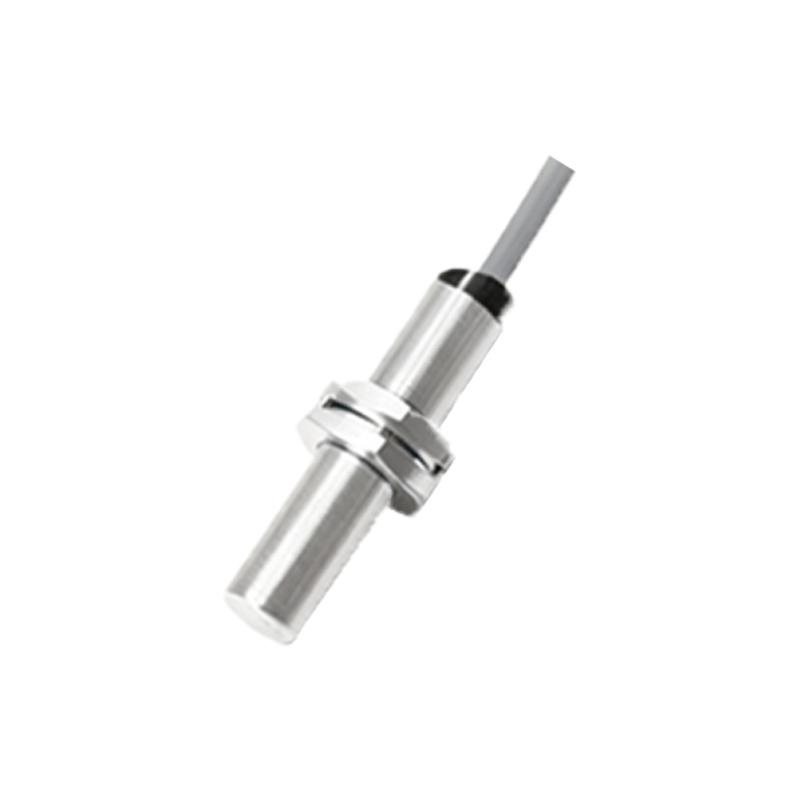
Mechanisms of Light Interference
Light interference occurs when ambient light sources emit wavelengths similar to the sensor's operating range, typically in the infrared spectrum for many proximity sensors. This interference can be continuous, as with daylight, or pulsed, like from artificial lighting. The receiver may misinterpret this external light as the sensor's own signal, resulting in false positives or negatives. Additionally, high-intensity light can cause the receiver to enter saturation, where it becomes unable to detect the intended reflected light. This degrades the signal-to-noise ratio (SNR), making it difficult to distinguish the target object. Factors such as sensor design, placement, and environmental conditions influence the degree of interference, necessitating robust countermeasures in sensitive applications.
Anti-Light Interference Technologies
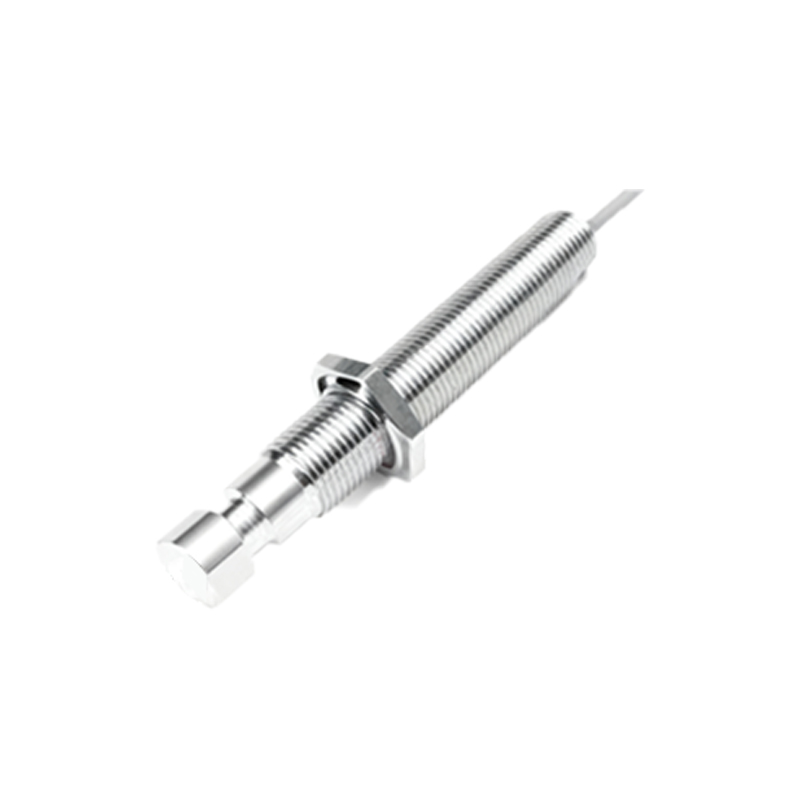
To combat light interference, engineers employ several key technologies in proximity sensor design. One common approach is modulation and demodulation, where the emitter's light is modulated at a specific frequency, and the receiver is tuned to detect only that frequency. This allows the sensor to filter out ambient light, which typically lacks modulation or operates at different frequencies. Another technique involves using optical filters, such as bandpass filters, that block wavelengths outside the sensor's IR range, reducing the impact of visible light. Additionally, digital signal processing (DSP) algorithms can analyze the received signal, identifying and subtracting noise patterns caused by interference. Some sensors incorporate adaptive threshold settings, automatically adjusting sensitivity based on ambient light levels to maintain accuracy.
Design Considerations for Robust Sensors
Designing anti-light interference proximity sensors requires careful consideration of multiple factors. The choice of emitter and receiver components is critical; for example, high-power IR LEDs with narrow beam angles can enhance signal strength, while photodiodes with fast response times improve noise rejection. Shielding and housing designs, such as baffles or tubes, can physically block stray light from reaching the receiver. Furthermore, integrating ambient light sensors (ALS) allows the system to monitor external light conditions and dynamically adjust sensor parameters. In industrial settings, where electromagnetic interference (EMI) may also be a concern, robust circuitry and shielding are essential. Testing under varied lighting scenarios, from dark rooms to bright sunlight, ensures the sensor meets performance standards.
Applications and Benefits
Anti-light interference proximity sensors find applications across diverse industries. In automotive systems, they enable features like automatic windshield wipers or gesture controls in infotainment systems, functioning reliably in changing outdoor light. In manufacturing, they ensure precise object detection on conveyor belts, even under harsh factory lighting. Consumer electronics, such as smartphones and tablets, use these sensors for touchless gestures and screen dimming, enhancing user experience. The benefits include improved reliability, reduced maintenance costs, and enhanced safety, as sensors avoid false triggers that could lead to equipment malfunctions. By minimizing downtime and errors, these sensors contribute to efficient and automated operations.
Future Trends and Innovations
The future of