In today's fast-paced industrial automation landscape, selecting the right proximity sensor is critical for ensuring operational efficiency, safety, and reliability. These non-contact devices detect the presence or absence of objects and are fundamental to countless processes, from assembly lines to robotic guidance. This guide provides expert recommendations across various sensor types, helping engineers and procurement specialists make informed decisions.
The first consideration is the sensing technology. Inductive proximity sensors remain the industry standard for detecting metallic objects. For general-purpose metal detection in harsh environments, the Turck BI10 series offers exceptional durability with its stainless steel housing and high switching frequency. Its short-circuit and overload protection make it a robust choice for automotive or metalworking plants. For applications requiring ultra-precise positioning of small metallic components, Pepperl+Fuchs' NBN series with analog output provides superior repeat accuracy and temperature stability.
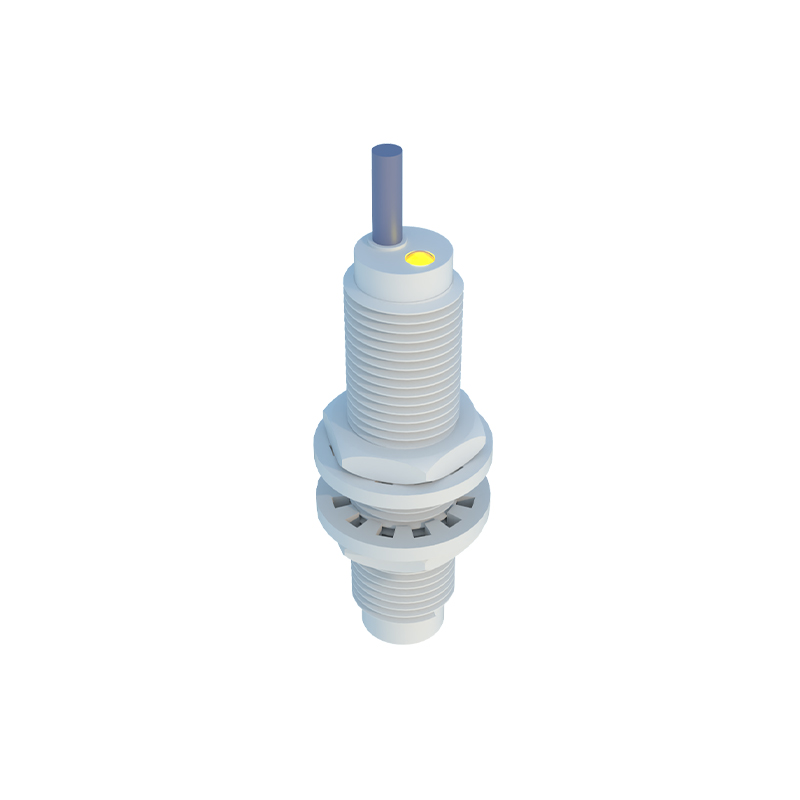
When the target material is non-metallic—such as wood, plastic, glass, or liquid—capacitive sensors are the recommended solution. The Sick C10 series stands out for its versatility, capable of detecting materials through non-metallic container walls, making it ideal for fill-level monitoring in food and beverage or pharmaceutical industries. Its adjustable sensitivity potentiometer allows fine-tuning to ignore container walls and sense only the material inside.

For long-range detection or applications requiring sensing of any material regardless of color or surface properties, ultrasonic sensors are unparalleled. The Banner Q45U series provides highly reliable detection up to 8 meters, with advanced features like temperature compensation for consistent performance in environments with fluctuating temperatures. It is highly recommended for bulk material level control, parking garage vehicle detection, or tangled web detection in textile manufacturing.
Magnetic sensors, specifically reed switch or Hall effect types, are specialized for detecting permanent magnets. They are the premier choice for cylinder position feedback in pneumatic systems. The ifm efector series magnetic cylinder sensors are renowned for their compact design, easy installation, and high resistance to shock and vibration. Their solid-state design ensures a long service life with millions of switching cycles.
Beyond technology, environmental factors dictate sensor choice. For washdown areas in food processing or chemically aggressive environments, sensors with high IP ratings (IP67/IP69K) and corrosion-resistant materials are mandatory. The Omron E2E-X series inductive sensors with PPS housings and FDA-compliant seals are a top recommendation for these demanding conditions. In high-temperature settings near ovens or foundries, sensors like the Balluff BES series with extended temperature ranges up to 120°C ensure continuous operation.
Output configuration is another vital parameter. While standard 3-wire DC PNP or NPN sensors suffice for most digital applications, analog output sensors (4-20 mA or 0-10V) are recommended for distance-proportional measurement tasks, such as monitoring roll diameters or tension control. For networking in Industry 4.0 setups, sensors with IO-Link capability, like the Siemens SIMATIC S7, are highly recommended. IO-Link provides detailed diagnostic data, remote parameterization, and seamless integration into digital control systems, enabling predictive maintenance.
Finally, consider electrical and physical specifications. Ensure the sensor's operating voltage matches your control system (typically 10-30V DC). Switching frequency must be high enough for fast-moving objects on conveyor belts. For space-constrained installations, miniature sensors like the Panasonic GX-F series offer full performance in packages as small as 4mm in diameter. Always verify the sensing distance, noting that manufacturers specify this under ideal conditions; a safety factor should be applied in real-world installations.
In conclusion, there is no single "best" proximity sensor. The optimal choice is a balance of target material, required sensing distance, environmental resilience, and output needs. Investing time in proper selection, consulting with technical datasheets, and considering future scalability will yield significant returns in system uptime and productivity. Partnering with reputable suppliers who offer strong technical support is equally crucial for long-term success in any automated system.