In the seamless dance of modern automation and smart devices, there exists a silent yet crucial performer: the proximity sensor. This unassuming component, often no larger than a fingernail, operates without a sound or a flash, yet it fundamentally shapes our interaction with technology. From preventing industrial accidents to enabling the sleek responsiveness of a smartphone, proximity sensors are the invisible detectives, constantly gauging the presence or absence of objects in their immediate environment.
At its core, a proximity sensor is a device that detects the presence of nearby objects without any physical contact. It does this by emitting a field or a beam of electromagnetic radiation, often infrared light, or by using an electromagnetic field. When an object enters this designated field, it causes a change in the signal. The sensor's circuitry detects this disturbance and converts it into an electrical signal, triggering a pre-programmed action. This simple principle of non-contact detection is what makes them so versatile and reliable.
The world of proximity sensors is diverse, with different types tailored for specific applications and environments. Inductive proximity sensors are the workhorses of heavy industry. They generate an oscillating electromagnetic field and are exceptionally effective at detecting metallic objects, such as machine parts on an assembly line. Their robustness makes them ideal for harsh environments filled with dust, oil, or coolant. On the other hand, capacitive proximity sensors can detect both metallic and non-metallic materials, including liquids, powders, and plastics. They work by sensing changes in capacitance and are commonly used in level detection systems for tanks or touch-sensitive interfaces.
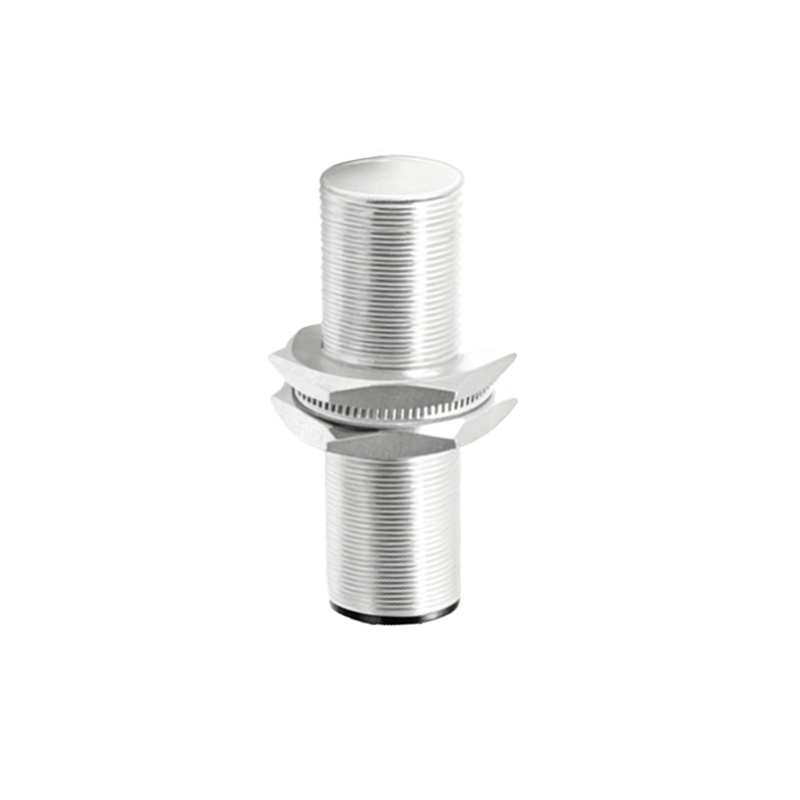
Optical proximity sensors, which include through-beam, retro-reflective, and diffuse reflective models, use a beam of light (usually infrared or laser). The smartphone in your pocket likely uses a diffuse reflective optical sensor to turn off the screen during a call when it's near your ear, saving battery life. Ultrasonic sensors emit high-frequency sound waves and measure the time it takes for the echo to return, making them excellent for distance measurement and detecting objects with varied surfaces, even in challenging conditions like fog or dust.
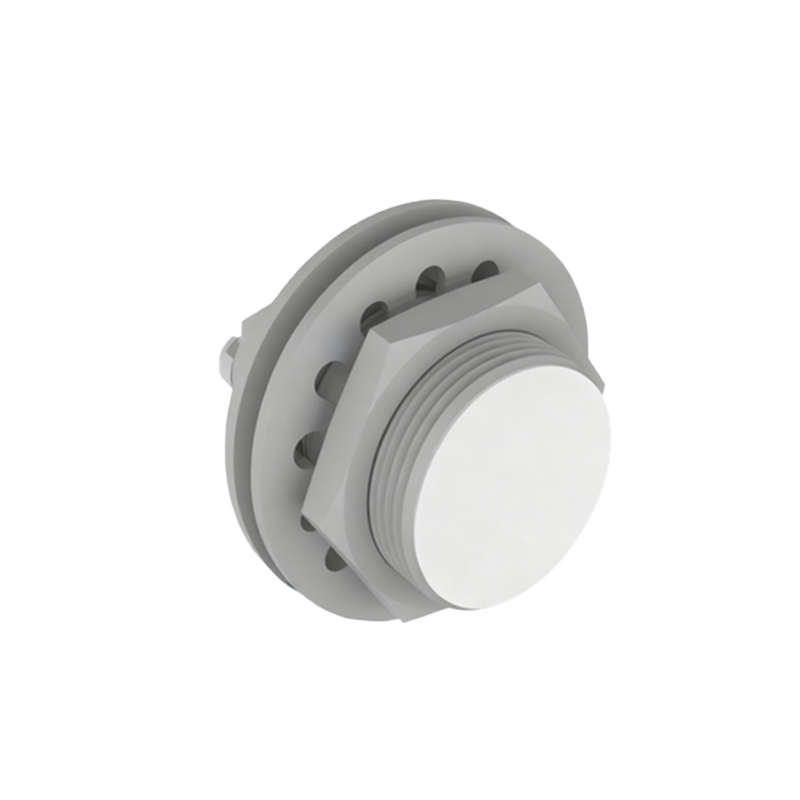
The applications of these sensors are astonishingly broad. In the automotive sector, they are integral to parking assistance systems, blind-spot detection, and automatic braking features, significantly enhancing vehicle safety. In consumer electronics, beyond the smartphone example, they enable features like automatic screen brightness adjustment and hands-free gesture control in laptops and tablets. In manufacturing and logistics, they are indispensable for object counting, positioning control on conveyor belts, and ensuring machine safety by detecting if a guard door is open. Even in everyday appliances, a proximity sensor might be the reason your automatic faucet or paper towel dispenser works with a simple wave of your hand.
The advantages of using proximity sensors are compelling. Their non-contact nature means there is no wear and tear from mechanical touching, leading to exceptionally long service life and minimal maintenance. They offer high-speed response and repeatability, which is critical for precision automation. Furthermore, their ability to function reliably in difficult conditions—whether it's detecting a transparent bottle on a fast-moving line or a hot metal ingot—makes them irreplaceable.
When selecting a proximity sensor for an application, several factors must be considered. The sensing distance, or the range at which the sensor can reliably detect an object, is paramount. The nature of the target material (metal, plastic, liquid) dictates whether an inductive, capacitive, or optical sensor is needed. Environmental factors like temperature extremes, potential washdowns, or exposure to chemicals require sensors with appropriate ingress protection (IP) ratings. Finally, the output type, such as a simple on/off digital signal or an analog signal proportional to distance, must match the requirements of the control system.
As technology marches forward, proximity sensors continue to evolve. Miniaturization allows them to be integrated into ever-smaller devices. Enhanced intelligence, through integrated microprocessors, enables smarter sensors with features like self-diagnostics and adjustable sensing parameters via IO-Link communication. The integration of proximity sensing into the Internet of Things (IoT) ecosystem is also a growing trend, allowing for remote monitoring and predictive maintenance of machinery.
In conclusion, proximity sensors are a foundational technology of the automated world. They perform a seemingly simple task with remarkable consistency and adaptability. By providing machines with a fundamental sense of their surroundings, these components enable efficiency, safety, and intuitive user experiences. The next time your phone screen dims or a supermarket door slides open effortlessly, remember the invisible detective at work—the humble, yet profoundly capable, proximity sensor.