Understanding Proximity Sensor Technology and Cost Factors
The price of a proximity sensor is not a simple figure; it is a reflection of its underlying technology, construction, and intended application. Fundamentally, these non-contact devices detect the presence or absence of an object within a specified range. The primary technologies include inductive, capacitive, ultrasonic, and photoelectric sensors, each with distinct cost implications. Inductive sensors, used for detecting metals, are often the most cost-effective for standard industrial tasks. Capacitive sensors, which can detect both metallic and non-metallic materials, typically carry a slightly higher price tag. More sophisticated technologies like ultrasonic or long-range photoelectric sensors command premium prices due to their complex electronics and extended sensing capabilities. Beyond the core technology, factors such as sensing range, housing material (e.g., stainless steel vs. plastic), output type (PNP/NPN, analog, IO-Link), and protection ratings (IP67, IP69K) significantly influence the final cost. A sensor designed for a harsh washdown environment in food processing will inherently cost more than a basic model for a clean, dry assembly line.
Defining "Good Value" Beyond the Initial Purchase Price
In industrial procurement, a "good price" must be evaluated within the framework of Total Cost of Ownership (TCO). A cheaper sensor with a lower initial purchase price may prove expensive in the long run if it fails prematurely, causes production downtime, or requires frequent recalibration. Key value considerations include reliability and mean time between failures (MTBF), energy efficiency, ease of installation and integration, and compatibility with existing control systems. A sensor with advanced diagnostics, such as those enabled by IO-Link communication, can provide immense value by predicting maintenance needs and minimizing unplanned stops. Furthermore, consider the manufacturer's reputation, technical support availability, and warranty terms. A slightly higher investment in a sensor from a reputable supplier with global support often yields superior long-term value compared to an unbranded, low-cost alternative with uncertain provenance and no support infrastructure.

Price Ranges and Market Segmentation
The market for proximity sensors is broadly segmented, leading to a wide price spectrum. At the economy tier, prices can range from $15 to $50 for basic inductive or capacitive models with standard ranges and plastic housings. These are suitable for light-duty, non-critical applications. The industrial standard tier, which constitutes the bulk of the market, features prices between $50 and $150. Sensors in this range offer robust metal housings, better sealing, wider operating temperature ranges, and more reliable performance for demanding factory automation tasks. The high-performance or specialty tier includes sensors with extended ranges, exceptional accuracy, extreme environment ratings, or advanced networking capabilities. Prices here can easily exceed $200 and reach into the thousands for highly customized or safety-rated (e.g., SIL 2/3) devices. Understanding which segment your application belongs to is crucial for setting a realistic budget.
Strategic Sourcing and Cost Optimization Tips
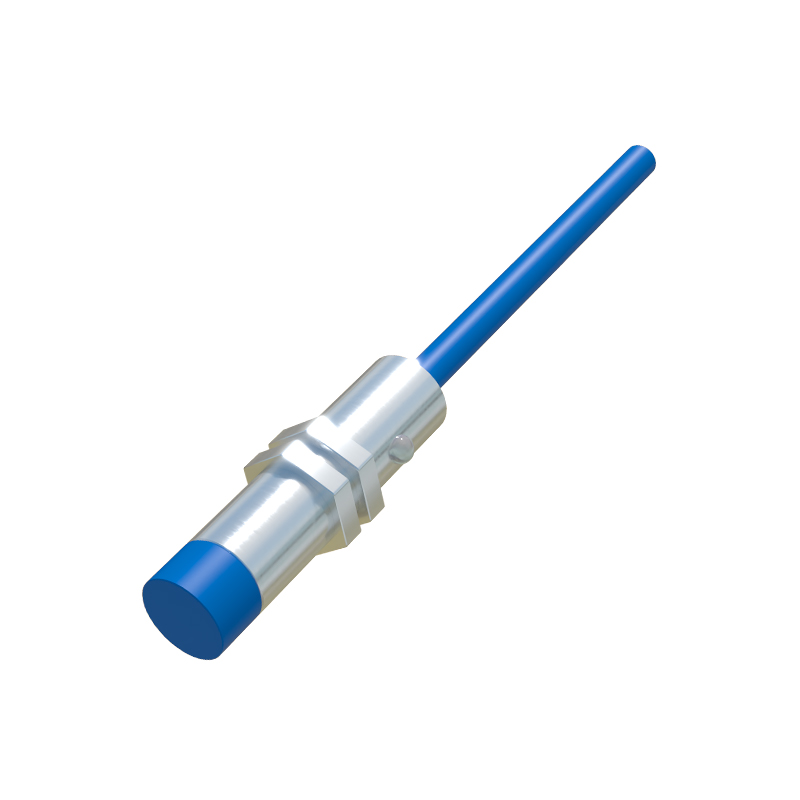
Achieving the best price requires a strategic approach to sourcing. First, accurately specify your requirements; over-specifying (e.g., requesting a 20mm range when 5mm suffices) needlessly increases cost. Standardizing sensor models across a facility can leverage volume discounts and simplify maintenance. Consider establishing partnerships with distributors or manufacturers for contractual pricing. Evaluate global brands against reputable second-tier manufacturers who may offer comparable quality at a lower cost. However, always request samples for rigorous in-house testing before bulk purchasing. For non-critical applications, refurbished or certified-repaired sensors from authorized channels can offer significant savings. Finally, factor in logistical costs—sometimes a locally sourced sensor with a higher unit price results in lower overall cost due to reduced shipping time and import duties.
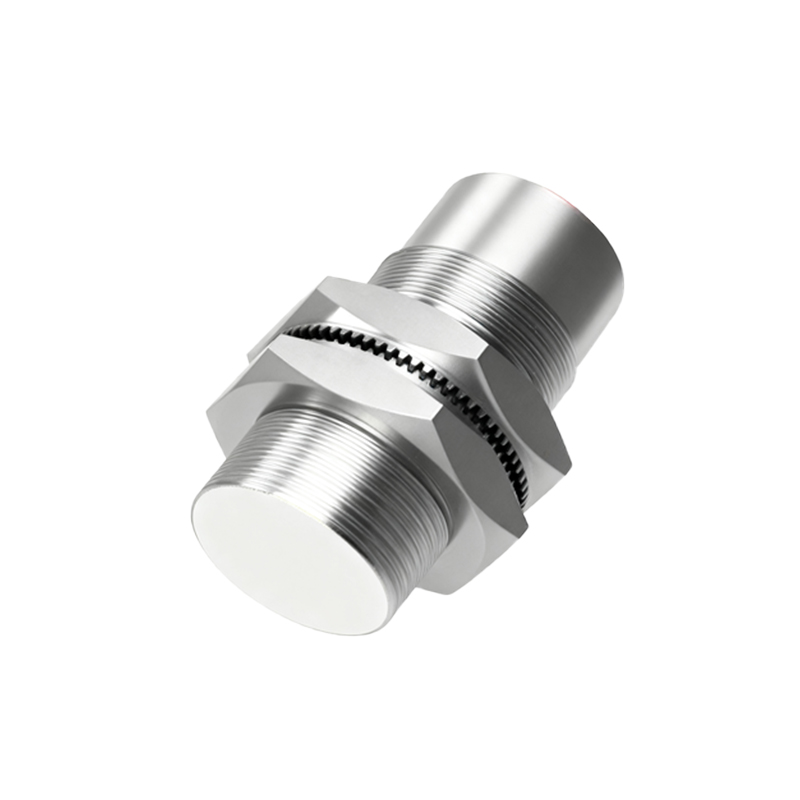
The Role of Integration and Future-Proofing
The modern industrial landscape, driven by Industry 4.0, adds another dimension to cost assessment. A sensor's price should be weighed against its ability to integrate seamlessly into smarter systems. A device with digital communication protocols like IO-Link, PROFINET, or EtherNet/IP may have a higher initial cost but enables data-rich environments for predictive maintenance, process optimization, and energy monitoring. This "future-proofing" can prevent costly system retrofits later. The cost of integration, including wiring, configuration time, and software licensing, must also be included in the evaluation. A plug-and-play smart sensor might simplify installation and reduce engineering hours, offsetting its higher purchase price. Therefore, the best price is for a sensor that not only performs its primary detection task reliably but also adds strategic value to the digital infrastructure of the operation.