What is a Proximity Sensor?
A proximity sensor is a non-contact electronic device designed to detect the presence or absence of an object within its sensing range without any physical contact. It operates by emitting an electromagnetic field, beam, or radiation and then looking for changes in the field or return signal. The primary function is to sense when an object enters the sensor's operational field, triggering an output signal. This capability makes them indispensable in industrial automation, robotics, consumer electronics, and safety systems, where reliable, wear-free detection is critical. Unlike mechanical limit switches, proximity sensors have no moving parts, leading to longer operational life, higher reliability, and faster response times. They are engineered to withstand harsh industrial environments, including exposure to dust, oil, and vibrations.
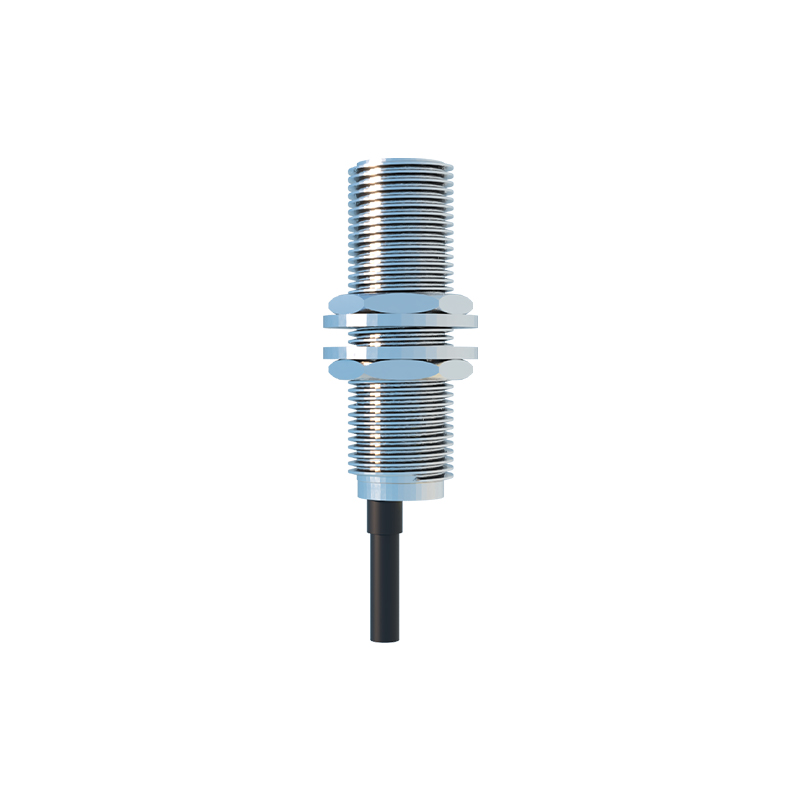
Key Working Principles
The core operation of a proximity sensor hinges on the disturbance caused by a target object. This disturbance is converted into an electrical signal. For instance, in an inductive sensor, an oscillator generates a high-frequency electromagnetic field at the sensing face. When a metallic object enters this field, eddy currents are induced on the object's surface. These currents draw energy from the oscillator, reducing its amplitude. This reduction is detected by a threshold circuit, which subsequently switches the sensor's output state. Capacitive sensors work on a similar principle but detect changes in capacitance, allowing them to sense non-metallic materials like plastic, wood, or liquids. Photoelectric sensors use a light beam, and ultrasonic sensors use sound waves; their output changes when the beam or wave is interrupted or reflected by an object.
Main Types of Proximity Sensors
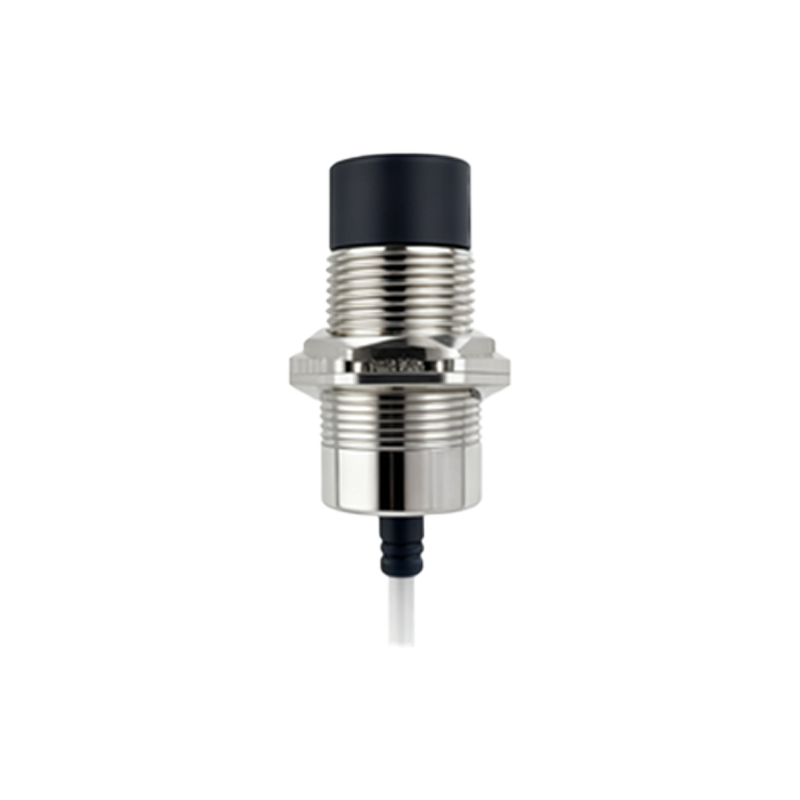
Proximity sensors are categorized based on their detection technology. Inductive Proximity Sensors are the most common in industrial settings, exclusively detecting ferrous and non-ferrous metals. They are highly precise, robust, and immune to environmental factors like dirt. Capacitive Proximity Sensors can detect both metallic and non-metallic materials by sensing changes in the dielectric constant. They are ideal for level detection of powders or liquids. Photoelectric Proximity Sensors use a light transmitter and receiver. They come in three main styles: through-beam (separate units), retro-reflective (with a reflector), and diffuse (reflective), offering the longest sensing ranges. Ultrasonic Proximity Sensors emit high-frequency sound waves and measure the time for the echo to return, excelling in distance measurement and detecting clear or complex-shaped objects.
Critical Technical Specifications
Selecting the right sensor requires understanding key parameters. Sensing Range, or nominal range, is the maximum distance from the sensor face at which a standard target can be reliably detected. Repeatability refers to the sensor's ability to consistently detect an object at the same distance. Response Time is the delay between the target entering the sensing field and the output switch. This is crucial for high-speed applications. Switching Frequency indicates how many on/off cycles per second the sensor can handle. Environmental ratings like IP (Ingress Protection) and NEMA codes define resistance to dust and water. Operating voltage (e.g., 10-30V DC) and output type (PNP/NPN, NO/NC) must match the control system. Temperature range and housing material (often nickel-plated brass or stainless steel) are also vital for durability.
Output Configuration and Wiring
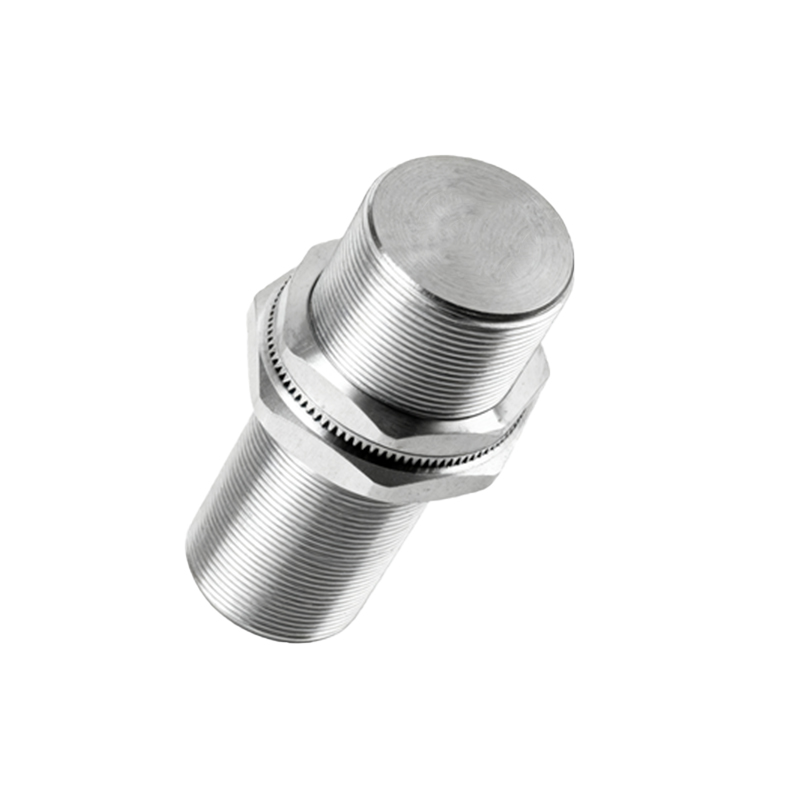
Proximity sensors typically provide a digital switching output. The two primary semiconductor output types are PNP (sourcing) and NPN (sinking). In a PNP configuration, the output wire switches the positive voltage to the load when activated. In an NPN configuration, the output switches the ground connection. The choice depends on the PLC or controller input module design. Outputs can be normally open (NO), where the circuit closes on detection, or normally closed (NC), where the circuit opens on detection. Wiring is typically straightforward, involving power supply connections (V+, V-), the output signal wire, and sometimes a separate wire for a diagnostic LED. Shielded cables are recommended in electrically noisy environments to prevent false triggering.
Industrial Applications and Use Cases
The applications for proximity sensors are vast and critical to modern manufacturing. On assembly lines, they count products, detect part presence for robotic pick-and-place, and verify correct positioning. In machine tools, they serve as end-position limit switches for axes, monitor tool wear or breakage, and ensure safety door interlocks. They are fundamental in material handling for palletizing, conveyor control, and sorting systems. Capacitive sensors monitor fill levels in tanks containing liquids, granules, or powders. In the automotive industry, they are used extensively in welding robots, paint shops, and final assembly verification. Their non-contact nature makes them perfect