Introduction to Proximity Sensors
Proximity sensors are electronic devices designed to detect the presence or absence of an object within a specific range without any physical contact. These sensors operate based on various principles, such as electromagnetic fields, infrared light, or ultrasonic waves, making them essential in modern industrial automation, robotics, and consumer electronics. By providing non-contact detection, proximity sensors enhance efficiency, reduce wear and tear, and improve safety in numerous applications. Their ability to function in harsh environments—like extreme temperatures, dust, or moisture—makes them a preferred choice in sectors ranging from manufacturing to automotive engineering.
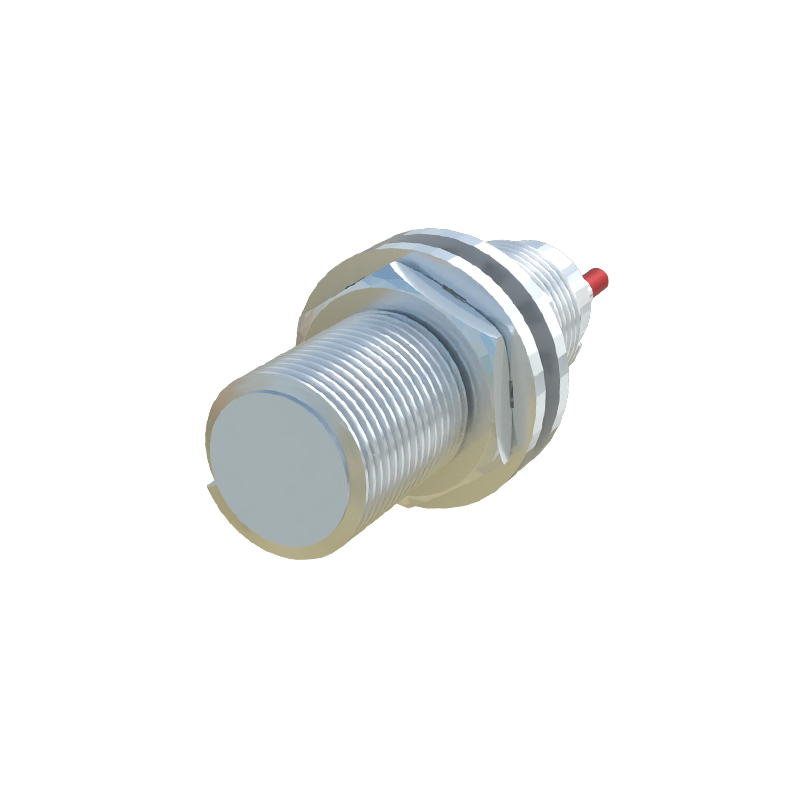
Types of Proximity Sensors
There are several common types of proximity sensors, each utilizing different technologies for detection. Inductive proximity sensors are widely used for detecting metallic objects by generating an electromagnetic field. When a metal object enters this field, it induces eddy currents, triggering the sensor to send a signal. Capacitive proximity sensors, on the other hand, can detect both metallic and non-metallic materials, such as plastics or liquids, by measuring changes in capacitance. Ultrasonic proximity sensors emit high-frequency sound waves and analyze the reflected waves to determine object distance, while photoelectric sensors use light beams, typically infrared, to sense objects. Magnetic proximity sensors rely on magnetic fields and are often employed in applications involving magnets or ferrous materials. Each type offers distinct advantages, such as high precision, long-range detection, or cost-effectiveness, depending on the use case.
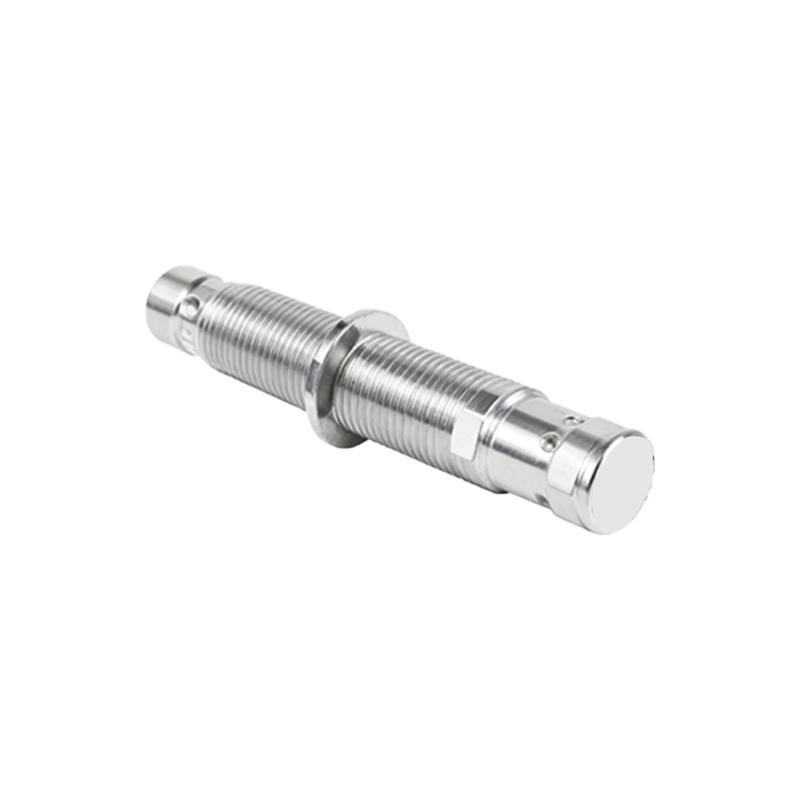
Working Principles in Detail
The operation of proximity sensors hinges on their underlying technology. For inductive sensors, an oscillator circuit creates an alternating magnetic field around the sensor's coil. When a conductive metal object approaches, it absorbs energy from the field, causing the oscillator's amplitude to decrease. This change is detected by a threshold circuit, which then outputs a signal. Capacitive sensors function similarly but use a capacitor plate to generate an electrostatic field. The presence of any object alters the dielectric constant, leading to a capacitance shift that is measured and converted into an output. Ultrasonic sensors calculate distance by emitting sound pulses and measuring the time delay of echoes, a method known as time-of-flight. Photoelectric sensors consist of a light emitter and receiver; when an object interrupts or reflects the light beam, the receiver detects the variation and activates the sensor. These principles enable reliable, fast, and accurate detection across diverse scenarios.
Key Applications in Industry
Proximity sensors play a critical role in industrial automation and beyond. In manufacturing, they are used for object counting, position sensing, and limit switching in conveyor systems, ensuring smooth production lines. Robotics heavily relies on these sensors for obstacle avoidance, precise movement control, and assembly tasks. The automotive industry integrates proximity sensors into safety features like parking assistance, collision avoidance systems, and automated door controls. Consumer electronics, such as smartphones and tablets, employ capacitive sensors for touchscreens and gesture recognition. Additionally, they are found in security systems, medical devices, and agricultural machinery, highlighting their versatility. By enabling contactless operation, these sensors reduce maintenance needs and enhance operational longevity in demanding environments.
Advantages and Limitations
Proximity sensors offer numerous benefits, including high reliability, fast response times, and durability under tough conditions. Their non-contact nature minimizes mechanical wear, leading to longer lifespans and lower maintenance costs. They can detect objects through certain materials, like glass or plastic, depending on the sensor type, and are often resistant to environmental factors like oil, dirt, or vibration. However, limitations exist. Inductive sensors only work with metals, while capacitive sensors may be affected by humidity or temperature fluctuations. Ultrasonic sensors can struggle with soft or absorbent materials, and photoelectric sensors might face interference from ambient light. Selecting the right sensor requires considering factors such as detection range, material properties, and environmental conditions to optimize performance.
Future Trends and Innovations
The future of proximity sensors is shaped by advancements in technology and increasing demand for smart systems. Miniaturization is a key trend, allowing sensors to be integrated into smaller devices like wearables and IoT gadgets. Enhanced sensitivity and accuracy are being achieved through improved algorithms and digital signal processing. Wireless and energy-efficient designs are emerging, supporting the growth of battery-powered and remote applications. Additionally, the integration of artificial intelligence and machine learning enables predictive maintenance and adaptive sensing capabilities. As industries move toward Industry 4.0 and automation expands, proximity sensors will continue to evolve, offering smarter, more connected solutions for real-time monitoring and control in an increasingly digital world.