Proximity sensors are fundamental components in modern industrial automation, robotics, and countless electronic devices. While detection range, accuracy, and physical size are often the primary considerations, the operating frequency of a proximity sensor is a critical, yet sometimes overlooked, parameter that profoundly impacts its performance and suitability for specific tasks. Understanding sensor frequency is essential for selecting the right device and ensuring reliable operation in dynamic environments.
At its core, the frequency of a proximity sensor generally refers to its response speed or switching frequency. This is defined as the maximum number of detection cycles (on/off operations) the sensor can perform per second, typically measured in Hertz (Hz). For instance, a sensor with a switching frequency of 1 kHz can theoretically detect up to 1000 objects passing by per second. This specification dictates how fast a sensor can react to changes in the presence or absence of a target. High-frequency sensors are indispensable in high-speed applications like counting small parts on a fast conveyor belt, monitoring rotational speed of a motor shaft using a gear tooth, or in high-speed packaging machinery where milliseconds matter.
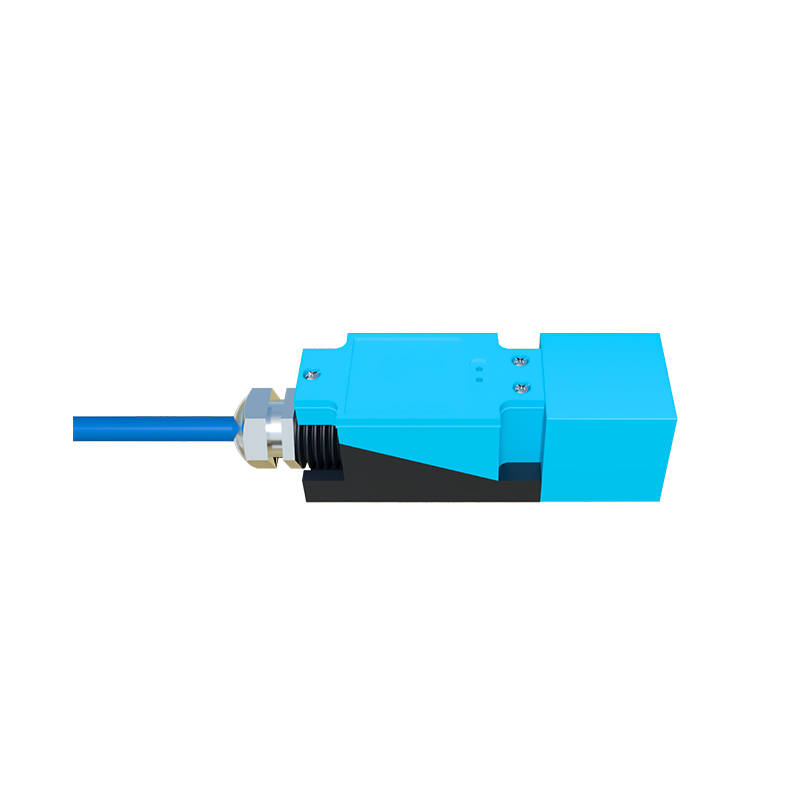
The achievable frequency is intrinsically linked to the underlying sensing technology. Inductive proximity sensors, which detect metallic objects, and capacitive sensors, which can detect both metallic and non-metallic materials, have operating principles that involve the oscillation and damping of an internal circuit. Their response times are typically in the range of microseconds to milliseconds, allowing for switching frequencies from several hundred Hz to over 5 kHz for high-end models. In contrast, photoelectric sensors, which use light beams, can offer even higher response speeds. Modern fiber-optic or laser-based sensors can achieve frequencies into the tens of kHz, making them ideal for extremely high-speed counting or precision positioning.
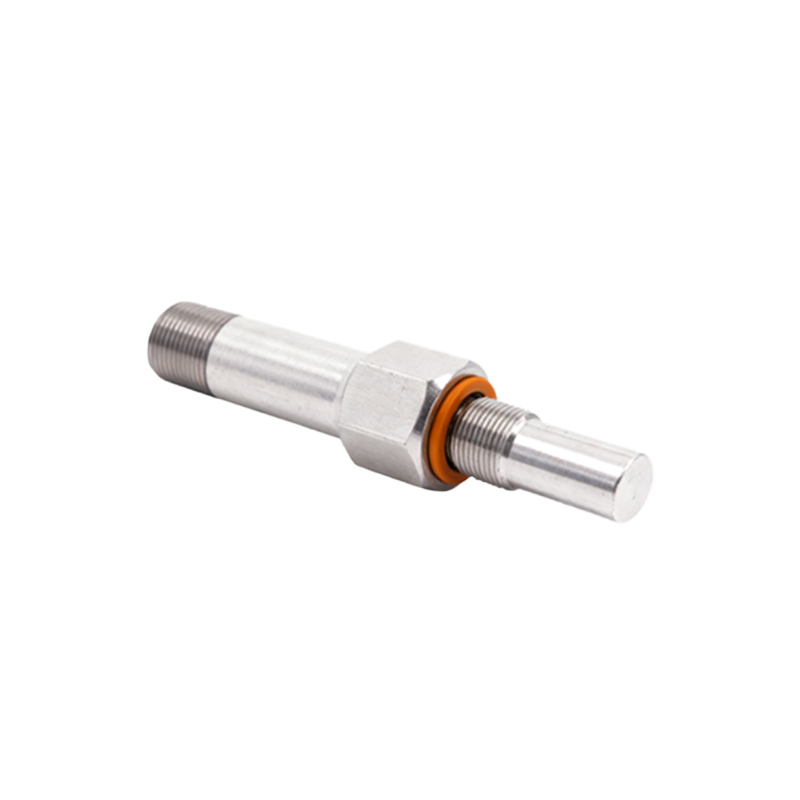
However, sensor frequency does not exist in a vacuum. It interacts with several other factors. The first is the sensing distance. Generally, as the rated sensing distance increases, the sensor's maximum switching frequency may decrease. This is due to the increased time required for the electromagnetic field or light beam to travel to the target and back, and for the sensor's electronics to process the signal. The size and material of the target also play a role. A smaller target or one made of a material that weakly influences the sensor's field (like thin foil for an inductive sensor) may require the target to be within the effective range for a longer duration to be reliably detected, effectively limiting the usable operational frequency.
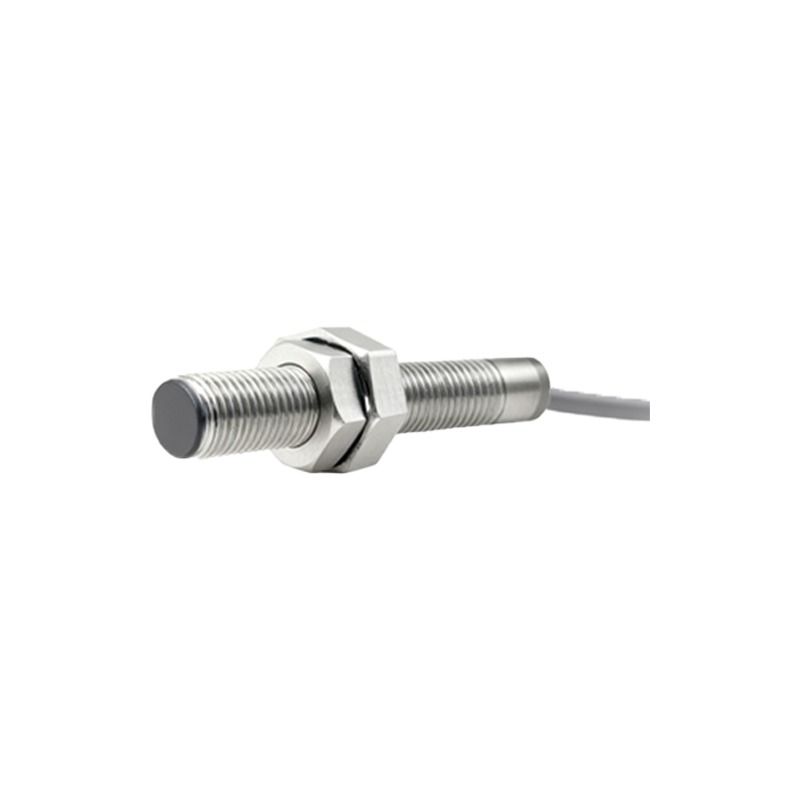
Environmental conditions pose another significant constraint. In environments with significant electrical noise, such as those near variable frequency drives or welding equipment, a sensor's output might become unstable if operated at its maximum rated frequency. In such cases, selecting a sensor with a robust design, perhaps with a lower pass filter or shielding, is more important than pure speed. Similarly, for ultrasonic sensors, factors like air turbulence, temperature, and humidity can affect signal propagation time and thus the reliable sampling rate.
When integrating a high-frequency sensor into a system, the entire signal chain must be considered. The sensor's output signal (PNP/NPN, NAMUR, or analog) must be compatible with the input module of the programmable logic controller (PLC) or counter. These input modules themselves have scan rates and filtering settings that can become the bottleneck. Using a 10 kHz sensor with a PLC input card that only samples at 1 kHz is an unnecessary expense and offers no performance benefit. Proper wiring is also crucial; using shielded cables and following manufacturer guidelines for cable length minimizes signal degradation and noise pickup, ensuring the high-frequency signal integrity is maintained.
In practical applications, the choice of frequency is a balancing act. For monitoring the slow movement of a crane or a door position, a sensor with a frequency of 10-50 Hz is more than sufficient. For bottling lines, sorting systems, or assembly robots, frequencies in the 500 Hz to 2 kHz range are common. The most demanding applications, such as monitoring the rotation of a high-speed spindle or inspecting defects on moving film, require specialized sensors with frequencies reaching 10 kHz and beyond.
Ultimately, specifying the correct proximity sensor frequency requires a clear understanding of the application's speed requirements, target characteristics, and operating environment. Consulting the sensor's datasheet is paramount, paying close attention to the detailed conditions under which the maximum switching frequency is specified. By giving due consideration to this key parameter, engineers and technicians can optimize system performance, enhance reliability, and prevent costly downtime caused by sensor misapplication. The right frequency ensures the sensor keeps pace with the process, providing the timely data needed for precise control and efficiency.