What Are Proximity Sensors?
Proximity sensors are electronic devices designed to detect the presence or absence of objects within a certain range without physical contact. They operate based on various principles, such as electromagnetic fields, infrared light, or ultrasonic waves. These sensors are integral to automation systems, providing reliable, non-contact detection that enhances efficiency and safety. By converting object detection into electrical signals, proximity sensors enable precise control in machinery and processes, making them indispensable in modern industrial and consumer applications.
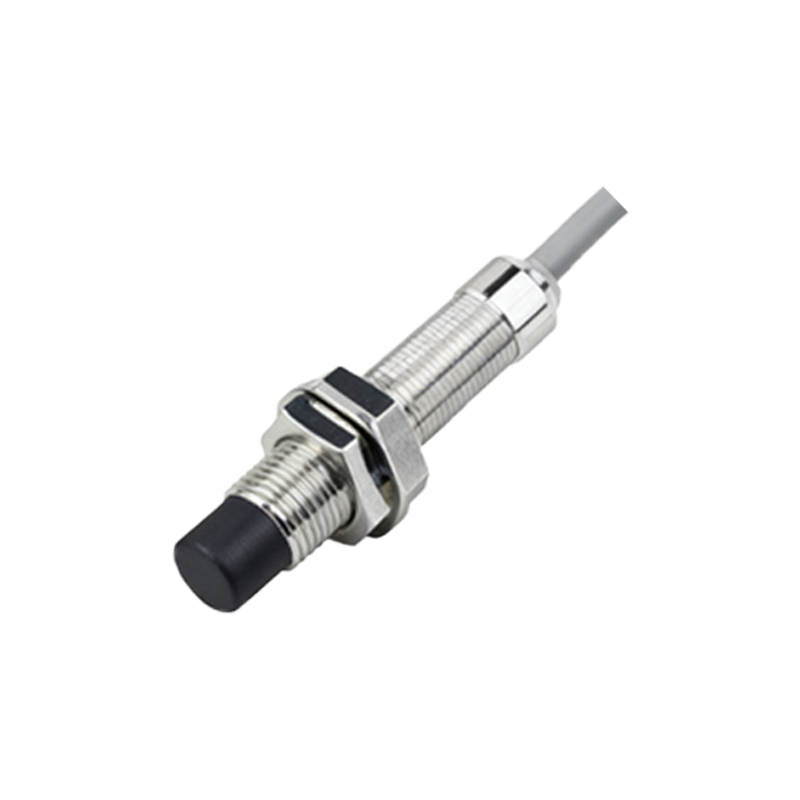
Industrial Automation and Manufacturing
In industrial automation, proximity sensors play a critical role in optimizing production lines. They are used for object detection, position sensing, and counting items on conveyor belts. For instance, inductive proximity sensors detect metal parts, ensuring accurate assembly and preventing jams. In robotic arms, these sensors help in precise positioning and collision avoidance, improving operational safety. Their durability in harsh environments—resistant to dust, moisture, and temperature variations—makes them ideal for factories, reducing downtime and maintenance costs while boosting productivity.
Automotive Industry Applications
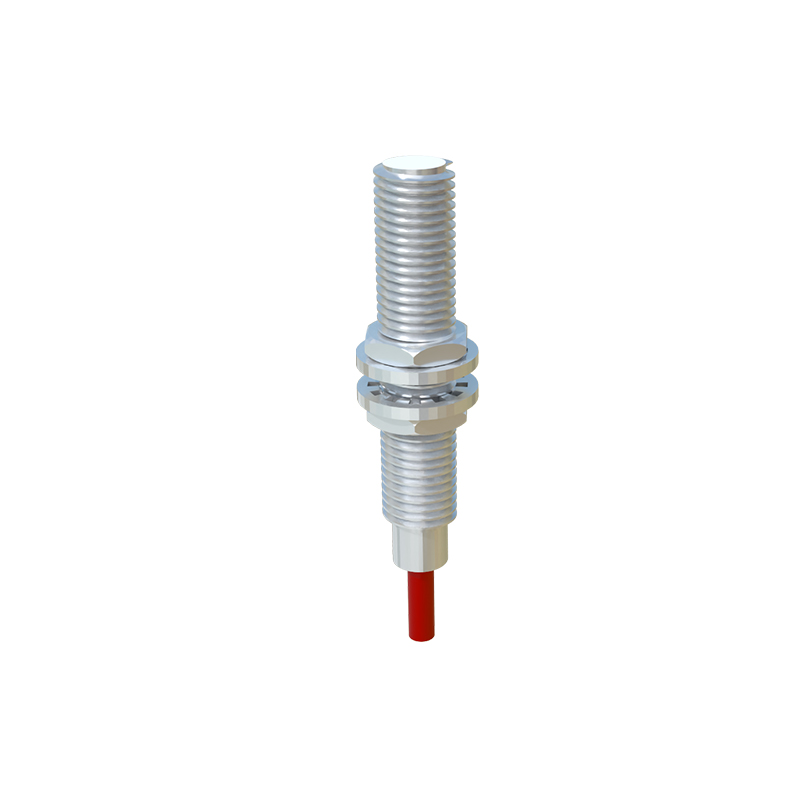
The automotive sector relies heavily on proximity sensors for both manufacturing and vehicle functionality. During production, they assist in quality control by detecting components in assembly lines. In modern vehicles, ultrasonic and capacitive proximity sensors are embedded in parking assistance systems, alerting drivers to obstacles. They also enable keyless entry systems and automatic trunk opening, enhancing user convenience. Additionally, these sensors contribute to advanced driver-assistance systems (ADAS), supporting features like blind-spot monitoring and adaptive cruise control, thereby improving road safety.
Consumer Electronics and Home Appliances
Proximity sensors are ubiquitous in consumer electronics, adding smart functionality to everyday devices. In smartphones, they detect when the phone is near the user's ear during calls, turning off the screen to save power and prevent accidental touches. Similarly, in home appliances like automatic faucets and soap dispensers, infrared proximity sensors trigger operation without physical contact, promoting hygiene. Smart home systems use these sensors for lighting control and security, activating lights when motion is detected or alerting homeowners to intrusions, thus enhancing energy efficiency and safety.
Healthcare and Medical Devices
In healthcare, proximity sensors ensure precision and hygiene in medical equipment. They are used in infusion pumps to monitor fluid levels and detect blockages, preventing overdoses or interruptions. Surgical robots incorporate these sensors for accurate instrument positioning, minimizing human error. Non-contact temperature sensors, based on infrared proximity technology, enable fever screening without physical contact, crucial in infection control. Additionally, wearable devices use proximity sensors to track user activity and monitor vital signs, supporting telemedicine and personalized care.
Aerospace and Defense Systems
The aerospace and defense industries utilize proximity sensors for high-stakes applications requiring reliability and accuracy. In aircraft, they monitor landing gear position and detect obstacles during ground operations, ensuring safety. Military equipment employs these sensors in surveillance drones for terrain mapping and target detection. Their ability to function in extreme conditions—such as high altitudes or combat zones—makes them vital for navigation systems and automated weaponry, enhancing operational efficiency and reducing human risk in critical missions.
Agriculture and Environmental Monitoring
Proximity sensors are increasingly adopted in agriculture for precision farming and resource management. They help in automated irrigation systems by detecting soil moisture levels, optimizing water usage. Drones equipped with these sensors monitor crop health and detect pests, enabling targeted interventions. In environmental monitoring, ultrasonic proximity sensors measure water levels in rivers or reservoirs, aiding in flood prediction. By providing real-time data, these sensors support sustainable practices, reducing waste and improving yields in a growing global food demand context.
Future Trends and Innovations
The future of proximity sensors is shaped by advancements in IoT and AI integration. Miniaturization and enhanced sensitivity will allow for broader applications in wearable tech and smart cities. Wireless proximity sensors, powered by energy harvesting, will enable maintenance-free operations in remote areas. Innovations like multi-sensor fusion—combining proximity data with other inputs—will improve accuracy in autonomous vehicles and robotics. As industries embrace Industry 4.0, proximity sensors will evolve to offer smarter, interconnected solutions, driving efficiency and innovation across sectors globally.