Introduction to Proximity Sensing
A proximity sensor is a non-contact electronic device designed to detect the presence or absence of an object within its sensing range without any physical contact. Unlike mechanical limit switches, these sensors operate by emitting an electromagnetic field, beam, or ultrasonic wave and then monitoring for changes in the return signal or field. The core principle hinges on the interaction between the sensor's emitted energy and the target object. This technology is fundamental to modern industrial automation, enabling precise, reliable, and high-speed detection crucial for processes like positioning, counting, inspection, and safety interlocking. The absence of moving parts subject to wear translates to exceptional longevity and minimal maintenance, making them indispensable in harsh industrial environments where dust, oil, and vibration are prevalent.
Core Operating Principles and Types
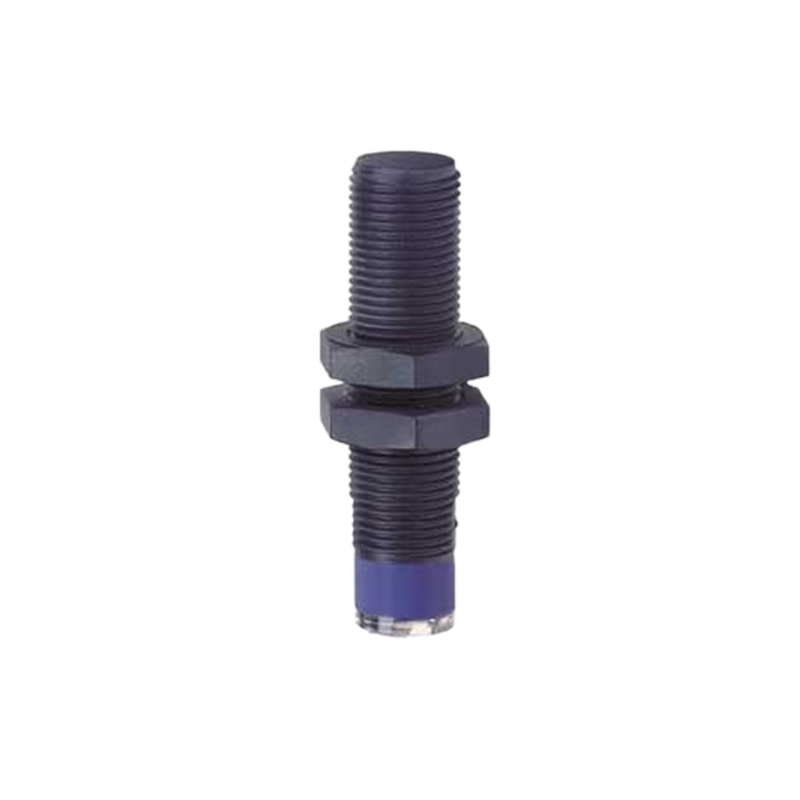
Proximity sensors are primarily categorized by their underlying technology, each suited to different materials and applications. Inductive proximity sensors are the most common in industrial settings. They generate an oscillating electromagnetic field and detect the eddy current losses induced when a metallic object enters this field. They are ideal for detecting ferrous and non-ferrous metals but are ineffective against non-metallic materials. Capacitive proximity sensors, on the other hand, can detect both metallic and non-metallic materials, including liquids, plastics, and wood. They function by measuring changes in capacitance between the sensor's electrode and the ground, which occurs when any material with a different dielectric constant enters the sensing zone.
Key Specifications and Selection Criteria
Selecting the appropriate proximity sensor requires careful analysis of several key parameters. The sensing distance, or nominal range, is the maximum distance at which the sensor can reliably detect a standard target. It is critical to consider factors like temperature, supply voltage, and target material, as these can affect the actual usable range. The housing material, typically nickel-plated brass, stainless steel, or PBT plastic, must be chosen based on the environmental conditions (e.g., chemical exposure, washdown requirements). Output configuration is another vital decision; sensors come with NPN (sinking) or PNP (sourcing) transistor outputs, as well as analog (4-20mA, 0-10V) or IO-Link digital communication outputs for more advanced data exchange. Response frequency, protection rating (IP67/IP69K), and connection type (pre-wired, quick-disconnect) round out the essential selection criteria.
Wiring and Installation Best Practices
Correct installation is paramount for optimal performance and longevity. A primary consideration is ensuring an adequate mounting clearance. Inductive sensors, in particular, require non-ferrous surroundings; mounting them in a steel panel without the specified non-fermetallic bushing can drastically reduce the effective sensing range. The sensor should be positioned so that the target approaches the active sensing face axially for the rated sensing distance. For flush-mountable models, they can be embedded in metal. Wiring must adhere to the manufacturer's diagram, paying close attention to the polarity for DC models. It is standard practice to use shielded cables in electrically noisy environments and to ensure proper grounding. Always verify the load current does not exceed the sensor's switching capacity to prevent damage.
Common Applications Across Industries
The versatility of proximity sensors makes them ubiquitous. In automotive manufacturing, they verify the presence of parts on assembly lines, count gear teeth on rotating shafts, and control robotic end-effector positioning. In packaging machinery, they detect fill levels in bottles, control the sealing process, and ensure carton flap closure. On material handling systems, they provide position feedback for automated guided vehicles (AGVs), detect pallets on conveyors, and serve as safety presence checks at access points. Inductive sensors are extensively used in metalworking for tool breakage detection and spindle positioning, while capacitive sensors monitor liquid levels in tanks or detect glass and plastic containers in food and beverage processing.
Troubleshooting and Maintenance Insights
Despite their robustness, proximity sensors can encounter issues. Common problems include failure to detect an object, intermittent operation, or shortened sensing range. The first step is always to verify the power supply voltage and polarity. Next, inspect the sensing face for buildup of dirt, metal chips, or other contaminants that can attenuate the signal. Check for physical damage to the housing or cable. Using a multimeter, measure the output signal to determine if the switching element is functioning correctly. Environmental factors like extreme temperature, strong magnetic fields from nearby motors, or welding equipment can cause interference. Regular preventive maintenance, including cleaning and checking mounting integrity, is often all that is required to ensure decades of reliable service from these solid-state workhorses.