Understanding Proximity Switch Sensor Insensitivity
Proximity switch sensors are fundamental components in industrial automation, providing non-contact detection of metallic or other target objects. Their reliability is paramount for ensuring smooth production lines, machine safety, and process control. However, a common and critical issue encountered in the field is sensor insensitivity. This condition manifests as a failure to detect a target within its specified sensing range, intermittent detection, or a significantly reduced operating distance. Insensitivity can lead to machine stoppages, defective products, and even safety hazards. This article delves into the root causes of this problem from an engineering perspective and outlines systematic troubleshooting and corrective measures.
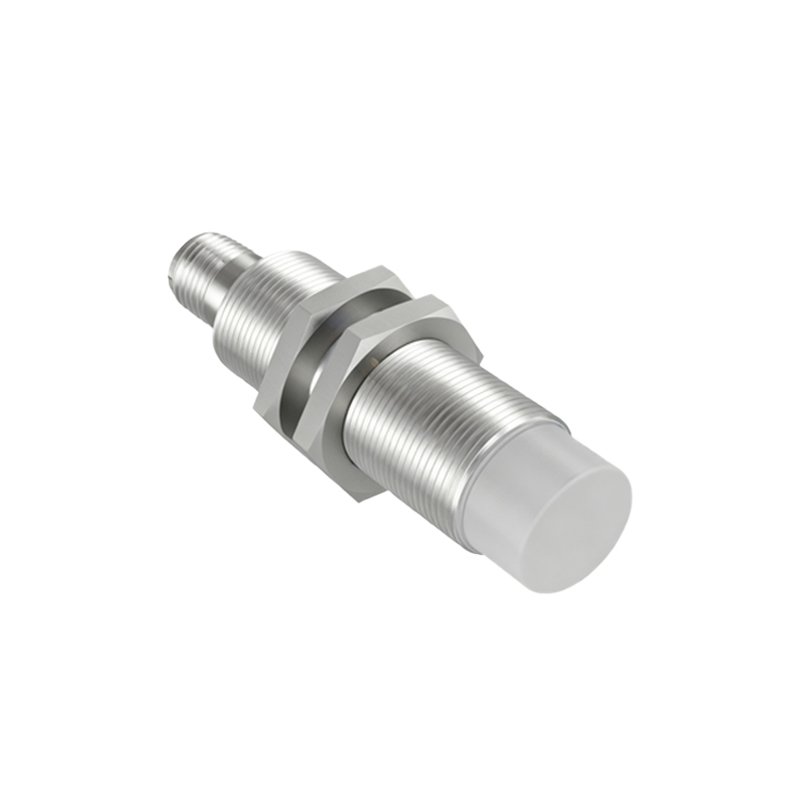
Primary Causes of Reduced Sensing Performance
Several factors can contribute to a proximity sensor becoming insensitive. The first category involves environmental and installation factors. Accumulation of metallic dust, chips, or non-conductive debris on the sensor's active face is a frequent culprit. For inductive sensors, nearby metallic objects other than the target can create interference fields, effectively "shielding" the target or distorting the electromagnetic field. Incorrect mounting, such as insufficient flush mounting or inadequate clearance from surrounding metal (as specified by the sensor's datasheet), drastically reduces effective range. Physical damage to the sensing face or housing can also impair performance.
Electrical and Load-Related Issues
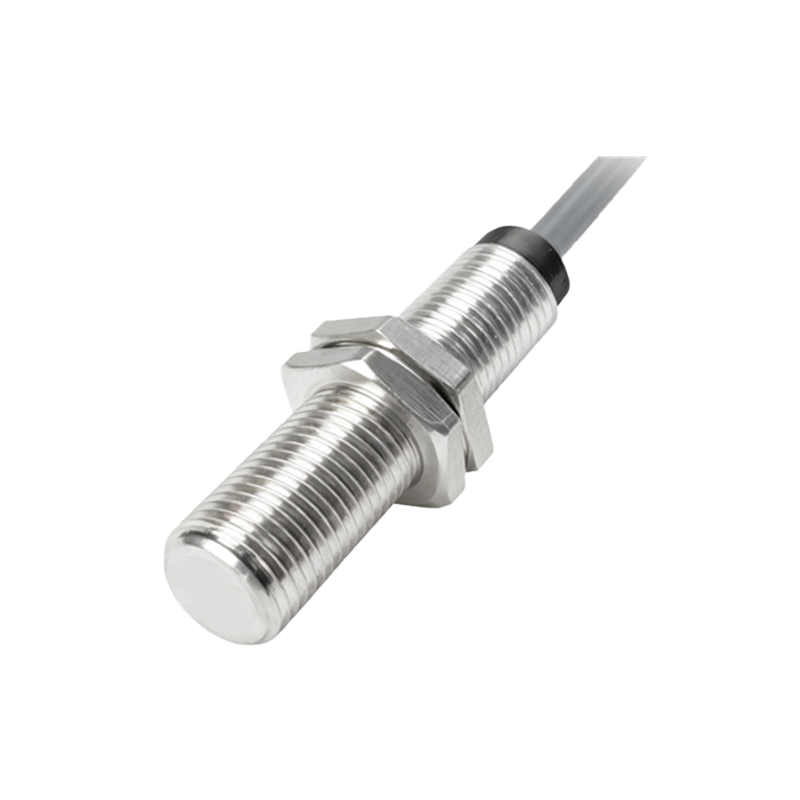
Electrical problems are another major source of insensitivity. Voltage fluctuations outside the sensor's operating range can cause erratic behavior. While modern sensors have broad tolerances, severe under-voltage can reduce output signal strength. Excessive load current, often from a short circuit or an overloaded relay coil, can damage the sensor's output circuit over time, leading to a weak or non-existent signal. For DC sensors, incorrect polarity during installation can cause immediate failure or degraded sensitivity. Furthermore, electrical noise from high-power equipment like variable frequency drives (VFDs) or welding machines can induce false signals or mask the true detection signal.
Sensor Degradation and Material Incompatibility
All electronic components have a finite lifespan. Prolonged exposure to extreme temperatures, humidity, corrosive chemicals, or continuous mechanical vibration can degrade internal components, such as the oscillator coil or integrated circuits. This degradation gradually reduces the sensor's power and sensitivity. Another often-overlooked cause is target material incompatibility. Standard inductive sensors are tuned for mild steel. Using them to detect stainless steel, aluminum, copper, or brass results in a reduced sensing distance, sometimes up to 60% less, which can be misinterpreted as insensitivity. The target's size and shape also matter; a target smaller than the sensor's face or unusually shaped may not be detected reliably.
Systematic Troubleshooting Methodology
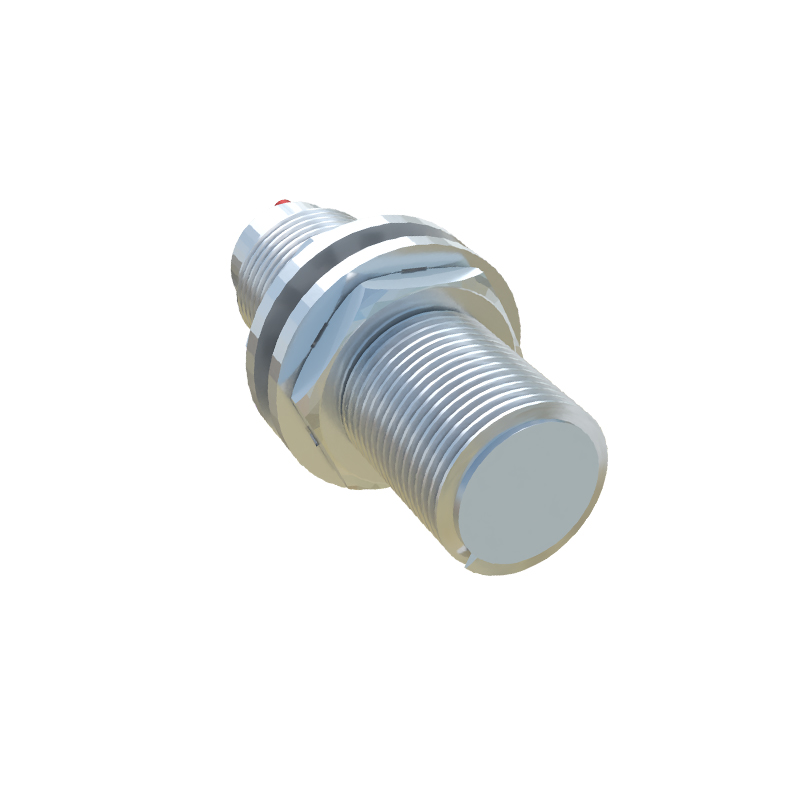
Addressing insensitivity requires a logical, step-by-step approach. Begin with a visual and mechanical inspection. Clean the sensor face thoroughly. Verify the mounting alignment and ensure the target passes directly over the center of the sensing face. Check for any physical damage. Next, proceed to electrical verification. Use a multimeter to confirm the supply voltage is stable and within specifications. Measure the output signal under load conditions. A simple test is to substitute the suspected sensor with a known-good unit of the same model. If the new sensor works correctly, the original is faulty. If the problem persists, the issue lies elsewhere in the system.
Corrective Actions and Preventive Maintenance
Based on the diagnosis, apply specific corrections. For environmental issues, install protective boots or choose sensors with higher IP ratings. Increase clearance from interfering metals as per manufacturer guidelines. For electrical issues, ensure proper wiring, use shielded cables in noisy environments, and consider adding surge protectors or line filters. If the target material is non-ferrous, select a sensor specifically designed for aluminum or brass, or a factor-1 capacitive sensor. Implement a regular preventive maintenance schedule that includes cleaning sensor faces, checking connections for corrosion or looseness, and verifying operational distances with a test target. Keeping detailed maintenance logs helps track sensor performance over time.
Selecting the Right Sensor for Robust Performance
Prevention is better than cure. To minimize future sensitivity issues, careful sensor selection is crucial. Always consult the technical datasheet. Key parameters include: the required sensing distance (choose 70-80% of the nominal rating for reliability), target material and size, environmental conditions (temperature, chemicals), required output type (PNP/NPN, NO/NC), and housing material. For challenging environments, consider sensors with built-in diagnostics, weld-field immunity, or extended temperature ranges. Investing in higher-quality, industrially robust sensors from reputable manufacturers often yields better long-term reliability and reduces downtime costs associated with insensitivity failures.