Understanding Proximity Switches
Proximity switches are electronic devices designed to detect the presence or absence of an object without physical contact. They operate based on various principles, such as electromagnetic fields, capacitance, or inductive effects, depending on the type. Commonly used in industrial automation, these switches are valued for their reliability, durability, and ability to function in harsh environments. Unlike mechanical switches, proximity switches offer non-contact sensing, reducing wear and tear and enabling high-speed operations. They are integral to applications like conveyor systems, robotics, and safety mechanisms, where precise object detection is crucial for efficiency and safety.
Exploring Photoelectric Sensors
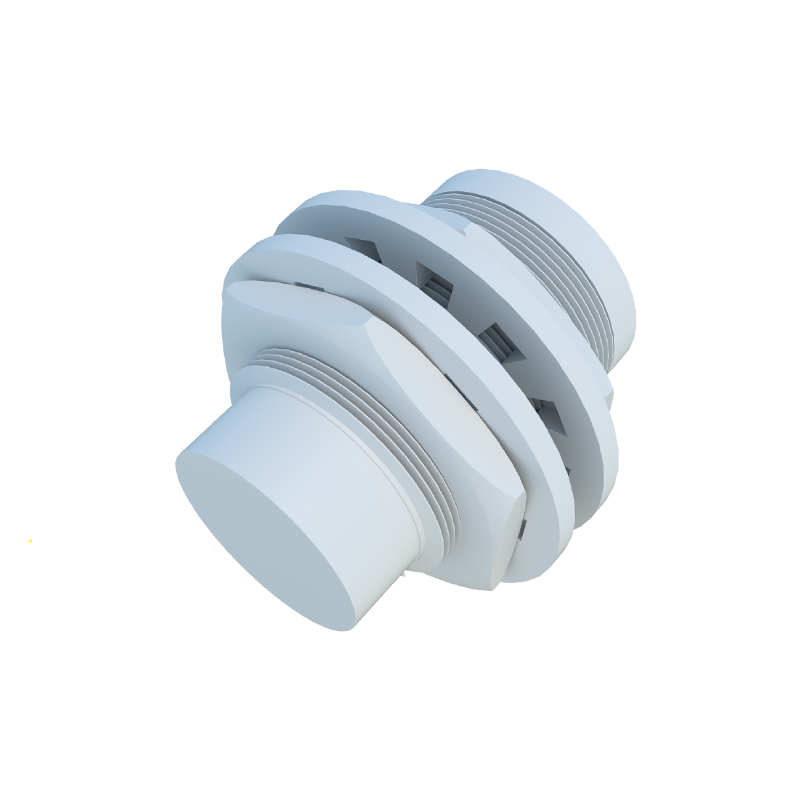
Photoelectric sensors, on the other hand, utilize light beams to detect objects. They consist of a light source (often infrared or LED) and a receiver. When an object interrupts or reflects the light beam, the sensor triggers a response. These sensors are known for their versatility, capable of detecting objects over long distances and in various conditions, including transparent or colored materials. They are widely used in packaging, material handling, and assembly lines. Photoelectric sensors can be categorized into through-beam, retro-reflective, and diffuse-reflective types, each suited for specific sensing needs.
Key Differences Between Proximity Switches and Photoelectric Sensors
While both devices serve sensing purposes, they differ fundamentally in operation and application. Proximity switches typically rely on electromagnetic or capacitive fields, making them effective for detecting metallic or conductive objects at close ranges. In contrast, photoelectric sensors use light-based technology, allowing them to sense a broader range of materials, including non-metallic ones, and over greater distances. Proximity switches are often preferred in environments with dust, oil, or moisture, where light beams might be obstructed. Photoelectric sensors excel in scenarios requiring precise positioning or detection of small objects.
Common Misconceptions in Industrial Sensing
A frequent misconception in the electrical industry is that proximity switches and photoelectric sensors are interchangeable terms. This confusion arises because both are non-contact sensors used in automation. However, their underlying technologies dictate distinct use cases. For instance, inductive proximity switches are ideal for metal detection in machinery, while photoelectric sensors are better for counting items on a production line. Understanding these distinctions helps engineers select the right sensor for optimal performance, avoiding errors in system design and maintenance.
Applications in Modern Automation
In contemporary industrial settings, both proximity switches and photoelectric sensors play vital roles. Proximity switches are commonly found in automotive manufacturing for detecting metal parts, ensuring assembly accuracy. Photoelectric sensors are used in food processing to monitor packaging integrity or detect transparent containers. By integrating these sensors into programmable logic controllers (PLCs), industries achieve enhanced automation, reducing human intervention and improving productivity. The choice between them depends on factors like object material, environmental conditions, and required sensing range.
Conclusion: Clarifying the Relationship
To answer the question directly: proximity switches are not inherently photoelectric sensors. While some proximity switches may incorporate photoelectric principles, the term "proximity switch" broadly encompasses various sensing technologies, including inductive, capacitive, and magnetic types. Photoelectric sensors represent a specific category within the sensor family, defined by their use of light. Engineers should evaluate technical specifications and application requirements to determine whether a proximity switch or photoelectric sensor is suitable, ensuring efficient and reliable system operation in diverse industrial contexts.