Introduction to Ultra-Compact Proximity Sensing
The relentless drive for miniaturization in industrial automation and consumer electronics has propelled the development of ultra-compact proximity sensors. These devices, often measuring just a few millimeters in diameter, are designed to detect the presence or absence of an object without physical contact. The fundamental question for design engineers and system integrators is not merely about their existence, but about their efficacy and suitability for modern applications. This analysis delves into the technical merits, challenges, and ideal use cases for these miniature sensing solutions.
Key Advantages of Miniaturized Design
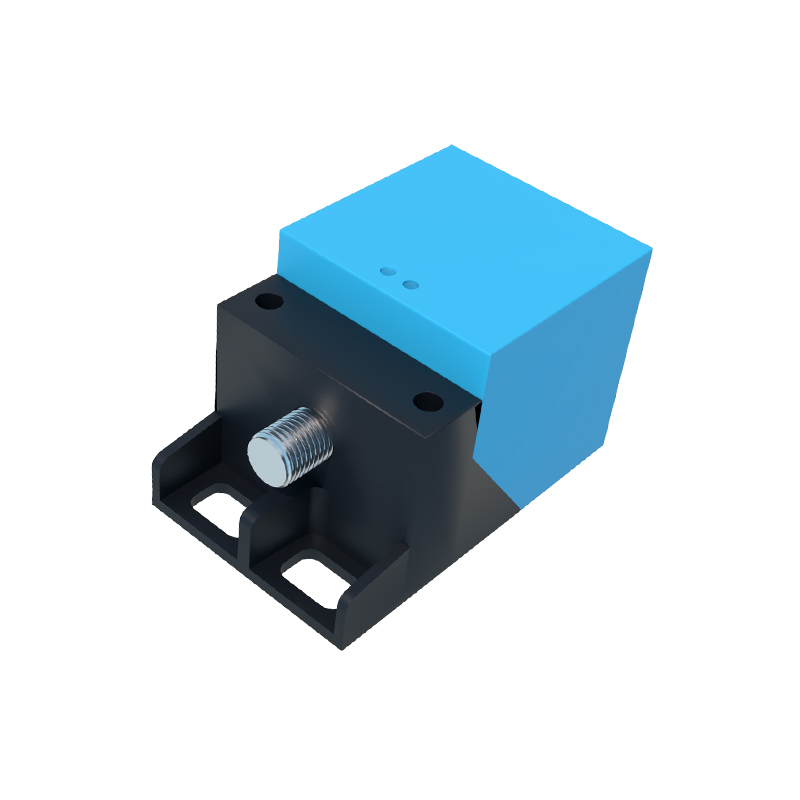
The primary benefit of ultra-compact proximity sensors is their ability to fit into extremely tight spaces where traditional sensors cannot. This enables innovative product designs and more efficient machine layouts. Their small size and lightweight nature reduce inertia, making them suitable for high-speed applications on moving parts, such as robotic end-effectors or high-speed pick-and-place arms. Furthermore, their minimal footprint allows for higher sensor density on a single assembly line, enabling more precise and granular monitoring of processes. The reduced material usage also often translates to a lower unit cost and less weight on moving assemblies.
Performance and Sensing Capabilities
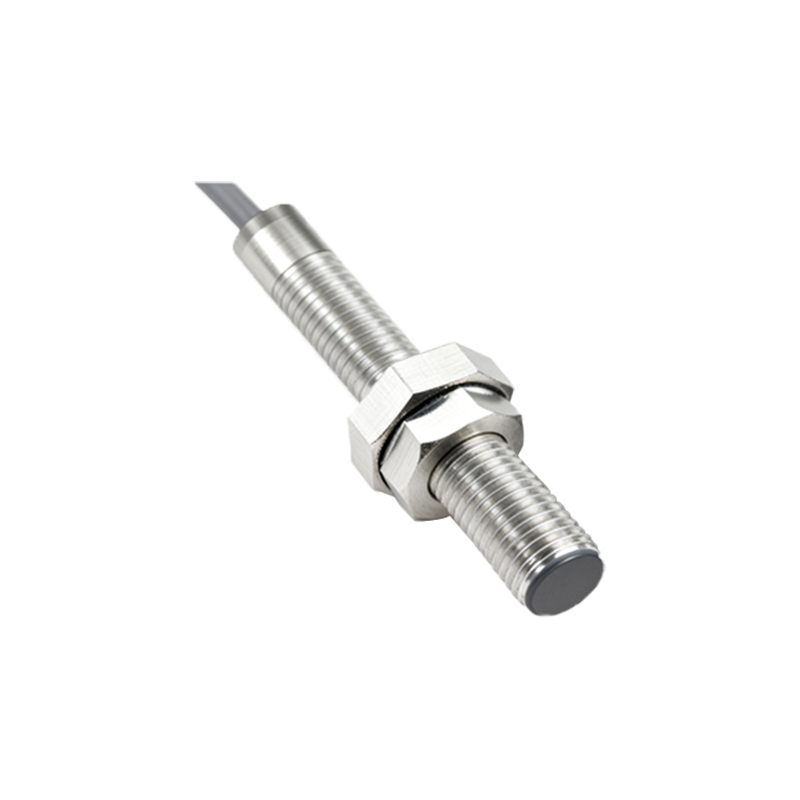
Despite their size, modern ultra-compact sensors offer impressive performance. Advancements in IC design and coil technology have allowed for reasonable sensing distances, often sufficient for their intended micro-applications. They are available in all standard sensing principles: inductive (for metals), capacitive (for non-metals and liquids), and photoelectric. Switching frequencies are typically high, supporting fast-paced automation tasks. However, it is crucial to consult datasheets, as the sensing range is inherently limited by the physical size of the active face compared to larger counterparts.
Electrical and Environmental Considerations
Electrical integration is generally straightforward, with many models offering plug-in connectors or pre-wired cables in sub-miniature formats. They operate on standard DC voltages (10-30V DC) and provide both PNP (sourcing) and NPN (sinking) output configurations. A significant consideration is environmental robustness. High-quality ultra-compact sensors are built with stainless-steel or nickel-plated brass housings and feature IP67 or higher ingress protection ratings, making them resistant to dust, coolants, and temporary immersion. This durability is critical for their survival in harsh industrial environments.
Potential Limitations and Trade-offs
The choice to use an ultra-compact sensor involves understanding its trade-offs. The most obvious limitation is the reduced sensing distance. Engineers cannot expect an M5 sensor to match the range of an M18 model. This requires more precise mechanical positioning during installation. Additionally, the tiny housing offers less surface area for heat dissipation, which can be a factor in high-temperature ambient conditions. The marking and indication LEDs are also very small, which can make visual diagnostics slightly more challenging from a distance.
Ideal Application Scenarios
These sensors excel in specific, space-constrained applications. They are ideal for semiconductor manufacturing equipment, miniature assembly robots, compact packaging machinery, and inside consumer devices like printers and automated dispensers. They are perfect for tasks such as verifying the presence of tiny components (e.g., microchips, watch gears), monitoring wafer handling, or acting as end-position detectors in miniature linear actuators. Their use is dictated by a strict spatial requirement that overrides the need for a longer sensing range.
Selection and Implementation Best Practices
Successful implementation starts with a clear requirement analysis: define the available space, required sensing distance, target material, switching frequency, and environmental conditions. Always cross-reference the sensor's "rated operating distance" with the application's mechanical tolerances. Pay close attention to mounting considerations; recessed mounting can sometimes increase effective sensing distance and provide mechanical protection. Ensure the electrical load (e.g., PLC input, relay) is compatible with the sensor's output current capacity, which may be lower than larger sensors.
Conclusion: A Powerful Tool for Specific Challenges
In conclusion, ultra-compact proximity sensors are unequivocally "good" and highly valuable components within the engineering toolkit. They are not a universal replacement for standard-sized sensors but represent a specialized solution for modern design challenges centered on miniaturization and precision. Their performance is more than adequate for their designated roles, offering reliability, speed, and durability in a minuscule package. For engineers facing spatial constraints without compromising on the benefits of non-contact sensing, these sensors are not just good—they are often the optimal and enabling choice.