Introduction to Micro Level Proximity Switch Sensors
In the intricate world of industrial automation and fluid management, the demand for precise, reliable, and compact sensing solutions is ever-growing. Micro level proximity switch sensors have emerged as a critical component in this landscape. These sophisticated devices are engineered to detect the presence or absence of a liquid at a specific point without any physical contact with the medium itself. Utilizing advanced technologies such as capacitive, inductive, or optical sensing principles, they offer a non-intrusive method for monitoring fluid levels in tanks, reservoirs, and pipelines. Their miniature size belies their significant impact, enabling integration into space-constrained applications where traditional float switches or larger sensors are impractical. The core function revolves around generating a discrete electrical signal—typically a change in output state from open to closed or vice versa—when the liquid reaches or falls away from the sensing face. This binary signal is the fundamental language for programmable logic controllers (PLCs) and other control systems, triggering actions like pump activation, valve operation, or alarm initiation.
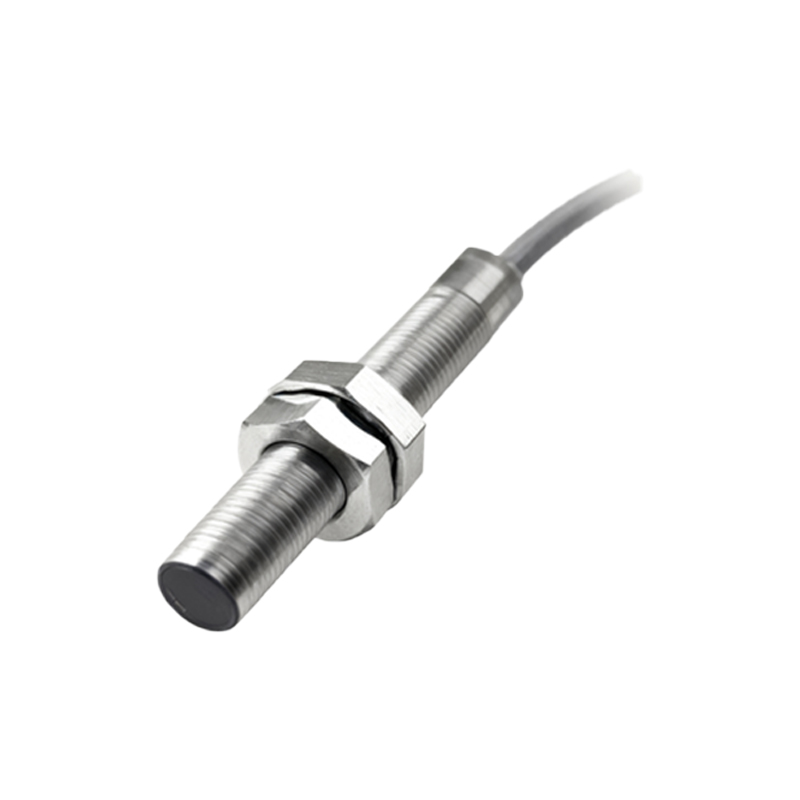
Core Operating Principles and Technologies
The operational efficacy of a micro level proximity switch hinges on its underlying sensing technology. Capacitive sensors are among the most common for liquid detection. They function by creating an electrostatic field from the active face of the sensor. When a liquid medium, which has a different dielectric constant than air, enters this field, it causes a measurable change in the sensor's capacitance. This change is processed internally, leading to a switching action. Inductive sensors, while more typical for metal detection, can be used with conductive liquids. They generate an electromagnetic field, and the eddy currents induced in a conductive fluid alter the oscillation amplitude, triggering the switch. Optical micro sensors employ infrared light; the presence of liquid alters the light's refraction or absorption at the prism tip, which is detected by a receiver. Each technology has its domain: capacitive for most liquids including non-conductive ones, inductive for conductive fluids, and optical for clear liquids where high precision and resistance to adhesion are needed. The choice depends on the liquid's properties, required sensing distance, container material, and environmental conditions.
Key Design Features and Material Considerations
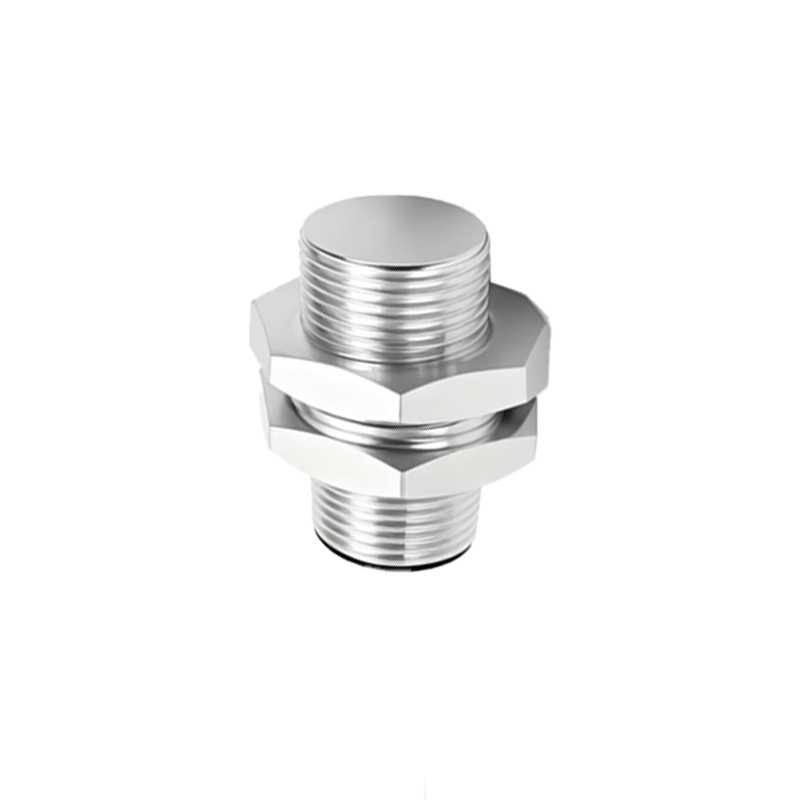
The design of a micro level proximity switch is a testament to precision engineering. A primary feature is its exceptionally compact housing, often with threaded barrels as small as M5 or M8, allowing installation in very tight spaces. The sensing face is typically flush or non-flush mountable, with flush-mount versions being ideal for avoiding material buildup in viscous fluids. Housing materials are carefully selected for chemical compatibility and durability. Stainless steel variants, such as 316L, offer excellent resistance to corrosion, high pressures, and temperatures, making them suitable for harsh environments in chemical, pharmaceutical, or food and beverage industries. For less aggressive applications, robust plastics like PPS or PVDF are used. The electrical connection is usually via a pre-wired cable or a compact connector, ensuring reliable signal transmission. Many modern sensors incorporate LED status indicators for easy visual confirmation of operation and switching state. Furthermore, advanced models feature adjustable sensitivity potentiometers, allowing fine-tuning on-site to compensate for different liquid dielectrics or to ignore container wall effects, thereby minimizing false triggers.
Critical Application Areas Across Industries
The versatility of micro level proximity switches makes them indispensable across a diverse range of sectors. In the automotive industry, they monitor coolant, brake fluid, and washer fluid levels, ensuring vehicle systems operate safely. Pharmaceutical and biotechnology applications rely on their sterile, non-contact operation to monitor levels in bioreactors, buffer solution tanks, and purified water systems without risk of contamination. The food and beverage sector utilizes sensors with food-grade certifications to control filling levels, prevent overflows in mixing vats, and ensure precise dosing. In machine tooling and manufacturing, they safeguard equipment by monitoring lubricant and hydraulic oil levels, preventing catastrophic failures due to low fluid. Water treatment plants employ them for chemical dosing control and pump dry-run protection. Their role in leak detection systems is also paramount, where they are positioned in containment basins to trigger alarms at the first sign of a spill, enhancing environmental safety and regulatory compliance.
Advantages Over Traditional Level Sensing Methods
Compared to conventional mechanical float switches or conductive probes, micro proximity switches offer a compelling set of advantages. Their non-contact nature eliminates issues of mechanical wear, sticking, or fouling that plague moving parts in contact with fluids, leading to significantly longer service life and reduced maintenance. The absence of moving parts also makes them highly resistant to shock and vibration. Their rapid response time, often in the millisecond range, allows for real-time control that is unattainable with slower mechanical devices. The solid-state design ensures high repeatability and switching accuracy,