Introduction to Proximity Sensor Interference
In the complex electromagnetic environment of modern industrial facilities, proximity sensors face numerous challenges. Electrical noise from variable frequency drives, welding equipment, and high-power motors can generate false signals, leading to machine downtime, production errors, and safety hazards. Anti-interference proximity sensors are specifically engineered to maintain reliable operation amidst this electrical chaos. Their design philosophy centers on signal integrity, ensuring that the detection of a metallic or non-metallic target is accurate and repeatable, regardless of the surrounding electromagnetic conditions. This reliability forms the bedrock of automated processes in sectors ranging from automotive manufacturing to material handling.
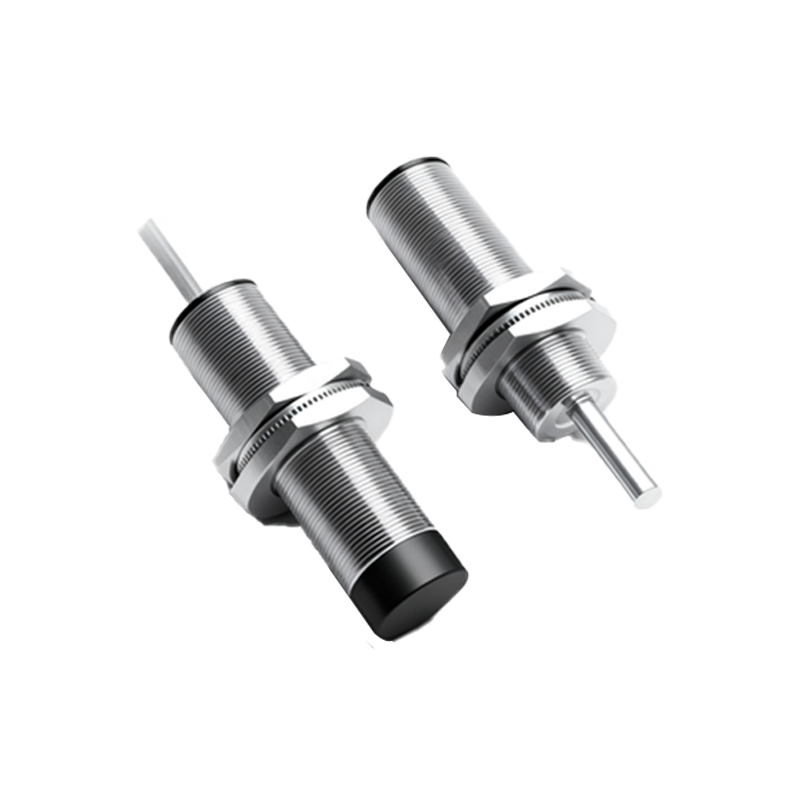
Advanced Shielding and Housing Design
A primary physical defense against interference is robust shielding. High-quality anti-interference sensors employ a multi-layered approach. The sensing coil is typically encapsulated within a ferrite core, which concentrates the electromagnetic field. This assembly is then surrounded by a copper or aluminum shield, often referred to as a Faraday cage, which attenuates external electromagnetic fields. The external housing is usually constructed from stainless steel (e.g., V2A or V4A grades) or nickel-plated brass, providing both mechanical durability and additional shielding. This comprehensive shielding prevents external RF noise from penetrating the sensitive oscillator circuit, ensuring the sensor only reacts to the intended target.
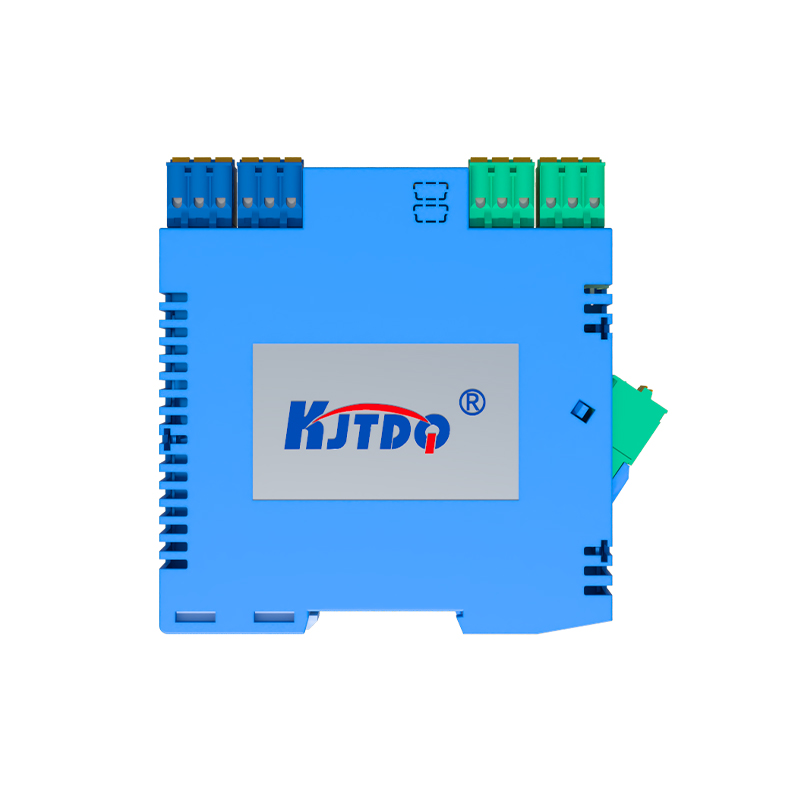
Stable Oscillator Circuit and Frequency Modulation
The heart of an inductive proximity sensor is its oscillator circuit. In anti-interference models, this circuit is designed for exceptional stability. Engineers utilize high-quality components with low temperature coefficients and implement symmetrical circuit layouts to minimize drift. Furthermore, many advanced sensors incorporate frequency modulation or hopping technology. Instead of operating at a single fixed frequency, the sensor's oscillator rapidly switches between several predefined frequencies. If interference is detected on one frequency, the sensor seamlessly continues operation on another, clean frequency. This dynamic adaptation makes the sensor highly resilient to narrowband noise sources that could easily disrupt a fixed-frequency device.
High Noise Immunity Ratio and Signal Processing
A critical specification for these sensors is the Noise Immunity Ratio (NIR), often expressed in volts per meter (V/m) for radiated noise or as a voltage level for conducted noise. Premium anti-interference sensors boast NIR ratings exceeding 30 V/m at frequencies up to 1 GHz. This is achieved through sophisticated internal signal processing. After the raw signal is received, it passes through high-grade filters—such as band-pass or low-pass filters—that strip away frequency components outside the expected signal range. Digital models then use microprocessor-based algorithms to analyze the signal pattern, distinguishing between a genuine target pulse and a random noise spike, further enhancing decision accuracy.
Output Stage Protection and Wiring Considerations
Interference can also enter through sensor output lines or power supply lines. Therefore, the output stage is fortified with protective components. Transistor outputs are safeguarded by built-in protection diodes against reverse polarity and surge voltages. For sensors with analog or IO-Link outputs, advanced clamping circuits are standard. Proper installation remains paramount. Using shielded cables, with the shield properly grounded at the control cabinet end (not at the sensor), is essential. Keeping sensor cables separate from high-voltage power lines and routing them in dedicated cable trays or conduits significantly reduces induced noise, complementing the sensor's internal defenses.
Compliance with International EMC Standards
Reliable anti-interference performance is not merely claimed but validated through rigorous testing. Leading manufacturers design their sensors to comply with stringent international Electromagnetic Compatibility (EMC) standards. Key standards include IEC 60947-5-2 for industrial proximity sensors, which defines test procedures for electrostatic discharge (ESD), radiated RF immunity, and burst immunity. Compliance with these standards, often certified by independent bodies, provides a verifiable benchmark for the sensor's ability to function correctly in its intended electromagnetic environment without causing unacceptable interference to other equipment.
Application-Specific Design Variants
The need for anti-interference capabilities has led to specialized sensor variants. For welding environments, sensors feature extended shielding and often a white housing to reflect heat, withstanding both the intense electromagnetic noise of arc welding and spatter. In CNC machining centers, flush-mountable sensors with high noise immunity prevent false triggers from metal chips and coolant. For mobile equipment, sensors are designed to withstand the broad-spectrum noise from generators and two-way radios. This application-focused design ensures the core anti-interference technology is optimized for the specific challenges of each use case.
Conclusion: Ensuring System-Wide Reliability
The selection of an anti-interference proximity sensor is a strategic investment in system uptime and product quality. By integrating advanced shielding, stable frequency-managed oscillators, intelligent signal processing, and