In the realm of industrial automation, consumer electronics, and automotive systems, the demand for accurate, non-contact detection has never been higher. At the heart of this technological evolution lies the Proximity Sensor PAMi, a sophisticated device engineered to deliver unparalleled performance in sensing presence, position, and motion without physical contact. This article delves into the core functionalities, operational principles, and diverse applications of the PAMi series, highlighting its role as a critical component in modern engineering solutions.
The fundamental principle behind the Proximity Sensor PAMi is based on electromagnetic field disturbance or capacitive sensing. Unlike mechanical switches, these sensors generate an electromagnetic field. When a target object enters this predefined field, it causes a detectable change in the field's oscillation amplitude or capacitance. The sensor's internal circuitry processes this change and triggers a solid-state output signal. This contactless operation is the key to its exceptional durability, as it eliminates wear and tear associated with mechanical components, leading to a significantly longer operational lifespan and reduced maintenance costs.
One of the defining characteristics of the PAMi series is its high precision and repeatability. These sensors can detect objects with remarkable consistency, even in challenging environments involving dust, oil, or moisture. This robustness makes them indispensable in manufacturing assembly lines, where they are used for precise part positioning, counting, and end-of-travel detection. For instance, in automotive painting robots, PAMi sensors ensure the robotic arm maintains a precise and constant distance from the vehicle body, guaranteeing a uniform paint application.
Beyond heavy industry, the Proximity Sensor PAMi finds extensive application in the consumer electronics sector. Its compact design and low power consumption make it ideal for integration into smartphones, tablets, and laptops. Here, it primarily functions to detect the presence of a user's face during a call, automatically turning off the display to prevent accidental screen touches and conserve battery life. This seamless user experience is a direct result of the sensor's fast response time and reliability.
The automotive industry leverages the PAMi sensor for enhanced safety and convenience features. They are embedded in vehicle doors for hands-free trunk opening, in dashboards for touchless control interfaces, and in advanced driver-assistance systems (ADAS) for object detection. Their ability to function reliably across a wide temperature range and under vibrational stress is crucial for meeting stringent automotive quality standards.
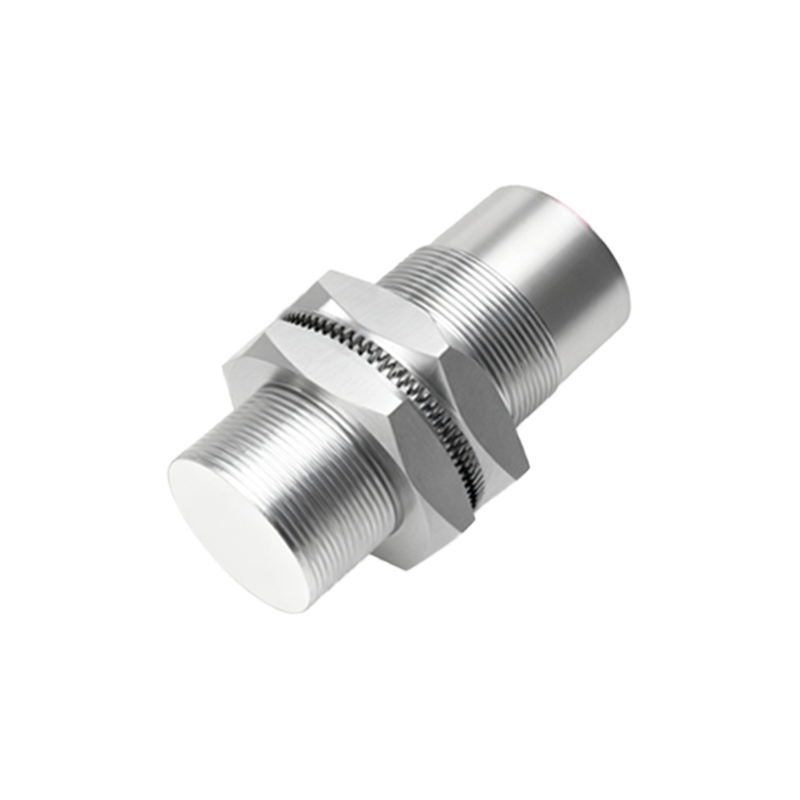
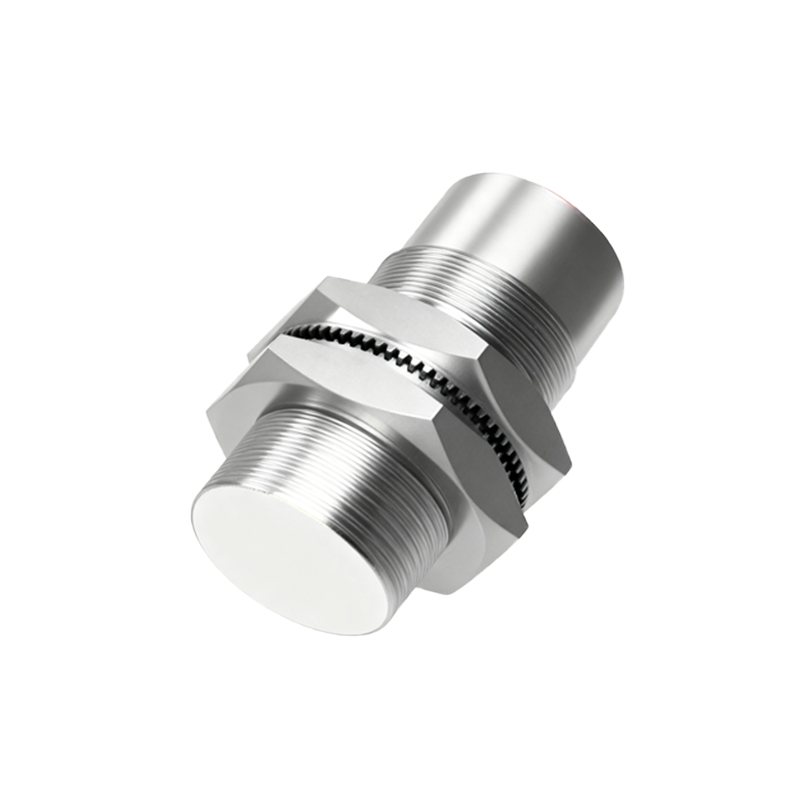
When selecting a Proximity Sensor PAMi for a specific application, several technical parameters require careful consideration. Sensing range, which varies from a few millimeters to several tens of millimeters, must match the operational distance. The output type, whether NPN or PNP, sinking or sourcing, must be compatible with the connected controller, such as a PLC. Furthermore, factors like housing material (often nickel-plated brass or stainless steel for durability), switching frequency, and protection ratings (e.g., IP67 for dust and water resistance) are vital for ensuring performance in the intended environment.
Installation and alignment are straightforward yet critical for optimal performance. Proper mounting, ensuring the correct orientation and a stable environment free from electrical noise from other high-power equipment, guarantees the sensor operates at its specified sensing range without false triggers. Regular functional checks are recommended as part of a preventive maintenance schedule to ensure long-term system integrity.
In conclusion, the Proximity Sensor PAMi represents a convergence of reliability, precision, and versatility. Its contactless sensing technology provides a foundational solution for automation, safety, and user interface enhancement across multiple sectors. As industries continue to push towards greater efficiency and smarter interactions, the role of dependable components like the PAMi sensor will only become more central, driving innovation and operational excellence in an increasingly automated world.