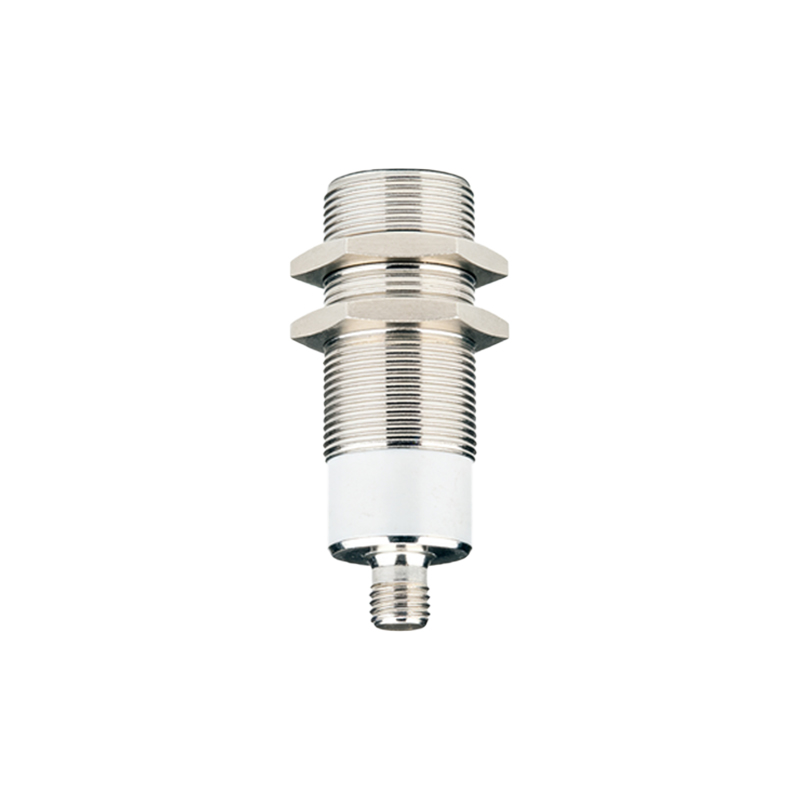
In the world of industrial automation, robotics, and smart devices, the need for reliable, space-saving, and versatile sensing solutions is ever-growing. Among the array of available technologies, flat proximity sensors have emerged as a critical component, offering unique advantages that traditional cylindrical sensors cannot match. These low-profile devices are redefining how machines interact with their environment by providing precise, non-contact detection in the most constrained spaces.
At their core, flat proximity sensors operate on the same fundamental principles as their standard counterparts, primarily inductive, capacitive, or magnetic sensing. Inductive flat sensors, the most common type, generate an electromagnetic field. When a metallic object enters this field, it causes a change in oscillation, which the sensor detects, triggering an output signal. What sets them apart is their form factor. By utilizing a flat, often rectangular or square housing with a minimal mounting height, they can be installed in applications where clearance is extremely limited. This design is not merely an aesthetic choice; it is a functional necessity for modern, compact machinery and consumer electronics.
The applications for these slim-line sensors are vast and varied. In automated assembly lines, they are mounted directly onto the thin faces of robotic grippers or within narrow conveyor guides to detect the presence of components without adding bulk. The packaging industry relies on them to count thin items like sheets of metal, plastic, or paper where a standard sensor would protrude too far. Within the realm of consumer electronics, such as smartphones and laptops, ultra-flat sensors enable features like screen-off detection during calls or precise lid-open/close sensing. Their ability to be mounted flush with a surface also makes them less susceptible to physical damage from accidental impacts or scraping, a common risk in harsh industrial environments.
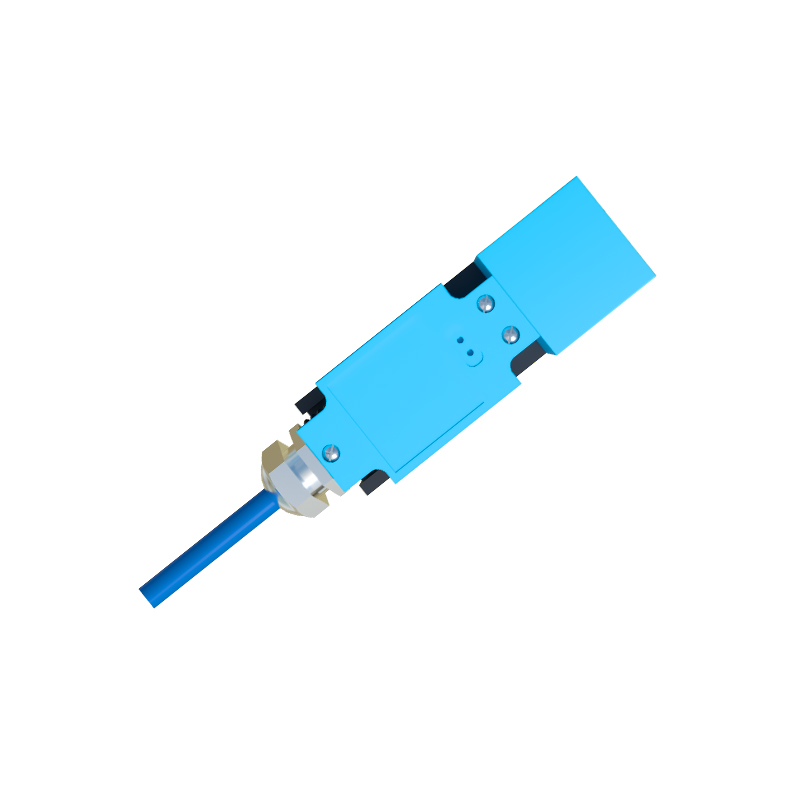
Selecting the right flat proximity sensor requires careful consideration of several technical parameters. Sensing distance, often shorter than cylindrical models due to the smaller coil diameter, is a primary factor. The material of the target object is equally crucial; inductive sensors only detect metals, with different detection ranges for steel, aluminum, and copper. For non-metallic targets like liquids, plastics, or wood, a capacitive flat sensor is the appropriate choice. Environmental factors cannot be overlooked. Many industrial-grade flat sensors boast high ingress protection ratings, such as IP67 or IP69K, making them resistant to dust, water jets, and even temporary immersion. This robustness ensures reliable operation in washdown areas of food and beverage plants or in outdoor machinery.
The integration of flat proximity sensors into digital networks represents the next evolutionary step. Modern versions come equipped with IO-Link communication, a point-to-point serial connection that goes beyond simple switching. IO-Link transforms a standard sensor into a smart device capable of transmitting detailed parameter data—such as exact switching distance, temperature readings, and operating hours—to a central controller. This enables predictive maintenance, where potential issues can be identified before they cause downtime, and allows for remote configuration and scaling of sensing parameters, drastically reducing machine setup and changeover times.
Looking ahead, the trajectory for flat proximity sensor technology points toward even greater miniaturization, enhanced sensing ranges from smaller footprints, and increased intelligence. As the Internet of Things continues to expand, these sensors will become more integral, providing the essential data points from the physical world that drive efficiency and innovation. Their unassuming, flat design belies their significant role as the silent, reliable sentinels of automation, enabling smarter, safer, and more compact machine designs across every sector of industry and technology.