In the world of automation and smart technology, proximity sensors are the silent, unseen guardians. They detect the presence or absence of an object within a specific range without any physical contact. This fundamental capability makes them indispensable across countless industries, from manufacturing and automotive to consumer electronics and security systems. Unlike traditional mechanical switches, proximity sensors offer reliability, long operational life, and high-speed response, all while operating in harsh environments where dirt, oil, or moisture might render other sensing methods useless.
The core principle behind most proximity sensors is the generation of an electromagnetic field or a beam of radiation. When a target object enters this field, it causes a detectable change in the field's state. This change is then converted by the sensor's circuitry into an electrical output signal, typically a simple ON/OFF switch. The specific technology used defines the sensor's characteristics, including its sensing range, the type of materials it can detect, and its environmental robustness.
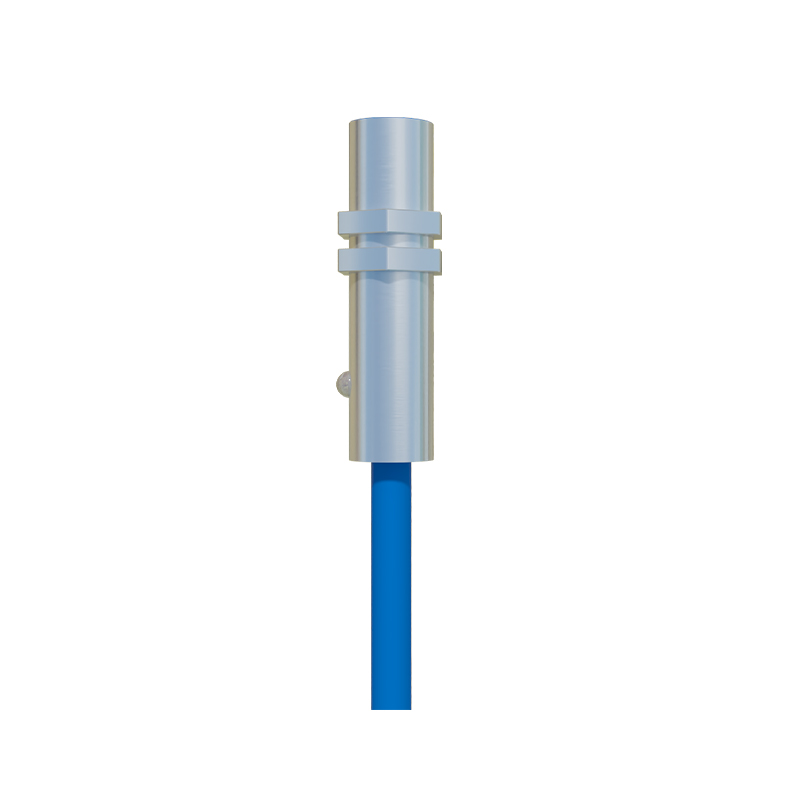
Several primary types of proximity sensors dominate the market, each with distinct advantages. Inductive proximity sensors are among the most common. They generate an oscillating electromagnetic field and are exclusively used to detect metallic objects, primarily ferrous metals like iron and steel. When a metal target enters the field, it induces eddy currents that dampen the oscillation, triggering the sensor's output. These sensors are prized for their durability and precision in industrial settings for tasks like counting metal parts or determining the position of a machine component.
Capacitive proximity sensors, on the other hand, can detect both metallic and non-metallic materials, including liquids, plastics, wood, and granules. They function by generating an electrostatic field. Any object with a dielectric constant different from air will alter the capacitance of this field, triggering detection. This makes them ideal for applications like liquid level sensing in tanks, detecting filled packages on a conveyor belt, or touch-sensitive interfaces.
Ultrasonic proximity sensors operate on a principle similar to sonar. They emit high-frequency sound waves and measure the time it takes for the echo to return after bouncing off a target object. By calculating this time-of-flight, they can determine not only presence but also distance. These sensors are effective for detecting objects of virtually any material, shape, or color, and are commonly used in parking assistance systems, collision avoidance, and bulk level monitoring.
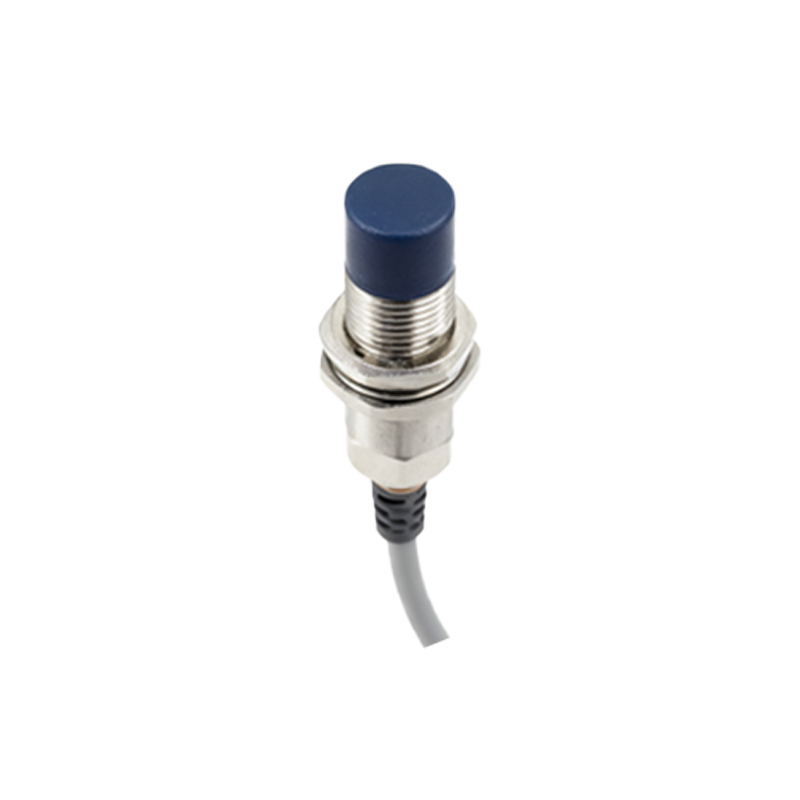
Photoelectric sensors use light, typically infrared, to detect objects. They consist of an emitter and a receiver. In a through-beam setup, the object breaks the light beam between separate units. In a retro-reflective mode, the object breaks the beam reflected from a reflector. In a diffuse (proximity) mode, the sensor detects light reflected directly off the object itself. Photoelectric sensors offer very long sensing ranges and are excellent for detecting small objects or clear materials.
The applications for these sensors are vast and growing. On a factory floor, inductive sensors ensure robotic arms pick up metal components correctly. Capacitive sensors verify the fill level of bottles before capping. In the automotive industry, ultrasonic sensors enable parking aids and blind-spot monitoring. In a modern smartphone, a miniature infrared proximity sensor turns off the screen during a call to save power and prevent accidental touches. In building automation, they control lighting by sensing occupancy, and in security, they can trigger alarms for unauthorized entry.
Selecting the right proximity sensor requires careful consideration of several factors. The nature of the target material is paramount—metal, plastic, liquid, or something else. The required sensing distance, or range, must be specified. Environmental conditions like temperature extremes, potential washdowns, or exposure to chemicals will dictate the sensor's housing and ingress protection (IP) rating. Finally, the required output type, such as a digital PNP/NPN signal or an analog 4-20mA output, must match the control system's input.
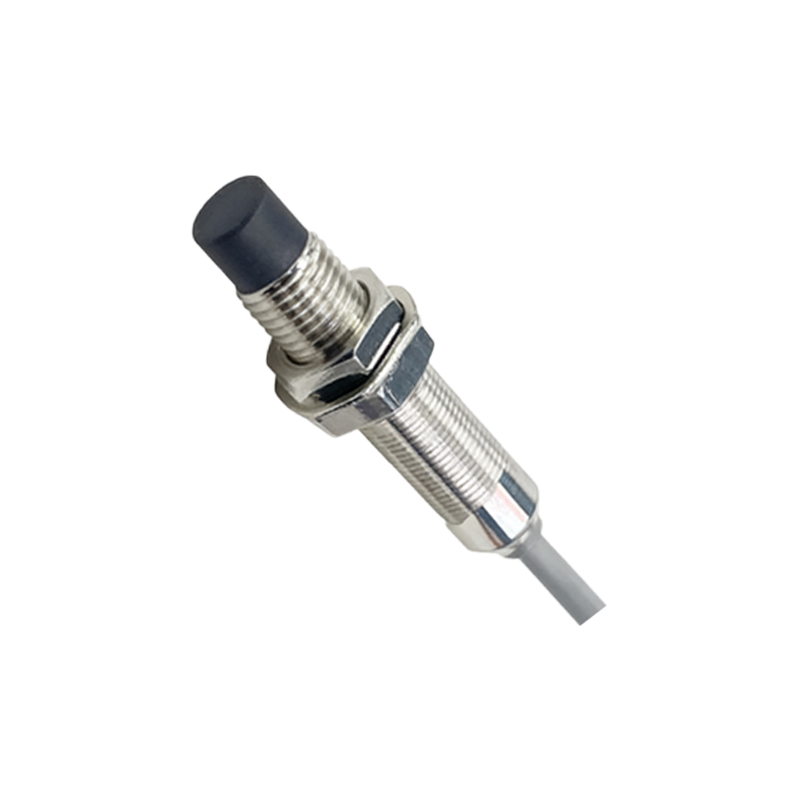
As technology advances, proximity sensors are becoming smarter, smaller, and more integrated. The rise of the Industrial Internet of Things (IIoT) sees sensors equipped with digital communication protocols like IO-Link, providing not just a detection signal but also diagnostic data about their own health and performance. This predictive maintenance capability reduces downtime and increases overall system efficiency. From enabling precise industrial robotics to making everyday devices more intuitive, proximity sensors continue to be a foundational technology, bridging the physical and digital worlds with silent, reliable efficiency.