In the quest for healthier indoor environments, air purifiers have become a common household appliance. However, not all purifiers are created equal. The latest innovation transforming this market is the integration of laser-based particle sensors. This technology moves beyond simple fan-and-filter systems, introducing a new level of intelligence and precision to air purification.
Traditional air purifiers often rely on basic sensors or timers to operate. You might set them on a schedule or hope they react to changes in air quality. The problem is that these methods are imprecise. A timer runs regardless of the actual pollution level, wasting energy when the air is clean and potentially underperforming when it's not. Basic sensors can be slow to react and may not accurately detect the full spectrum of airborne contaminants, especially the most dangerous fine particles.
This is where laser sensor technology creates a paradigm shift. At its core, a laser particle sensor works by projecting a concentrated beam of light into a small detection chamber. As air is drawn through this chamber, microscopic particles like dust, pollen, pet dander, and smoke pass through the laser beam. These particles scatter the light, and a highly sensitive photodetector measures this scattering. Sophisticated algorithms then analyze the scattered light patterns to determine not just the presence of particles, but their concentration and even approximate size distribution in real-time.
The advantages of this approach are profound. First and foremost is accuracy. Laser sensors can detect particles as small as 0.3 microns (PM0.3) and even smaller, capturing ultrafine particles that other sensors miss. This includes pollutants like viruses, bacteria, and combustion byproducts, which pose significant health risks. The real-time data is exceptionally precise, providing a clear, numerical picture of your indoor air quality, often displayed as a precise PM2.5 or PM10 reading on a device's screen or connected app.
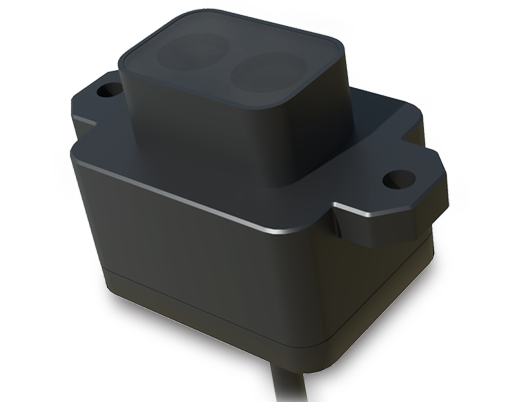
This precision enables true automation and efficiency. An air purifier equipped with a laser sensor doesn't guess; it knows. It can automatically ramp up its fan speed to maximum power the moment it detects a spike in particulate matter—perhaps from cooking, vacuuming, or outdoor pollution seeping in. Conversely, once the laser sensor confirms the air is clean, the unit can dial down to a quiet, energy-saving mode. This dynamic response ensures optimal air quality without unnecessary noise or power consumption, making the purifier both effective and economical to run.
For consumers, this translates to tangible benefits. There's no more guesswork about whether the device is working or if the air is truly clean. Visual feedback, through color-coded LED indicators or detailed app reports, provides peace of mind. It allows users to identify pollution sources in their home—seeing a direct correlation between activities like lighting a candle or dusting and the air quality reading. Furthermore, the data logging feature in many smart models helps track long-term air quality trends, which can be valuable for individuals with allergies, asthma, or other respiratory sensitivities.
When shopping for an air purifier with a laser sensor, it's important to look beyond the sensor itself. The sensor is the brain, but the filtration system is the brawn. The most effective units pair a high-quality laser sensor with a robust multi-stage filtration system. This typically includes a pre-filter for large debris, a true HEPA filter to capture 99.97% of particles down to 0.3 microns, and an activated carbon filter to adsorb gases, odors, and volatile organic compounds (VOCs). The synergy between the intelligent sensor and powerful filtration creates a complete, responsive air cleaning solution.

As technology advances, we are seeing these laser sensors become integrated into broader smart home ecosystems. Purifiers can now connect to Wi-Fi, allowing users to monitor and control air quality remotely via smartphone. Some can even work in concert with other devices, like smart thermostats or ventilation systems, to create a fully automated healthy home environment. The laser sensor provides the critical, reliable data that makes this automation possible.
In conclusion, the adoption of laser particle sensors represents a significant leap forward in air purification technology. It moves the category from a passive appliance to an active, intelligent guardian of indoor air. By providing accurate, real-time data and enabling automated, efficient operation, these devices offer a smarter, more effective way to ensure the air we breathe indoors is truly clean. For anyone prioritizing health, wellness, and modern convenience in their living space, an air purifier equipped with a laser sensor is an investment in a clearer, healthier future.