Introduction to Proximity Sensing Technology
Proximity sensors are fundamental components in modern industrial automation, serving as the "eyes" of machinery. These non-contact devices detect the presence or absence of an object within a specified sensing range without any physical contact. This capability is crucial for applications demanding high reliability, speed, and hygiene, such as in packaging, material handling, and assembly lines. Unlike mechanical limit switches, proximity sensors have no moving parts, leading to significantly longer operational life and reduced maintenance. They are designed to withstand harsh industrial environments, including exposure to dust, oil, and vibration, making them indispensable for ensuring seamless and efficient manufacturing processes.
Core Operating Principles
The operation of a proximity sensor hinges on the disturbance of an electromagnetic field or the emission and reception of a signal. The most common types are inductive, capacitive, and photoelectric sensors. Inductive proximity sensors generate an oscillating electromagnetic field from a coil. When a metallic object enters this field, it induces eddy currents on the object's surface, which dampens the oscillation. The sensor's internal circuit detects this amplitude change and triggers a solid-state output switch. This principle makes them ideal for detecting metals only. Capacitive sensors, conversely, can detect both metallic and non-metallic materials like plastic, wood, or liquids. They function by generating an electrostatic field. The presence of any object with a dielectric constant different from air alters the capacitance of the circuit, triggering the output.
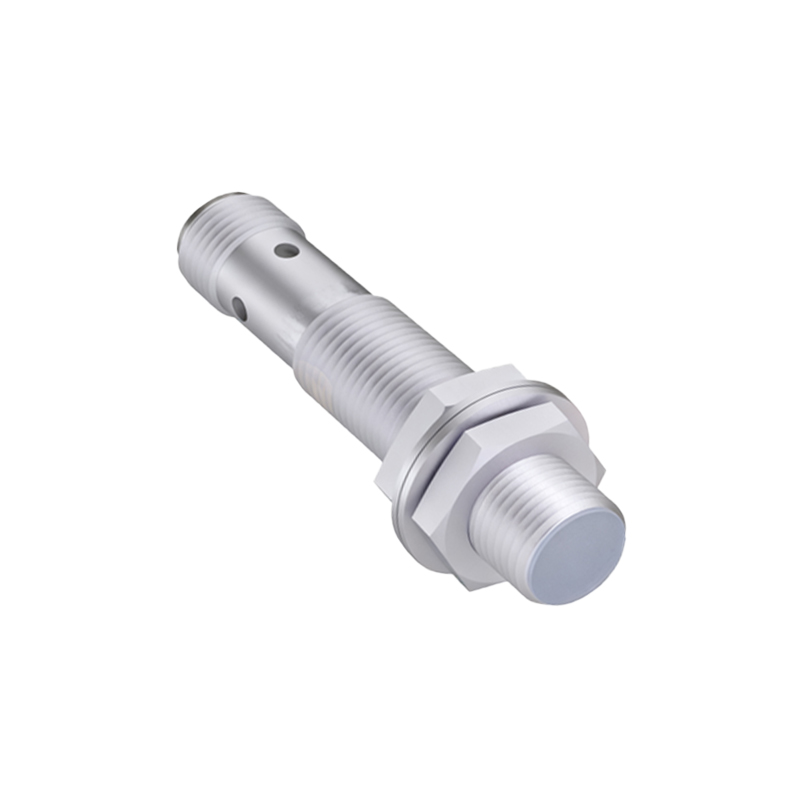
Inductive Sensor Detailed Functionality
An inductive proximity sensor consists of four main components: an oscillator coil, a demodulator, a trigger circuit, and an output switching device. The oscillator creates a high-frequency electromagnetic field at the sensing face. In the absence of a target, the oscillation amplitude is stable. As a ferrous or non-ferrous metal target approaches, it absorbs energy from the field, causing the oscillation amplitude to decrease. The demodulator converts this amplitude change into a DC voltage signal. This signal is then evaluated by the trigger circuit. Once the signal strength surpasses a predefined threshold—corresponding to the sensor's nominal sensing distance—the trigger activates the output switch, typically an NPN or PNP transistor. This provides a clean, bounce-free signal to the programmable logic controller (PLC) or other control system.
Capacitive Sensor Detailed Functionality
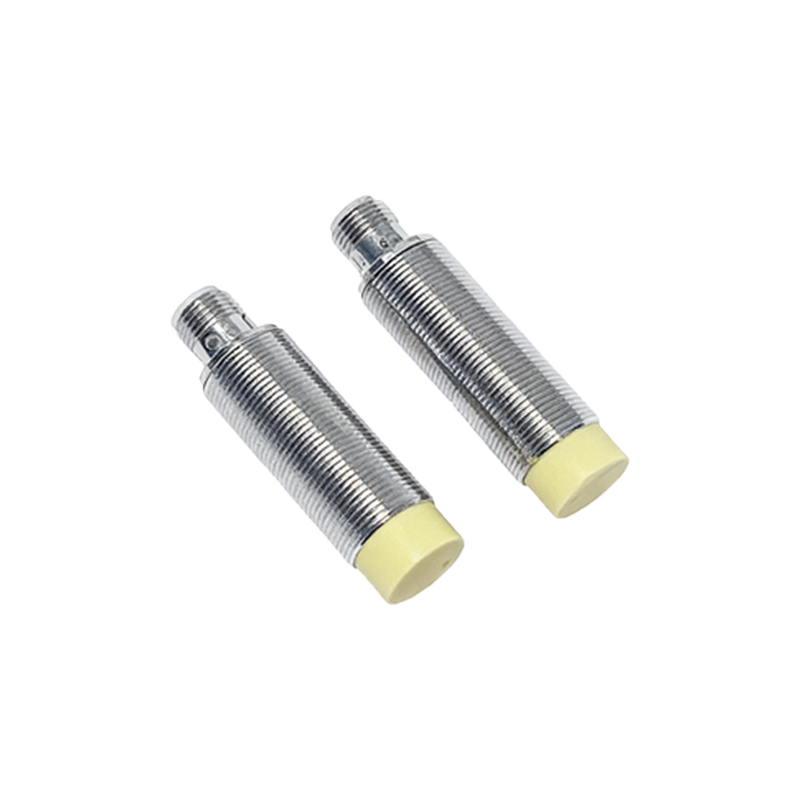
Capacitive proximity sensors operate by measuring changes in capacitance. The sensor's active face forms one plate of a capacitor, with the ground plane or the sensor housing acting as the other plate. The oscillator circuit is connected to this capacitive system. When no target is present, the capacitance is at a baseline level, and the oscillator is inactive. When any object enters the electrostatic field, it effectively becomes the dielectric, increasing the overall capacitance. This increase allows current to flow in the oscillator circuit, raising the amplitude of oscillation. Similar to the inductive type, this change is demodulated and evaluated. The output switches when the change meets the set threshold. A sensitivity adjustment potentiometer is often provided to fine-tune the sensor for different materials or to ignore interfering substances like background containers or conveyor belts.
Key Performance Characteristics
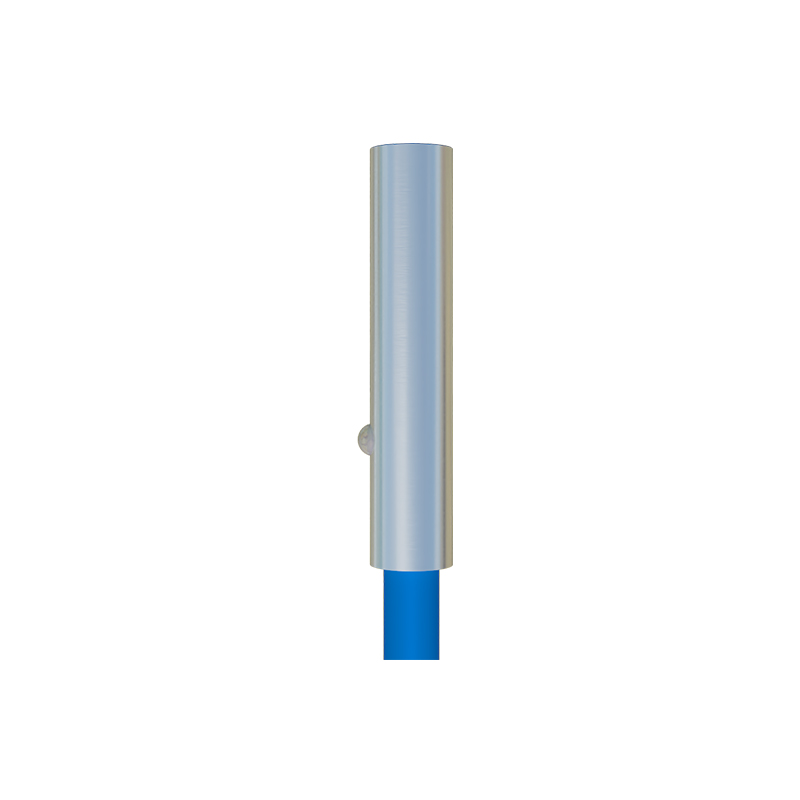
Understanding sensor specifications is vital for correct selection. The sensing distance, or nominal range, is the standard operating distance for which the sensor is calibrated, typically for a standard mild steel target for inductive types. The actual sensing distance can vary with target material, shape, and size. Hysteresis is a critical feature that prevents output chatter when a target is at the edge of the sensing range; it is the difference between the switch-on point (as the target approaches) and the switch-off point (as it moves away). Response frequency indicates how many detection cycles per second the sensor can handle, crucial for high-speed counting applications. Additionally, factors like housing material (e.g., nickel-plated brass or stainless steel), protection class (IP67/IP69K), and output configuration (NO/NC, 3-wire, 4-wire) must be considered based on the application environment and control interface requirements.
Application Examples in Automation
In practice, proximity sensors perform myriad tasks. On an automotive assembly line, inductive sensors verify the presence of engine blocks or detect the position of robotic arms. Capacitive sensors are used in bottling plants to monitor liquid levels in non-metallic containers or to detect filled vs. empty boxes on a conveyor. They are essential for end-of-travel detection on linear actuators, providing precise positional feedback. In high-speed packaging machinery, sensors count products, control sorting gates, and ensure correct label placement. Their non-contact nature prevents product damage and allows for detection of delicate or small items that would be impossible for mechanical switches to handle reliably. The robust design ensures continuous operation