Limit proximity sensors are fundamental components in modern industrial automation and machinery. These non-contact devices detect the presence or absence of an object within a specified sensing range, providing a crucial electrical signal to control systems. Unlike mechanical limit switches that require physical contact, proximity sensors operate using various physical principles, offering higher reliability, faster response times, and longer service life due to the absence of moving parts that can wear out.
The core function of a limit proximity sensor is to determine when a moving part of a machine has reached a predefined position or "limit." This signal is then used to stop, start, or change the operation of a sequence. For instance, in an automated assembly line, a sensor might detect when a robotic arm has fully retracted, triggering the next step in the process. In elevator systems, these sensors ensure the cab stops precisely level with each floor.
Several primary technologies dominate the market, each with distinct advantages. Inductive proximity sensors are among the most common. They generate an electromagnetic field and detect the eddy current losses caused when a metallic target enters this field. They are robust, cost-effective, and ideal for detecting ferrous and non-ferrous metals, making them perfect for machine tools, material handling, and automotive manufacturing. However, they are generally ineffective for non-metallic materials.
Capacitive proximity sensors, on the other hand, can detect both metallic and non-metallic materials, including liquids, plastics, wood, and granules. They work by measuring changes in capacitance between the sensor and the target. This versatility makes them suitable for applications like level detection in tanks, material handling of packaging, and presence detection of glass or plastic containers.
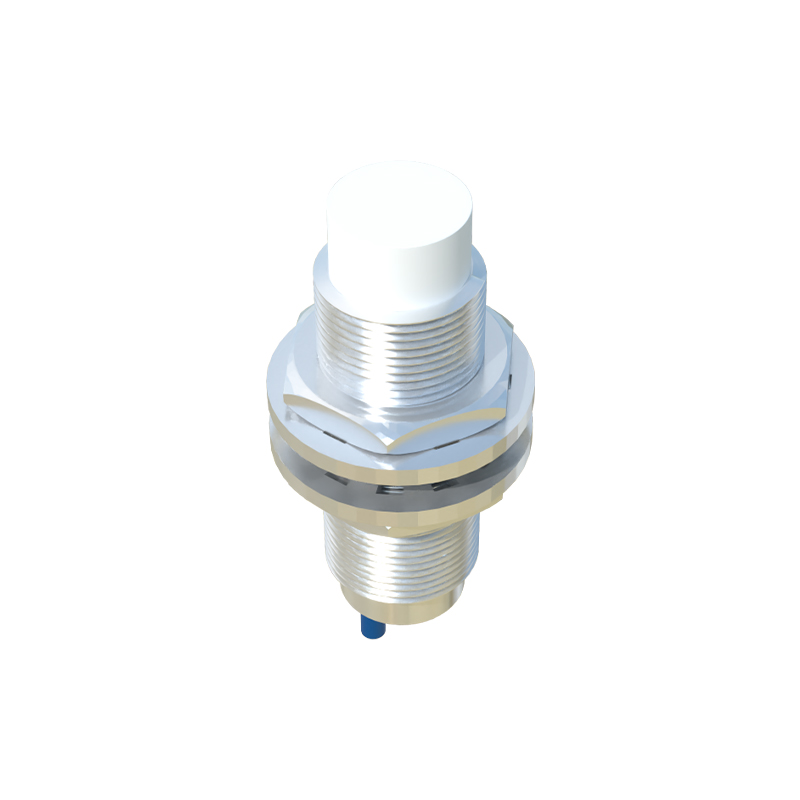
For longer sensing ranges and the need to detect any object regardless of material, photoelectric sensors are often employed. These use a light beam (visible red, infrared, or laser) and detect interruptions or reflections of that beam. They are excellent for detecting small objects, transparent materials, or for use over distances of several meters. Common types include through-beam, retro-reflective, and diffuse reflective models.
Ultrasonic sensors use sound waves beyond human hearing to measure distance or detect presence. They are highly effective in challenging environments with dust, smoke, or vapors where optical sensors might fail. Typical applications include bulk material level sensing, distance measurement, and detecting clear or complex-shaped objects.
Selecting the right limit proximity sensor requires careful consideration of several key parameters. The sensing range, or the maximum distance at which the sensor can reliably detect a standard target, is paramount. The target material directly influences the choice of technology—metal, plastic, liquid, etc. Environmental conditions such as temperature extremes, humidity, washdown requirements (IP rating), and exposure to chemicals or vibration must be accounted for. The output type is also critical; sensors can provide digital signals (PNP/NPN), analog signals (4-20mA, 0-10V), or IO-Link for smart communication. Finally, the physical housing style (barrel, rectangular, ring) and mounting method must suit the mechanical installation.
Installation and alignment are crucial for reliable operation. Sensors must be mounted securely to prevent vibration-induced false signals. Proper spacing between multiple sensors is necessary to prevent mutual interference, especially with inductive models. For photoelectric and ultrasonic sensors, ensuring a clear path and considering the target's surface properties (color, reflectivity) are essential steps.
The integration of Industry 4.0 and the Industrial Internet of Things (IIoT) is pushing the evolution of limit proximity sensors. Modern "smart" sensors come with integrated diagnostics, condition monitoring, and digital communication protocols like IO-Link. This allows for predictive maintenance, remote configuration, and the collection of valuable process data, moving beyond simple binary detection to becoming intelligent data points within a networked system.
In summary, limit proximity sensors are indispensable for safe, precise, and efficient automated operations. Understanding the different technologies, their strengths, limitations, and application requirements is key to designing robust and reliable control systems. From simple presence detection to complex positioning tasks, these sensors form the silent, reliable sentinels of the automated world.