In today's automated industrial landscape, Hall Effect proximity sensors are indispensable components. Their ability to detect the presence, absence, or position of a target object without physical contact makes them vital for machinery safety, precision control, and process automation. A common and critical question for engineers, procurement specialists, and hobbyists alike is: "What is the price of a Hall Effect proximity sensor?" The answer is not a single figure but a spectrum influenced by a complex interplay of technical specifications, brand value, and market dynamics.
The core technology itself is a key cost driver. A basic, unipolar digital Hall sensor, which detects the presence of a single magnetic pole, is typically the most economical. These are often found in simple applications like door/window switches or speed sensing. In contrast, bipolar digital sensors, responding to both north and south poles, and omnipolar sensors (reacting to either pole) offer more flexibility at a slightly higher cost. The most significant price jump comes with linear Hall Effect sensors. These devices provide a continuous, analog voltage output proportional to magnetic field strength, enabling precise measurement of position or displacement. Their complex internal circuitry and calibration requirements make them considerably more expensive than their digital counterparts.
Performance parameters directly correlate with price. Sensing range is a primary factor. A sensor with a standard 5mm range will cost less than one rated for 15mm or 20mm. Similarly, the required output configuration plays a role. Sensors with a simple NPN or PNP transistor output are standard. Those with push-pull outputs, analog current (4-20mA), or integrated IO-Link digital communication for Industry 4.0 connectivity command premium prices due to added functionality and intelligence. Environmental protection, indicated by the IP (Ingress Protection) rating, also affects cost. A sensor with an IP67 rating (dust-tight and waterproof up to 1m) is more costly to manufacture than one with IP65 or lower, as it requires more robust housing and sealing.
Brand reputation and supply chain positioning are enormous influencers. Established global brands like Pepperl+Fuchs, Sick, Balluff, and Omron are synonymous with high reliability, extensive R&D, global technical support, and long-term availability. This premium service and assurance are reflected in their prices, which can be 30% to 100% higher than generic or regional brands. These brands often target critical applications in automotive, pharmaceutical, or food and beverage industries where sensor failure is not an option. On the other hand, numerous manufacturers, particularly from Asia, offer functionally equivalent sensors at highly competitive prices. These are popular in cost-sensitive applications, prototyping, and consumer electronics. The trade-off often involves less comprehensive documentation, shorter warranty periods, and potential variability in batch-to-batch consistency.
Purchase volume is perhaps the most straightforward commercial factor. Unit prices for a single sensor purchased from a distributor are the highest. Significant discounts apply for OEM (Original Equipment Manufacturer) volumes, often involving direct contracts with the manufacturer for hundreds or thousands of pieces. The packaging also matters; sensors supplied on tape-and-reel for automated assembly lines might have different pricing than those sold individually in bags.
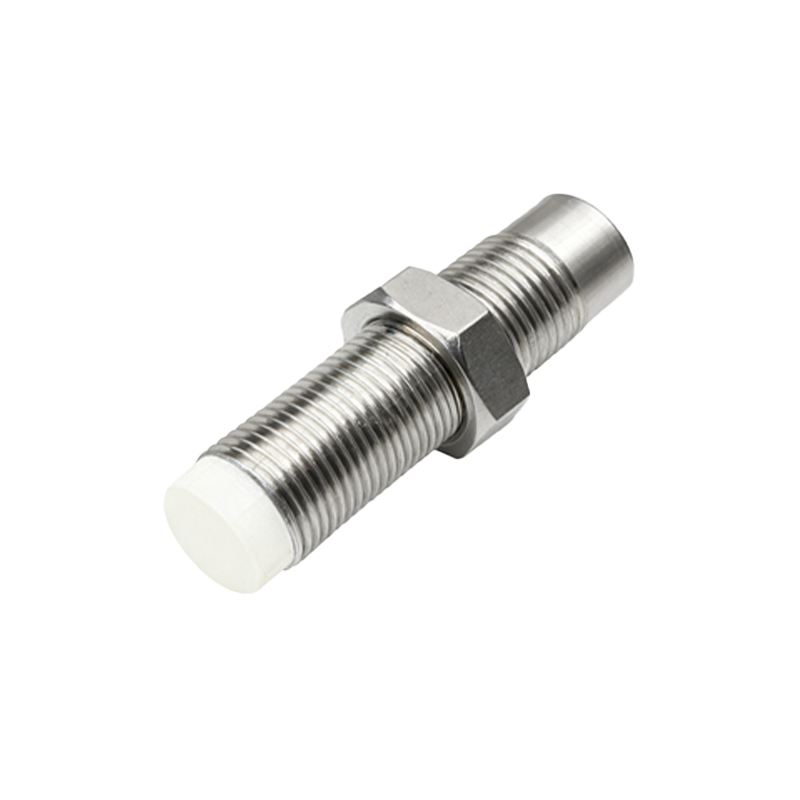
As of the current market, price ranges can be broadly categorized. A basic, unbranded digital Hall proximity sensor can be sourced online for as low as $2 to $5 per unit in single quantities. Mid-range sensors from reputable industrial brands typically fall between $15 and $50 each. High-performance linear sensors, or those with specialized housings (e.g., stainless steel for washdown environments), advanced diagnostics, and communication protocols, can easily range from $60 to over $200 per unit.
Therefore, when evaluating the "Hall Effect proximity sensor price," it is imperative to define the application requirements first. Key questions include: What is the required sensing distance? Is digital on/off signaling sufficient, or is analog precision needed? What are the environmental conditions (temperature, moisture, chemicals)? What output interface is compatible with the controller? Once specifications are locked, comparing offerings from 2-3 reputable suppliers or distributors based on total cost of ownership—which includes price, reliability, lead time, and support—is the most strategic approach. Ultimately, the optimal sensor is not merely the cheapest but the one that delivers the required performance and durability at a justifiable cost for its specific operational life cycle.