In the realm of modern electronics and automation, light sensors have evolved from simple components to sophisticated systems integral to countless devices. Among these, the technology often referred to as "Light Sensor 6" represents a significant leap forward. This discussion delves into the core principles, advancements, and practical uses of this advanced sensing technology, aiming to provide a clear understanding for engineers, hobbyists, and industry professionals alike.
At its heart, a light sensor detects the presence, intensity, or wavelength of light, converting this optical information into an electrical signal. The progression to what we term here as the sixth generation or "Sensor 6" class is marked by several key enhancements. These sensors typically employ highly sensitive photodiodes or phototransistors made from advanced semiconductor materials like gallium arsenide or improved silicon compounds. This allows for exceptional performance across a broader spectrum, from ultraviolet through visible to infrared light, with minimal signal noise.
One of the defining characteristics of this advanced sensor category is its integration of digital signal processing directly on the chip. Unlike earlier analog sensors that required external circuitry for interpretation, Sensor 6 types often include an Analog-to-Digital Converter and a small microcontroller unit. This enables direct digital output, simplifying interface with modern microprocessors like Arduino, Raspberry Pi, or industrial PLCs. Communication protocols such as I2C or SPI are standard, allowing for easy daisy-chaining and network configuration in complex systems.
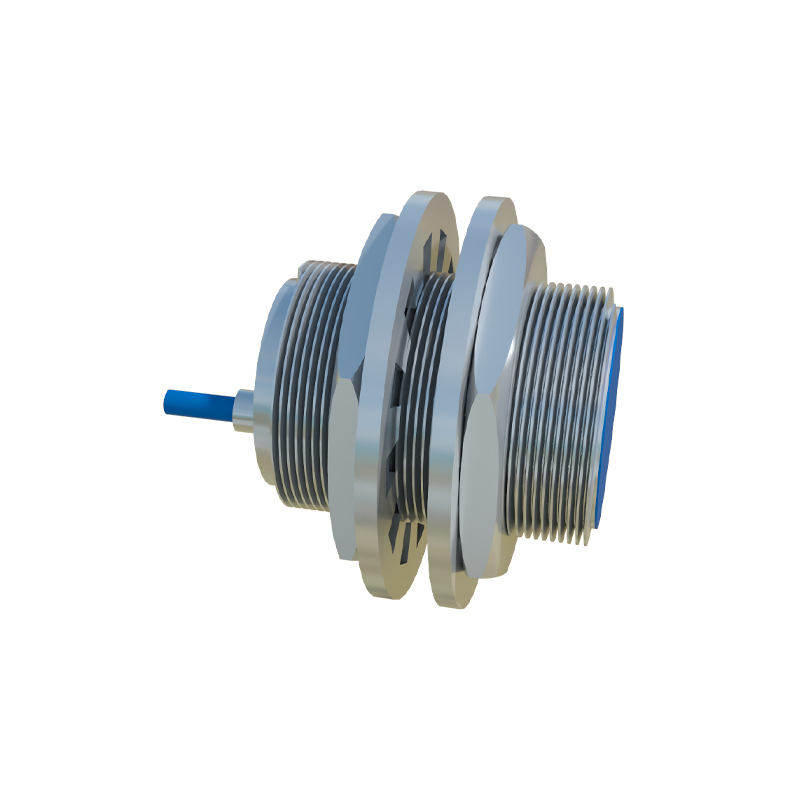
Precision and adaptability are hallmarks. Modern algorithms embedded within these sensors allow for real-time ambient light compensation. This means the sensor can automatically adjust its sensitivity in environments with fluctuating light conditions—from a dimly lit room to direct sunlight—providing stable and reliable data without manual recalibration. This feature is crucial for applications like automatic display brightness adjustment in smartphones and laptops, where user experience depends on seamless adaptation.
The application spectrum for this technology is vast and growing. In consumer electronics, it is the invisible force behind features like automatic screen dimming, proximity sensing during phone calls, and adaptive lighting in smart home systems. In the industrial sector, these sensors are pivotal for quality control on assembly lines, detecting imperfections in materials, monitoring alignment in printing processes, or ensuring precise fill levels in opaque containers. The automotive industry relies on them for automatic headlight control, rain-sensing wipers, and driver drowsiness detection systems that monitor ambient light on the driver's face.
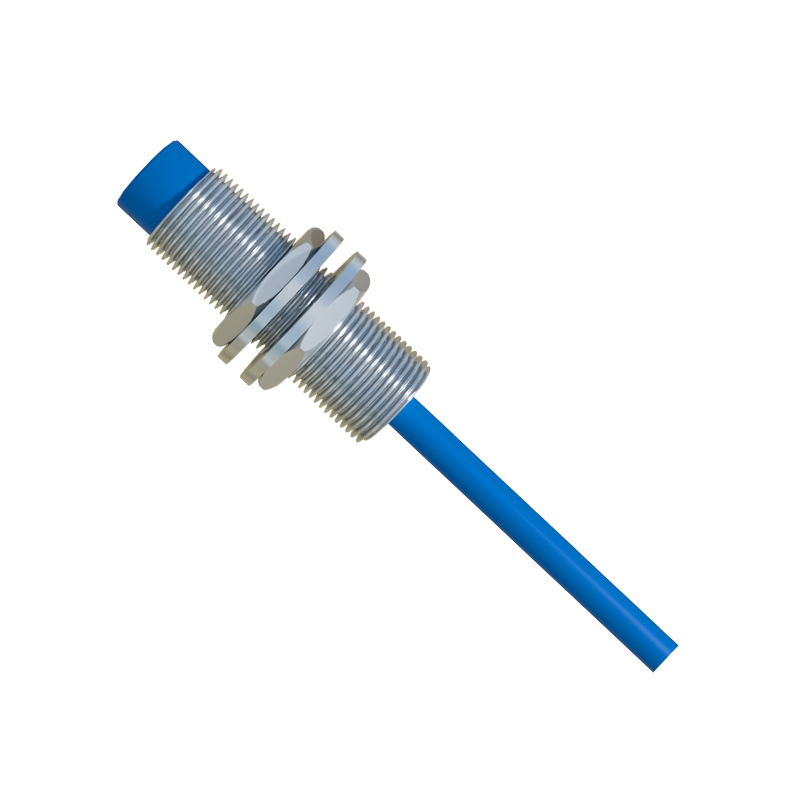
Furthermore, the rise of the Internet of Things and smart agriculture has opened new frontiers. Sensor 6 technology is deployed in environmental monitoring stations to measure sunlight for climate studies, in smart greenhouses to optimize plant growth by controlling artificial light cycles, and in wearable devices to track UV exposure for health monitoring. Its low power consumption, a critical improvement over previous generations, makes it ideal for battery-operated, remote, or always-on devices.
Installation and implementation have also been streamlined. Designers focus on creating compact surface-mount device packages that are easy to integrate into printed circuit boards. Comprehensive datasheets provide clear guidelines on optical aperture design, filtering options for specific wavelengths, and layout recommendations to minimize interference from other electronic noise. For developers, software libraries and sample code are widely available, significantly reducing development time and allowing teams to focus on application-specific innovation rather than low-level sensor communication.
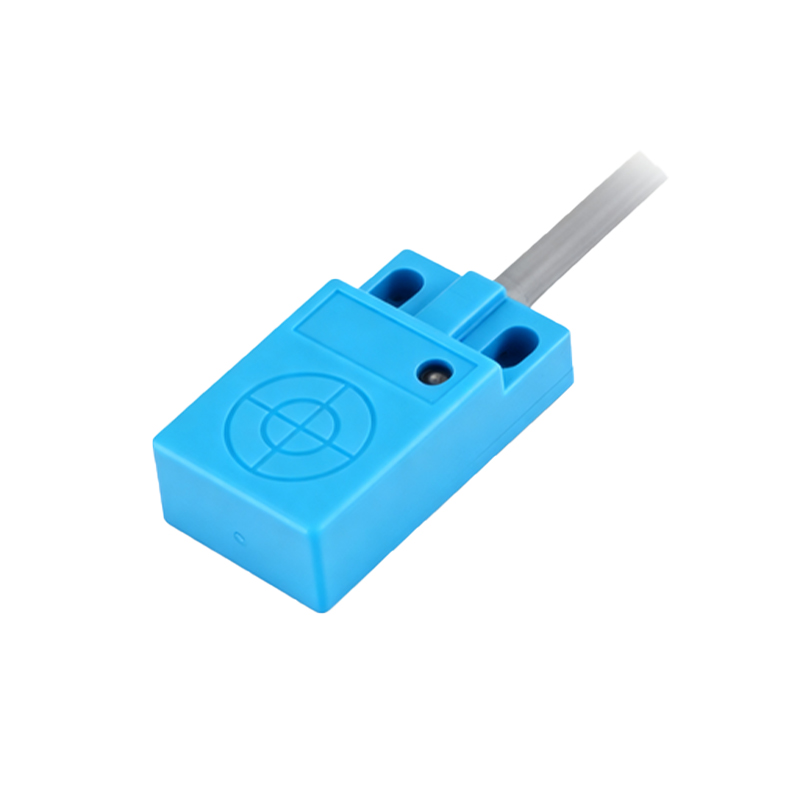
Looking ahead, the trajectory for light sensing technology points toward even greater miniaturization, enhanced multispectral capabilities (detecting specific colors or chemical signatures via light absorption), and deeper integration with artificial intelligence. Future iterations may predictively adjust environments based on user behavior patterns or contribute to more intuitive human-machine interfaces. The current "Sensor 6" class, therefore, is not an endpoint but a robust and capable platform enabling the next wave of innovation in how machines perceive and interact with the world through light.
In conclusion, the advanced light sensor technology discussed here stands as a testament to the continuous refinement in optoelectronics. By offering superior accuracy, digital convenience, and versatile application potential, it has cemented its role as a fundamental building block in the development of smarter, more responsive, and more efficient electronic systems across all sectors of technology.