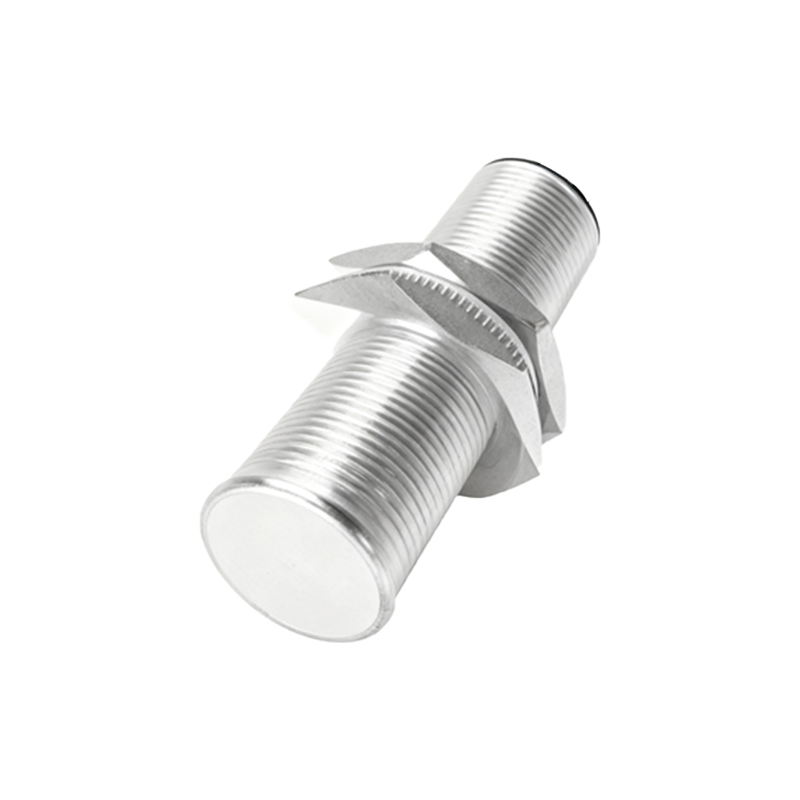
In the demanding environment of modern mining, safety and operational efficiency are non-negotiable priorities. Among the myriad of technologies deployed to meet these goals, proximity sensor switches stand out as fundamental, yet highly sophisticated, components. These devices, designed to detect the presence or absence of an object without physical contact, are the silent guardians and diligent coordinators of mining machinery and processes. Their role extends far beyond simple detection, forming the backbone of automated control systems that protect personnel, prevent equipment damage, and ensure seamless material handling.
The core principle behind a mining-grade proximity sensor switch is its ability to generate an electromagnetic field or a beam of radiation. When a target object, such as a piece of machinery, a vehicle, or even a mineral cart, enters this field, it causes a change in the sensor's signal. This change is then converted into an electrical output that triggers a switch—initiating, halting, or modifying an operation. In the context of mining, this technology is predominantly realized in two forms: inductive sensors for detecting metallic objects and capacitive sensors capable of detecting both metallic and non-metallic materials, such as ores or liquids. The robust housing of these sensors is a critical feature, engineered to withstand extreme conditions including shock, vibration, moisture, corrosive chemicals, and high levels of particulate dust that are endemic to underground and surface mining sites.
The applications within a mining operation are diverse and critical. On conveyor belt systems, proximity sensors monitor the movement and positioning of the belt, detecting slippage, misalignment, or blockages that could lead to costly downtime or hazardous situations. They are integral to the automation of drilling rigs and longwall shearers, ensuring precise positioning and movement within narrow tolerances. In vehicle and personnel safety systems, these sensors act as non-contact limit switches on large haul trucks, loaders, and shuttle cars, preventing collisions in blind spots or signaling when a vehicle is correctly positioned for loading. Furthermore, they are employed in monitoring the level of materials in silos or bins, providing essential data for inventory management and process control without the need for invasive mechanical floats.
The advantages of implementing robust proximity sensor switches are manifold. The foremost is enhanced safety. By enabling the automation of dangerous tasks and providing reliable detection around heavy machinery, they significantly reduce the risk of accidents involving mine personnel. Secondly, they contribute dramatically to operational efficiency. Continuous, real-time monitoring allows for predictive maintenance, preventing catastrophic equipment failures. Automated processes driven by sensor data minimize human error, optimize material flow, and increase overall throughput. Their non-contact nature also means there is no mechanical wear from repeated physical interaction, leading to lower maintenance requirements and longer service life even in abrasive environments.
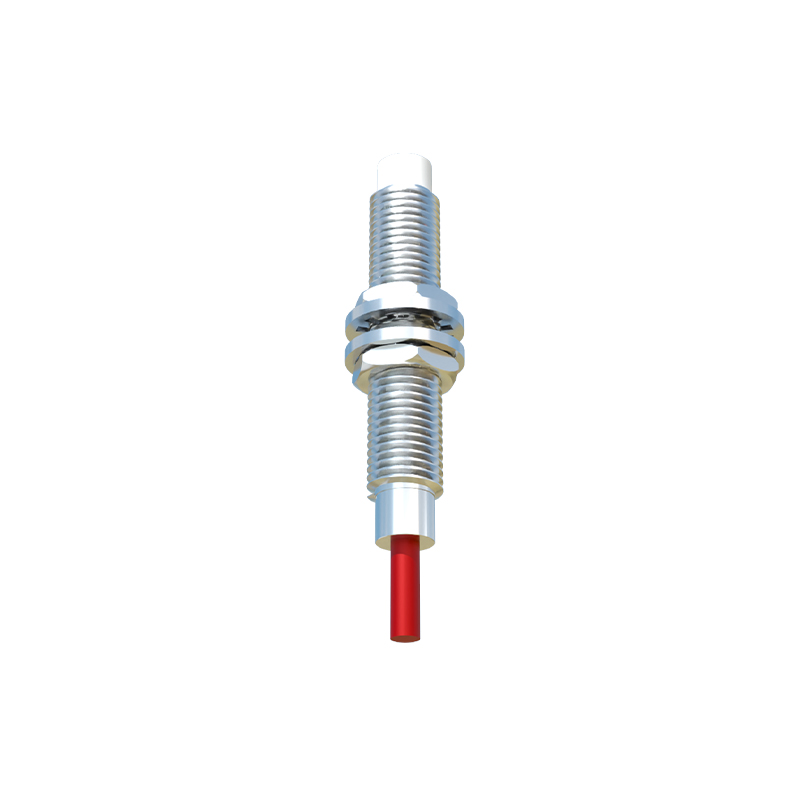
Selecting the right proximity sensor for a mining application requires careful consideration. Key specifications include the sensing range, the type of output required (e.g., NPN/PNP analog or digital), the supply voltage compatibility, and crucially, the environmental protection rating. Sensors with high Ingress Protection (IP) ratings (e.g., IP67, IP68) are standard for resistance to dust and water immersion. The housing material, often stainless steel or nickel-plated brass, must resist corrosion. Additionally, sensors with built-in diagnostics and LED status indicators are invaluable for quick troubleshooting in remote or difficult-to-access locations.
In conclusion, proximity sensor switches are indispensable in transforming mining into a safer, smarter, and more productive industry. They are not mere components but vital enablers of the automated and interconnected mine of the present and future. As mining technology evolves towards greater autonomy and data integration, the reliability and intelligence of these sensors will only become more central. Their silent operation belies their profound impact, making them a cornerstone of modern mining engineering and a key investment for any operation committed to excellence in safety and efficiency.